Why Audio Meetings Are Making a Comeback in 2026
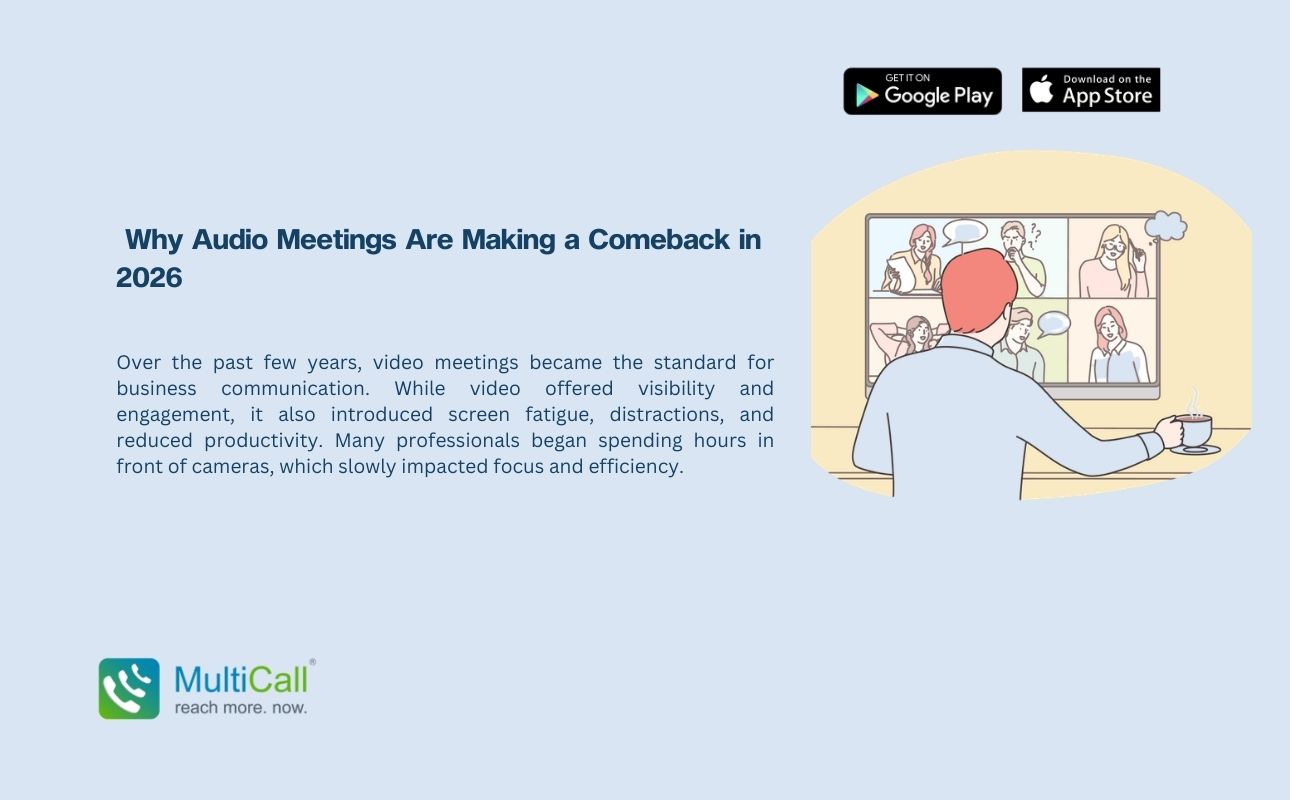
Over the past few years, video meetings became the standard for business communication. While video offered visibility and engagement, it also introduced screen fatigue, distractions, and reduced productivity. Many professionals began spending hours in front of cameras, which slowly impacted focus and efficiency.
In 2026, organizations are rediscovering the value of audio meetings. Without the pressure of constant visual presence, teams are finding it easier to concentrate on discussions rather than appearances. Audio meetings are proving to be more practical, less exhausting, and surprisingly more productive.
Focus Improves When Cameras Are Off
Video calls often demand attention on facial expressions, backgrounds, and presentation style. This shifts attention away from the actual conversation. Audio meetings remove those distractions.
When teams use an Efficient Group Calling Solutions platform, discussions become sharper and more purpose driven. Participants focus on ideas, strategies, and outcomes instead of visual cues. The simplicity of voice interaction encourages clearer thinking and direct communication.
A reliable Group Calling App allows teams to connect instantly without worrying about camera setups or bandwidth heavy video streaming. This convenience is one of the key reasons audio meetings are regaining popularity.
Reliability Matters More Than Visuals
One of the biggest challenges with video meetings is connectivity. Video consumes significant bandwidth and often suffers from freezing screens or audio lag. In contrast, High quality PSTN Calling provides consistent clarity and stability.
Enterprises are increasingly choosing High quality PSTN Calling because reliability has become a priority. When critical discussions are taking place, stable audio matters more than seeing faces on a screen. Clear sound ensures that every word is heard and understood without interruption.
As businesses return to hybrid and distributed work models, dependable voice communication is becoming essential again.
Security and Privacy Considerations
Another reason for the comeback of audio meetings is growing awareness around data security. Video platforms may expose more information than necessary. Audio meetings offer a more controlled communication environment.
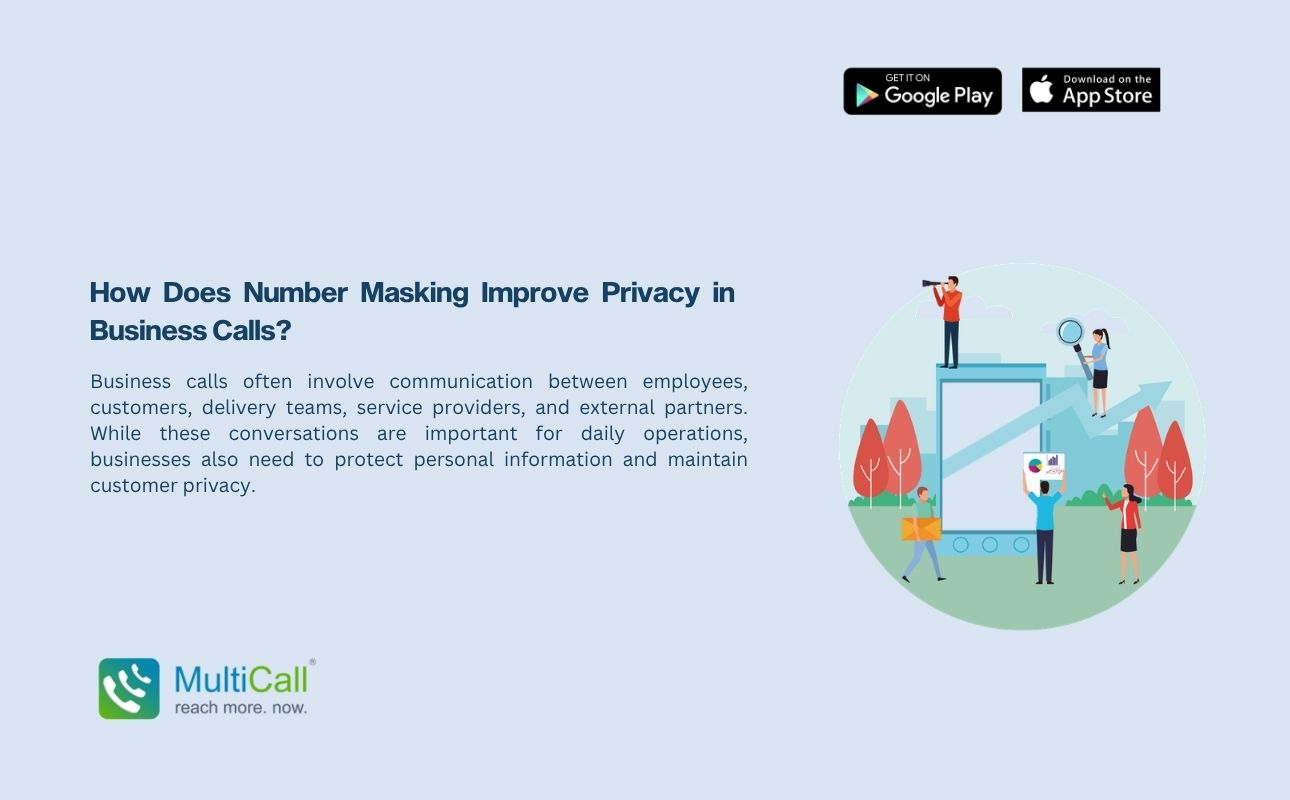
Features like Number Masking in Calls enhance privacy by protecting personal contact details during conversations. This is especially valuable for organizations managing client interactions, partner negotiations, or sensitive discussions.
Enterprises are also turning to Persistent Login Calling Apps that allow secure and continuous access without repeated authentication barriers. These systems simplify access while maintaining strong security standards.
Security, convenience, and reliability together are pushing organizations back toward voice focused communication.
Faster and More Efficient Collaboration
Audio meetings are often shorter and more efficient. Without visual distractions, teams stay focused on agenda items. Conversations tend to move quickly toward resolution.
A well designed Group Calling App supports quick connection and structured participation. Combined with Efficient Group Calling Solutions, organizations can manage discussions smoothly without unnecessary delays.
Persistent Login Calling Apps also reduce friction by allowing users to access meetings quickly without repeated sign in processes. This improves productivity, especially in environments where multiple calls are scheduled throughout the day.
The ease of scheduling and joining audio meetings is encouraging enterprises to rethink their communication strategies.
Simplicity Is Driving the Comeback
The return of audio meetings is not about replacing video entirely. It is about choosing the right tool for the right purpose. For strategy discussions, client negotiations, and operational updates, voice communication often provides better clarity and efficiency.
High quality PSTN Calling ensures consistent performance. Number Masking in Calls protects privacy. Persistent Login Calling Apps simplify access. Efficient Group Calling Solutions enable smooth collaboration.
In 2026, businesses are recognizing that effective communication does not always require a camera. Sometimes, the most powerful conversations happen when teams simply focus on listening and speaking clearly.
Audio meetings are making a comeback because they combine reliability, security, and efficiency in a way that modern enterprises value.
.