
multicall

Voice API for best Communication to enhance your business

In the digital age, integrating advanced communication tools into business operations is essential for efficiency and success. MultiCall offers a robust solution with its Voice API integration, enabling businesses to enhance their communication capabilities seamlessly. This feature-rich integration can revolutionize how organizations connect internally and externally, ensuring clarity, reliability, and ease of use.

What is Voice API Integration?

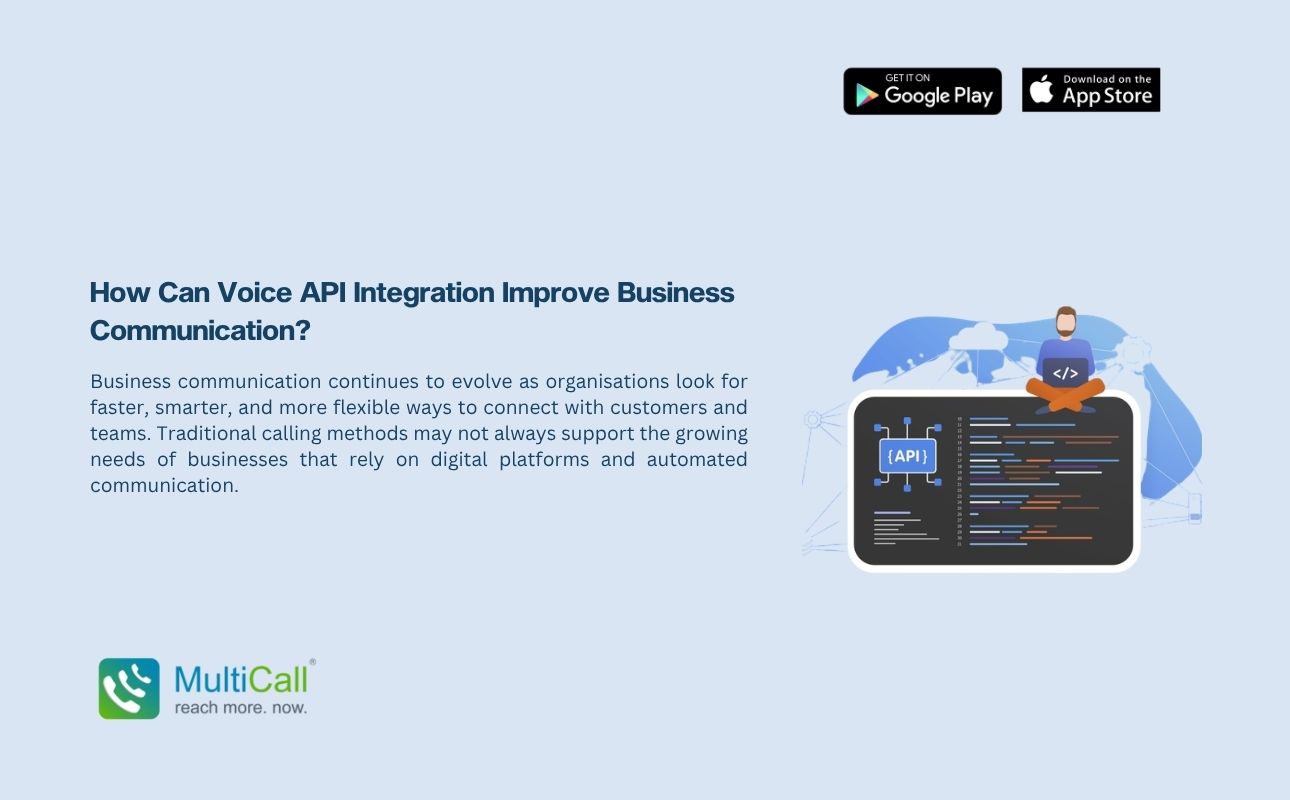
A Voice API (Application Programming Interface) allows developers to embed voice calling capabilities into applications, websites, or services. This technology facilitates various functionalities, such as making and receiving calls, handling call routing, and managing voice messages, all within the existing business infrastructure.

  1. Benefits of Integrating Voice API

    1. Enhanced Functionality: Integrate Voice APIto add sophisticated voice features to your applications without extensive backend development. This integration supports functionalities like automated call distribution, interactive voice response (IVR), and more.
    2. Improved Customer Experience: Offering high-quality PSTN callingand seamless call handling, MultiCall’s Voice API ensures customers have a smooth and satisfactory communication experience.

Cost-Efficiency: Implementing Voice API can be more cost-effective than traditional telephony solutions. It reduces the need for additional hardware and infrastructure, allowing businesses to manage their communication expenses better.

Scalability: Voice API integration is highly scalable, making it suitable for businesses of all sizes. Whether you need to handle a few calls or thousands, the system can easily scale to meet your needs.

Key Features of MultiCall’s Voice API

  • Number Masking: Ensures privacy by concealing personal numbers during calls.
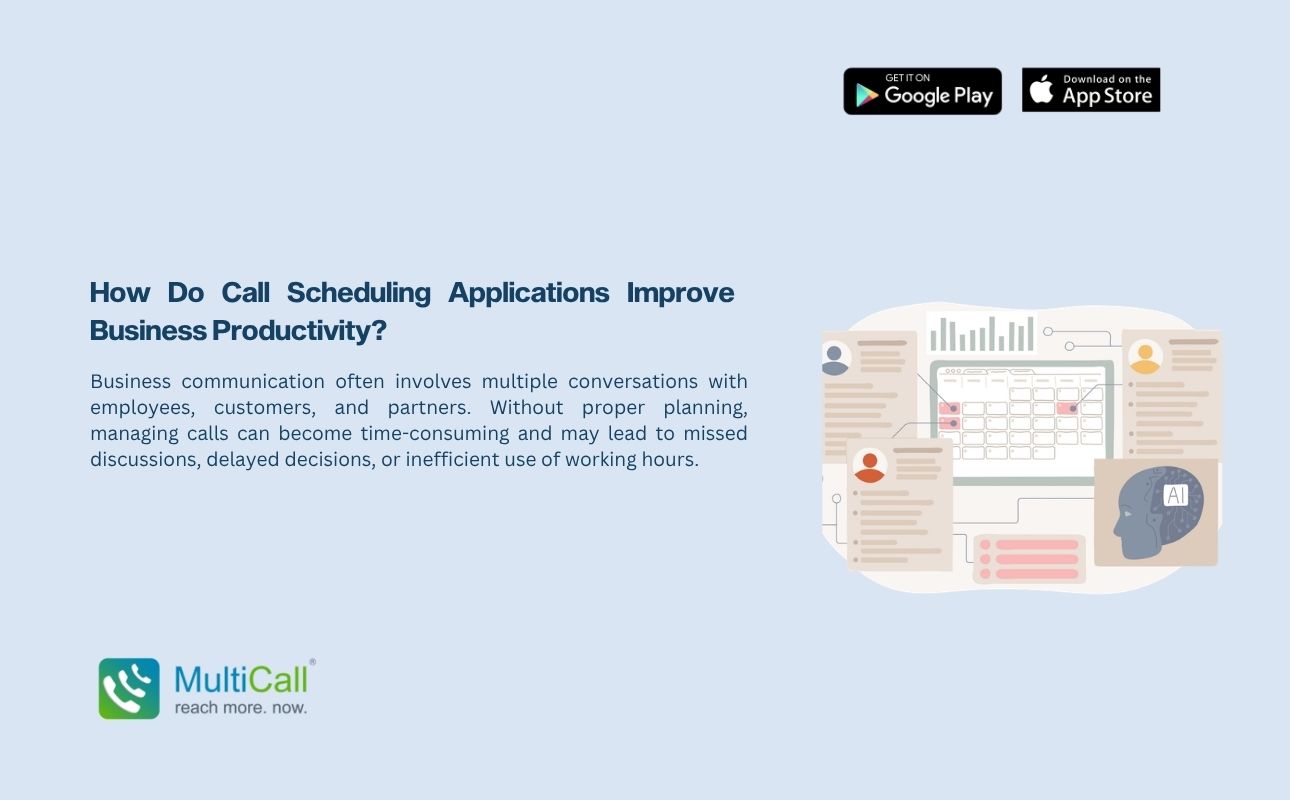
  • Call Scheduling Applications: Allows for easy scheduling of calls, enhancing organization and time management.
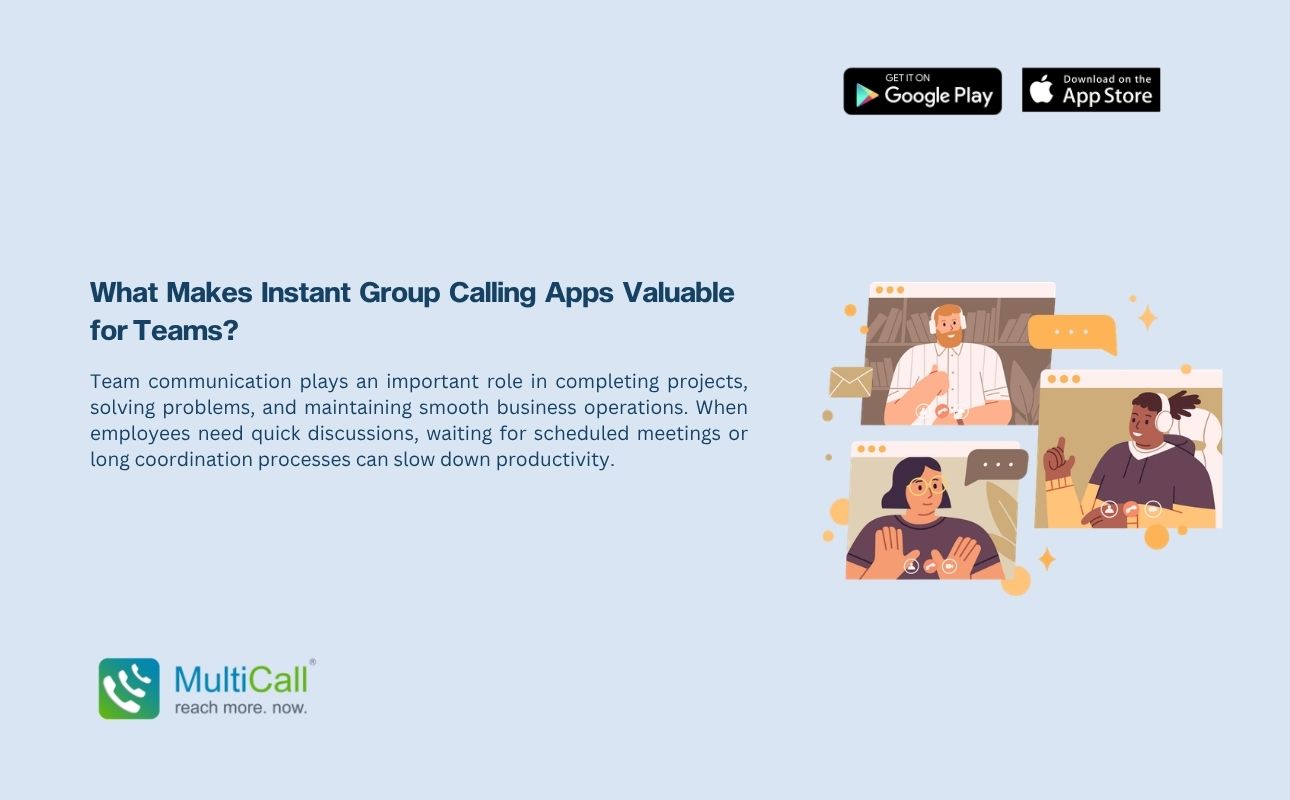
  • Instant Group Calling Apps: Facilitates immediate group calls without complex setups.
  • High-Quality PSTN Calling: Guarantees superior sound quality and reliable connections.

How to Integrate MultiCall’s Voice API

  1. Sign Up: Create an account with MultiCall and access the Voice API documentation.
  2. Integration: Follow the provided guidelines to integrate the Voice API into your existing systems. The process is straightforward and supported by comprehensive documentation.
  3. Customization: Customize the API functionalities to suit your specific business needs, whether it’s for customer support, internal communication, or marketing campaigns.

Real-World Applications

Businesses across various sectors can benefit from Voice API integration:

  • Customer Support: Enhance customer service with automated call routing and IVR systems.
  • Sales and Marketing: Use automated calling features to streamline sales processes and manage marketing campaigns effectively.
  • Internal Communication: Facilitate seamless and secure communication within teams, especially for remote or distributed workforce.

Conclusion

Integrating MultiCall’s Voice API for enhanced communication can significantly improve how businesses interact with their customers and teams. This technology offers a blend of superior sound quality, reliability, and advanced features, ensuring efficient and effective communication. Embrace Voice API integration with MultiCall and elevate your business communication to the next level.

Contact Form


apple-store-app
google-play-app

YOU MAY ALSO LIKE

audio

 Why Audio Communication Is Still the Backbone of Enterprises

Even in the era of video calls and chat platforms, audio communication remains the most reliable and effective way for enterprises to connect teams, partners, and clients. Clear voice interactions allow organizations to share information instantly, make decisions faster, and maintain alignment across departments. Audio remains the backbone because it combines clarity, accessibility, and speed in ways that other tools often cannot match.

Read More »
team

What High-Performance Teams Do Differently in Communication

Teams that consistently deliver results share more than skills and experience; they share effective communication habits. High-performance teams understand that clarity, structure, and timely collaboration are key to success. Audio conferencing plays a vital role in shaping these habits, allowing teams to stay connected, aligned, and responsive.

Read More »
voice

How Clear Voice Communication Reduces Business Risk

Effective communication is one of the most critical factors in preventing mistakes and mitigating risks within a business. Misunderstandings, delays, or misaligned instructions can cost companies time, money, and reputation. Clear voice communication helps organizations manage these challenges by ensuring that information is shared accurately and efficiently.

Read More »
enterprise

 Why Every Growing Enterprise Needs Structured Group Calling

As businesses expand, communication becomes increasingly complex. Teams grow, departments multiply, and projects span multiple locations. Without a structured approach to collaboration, miscommunication and delays can slow progress. Structured group calling provides a solution that keeps growing enterprises aligned, efficient, and productive.

Read More »
enterprise

How Smart Enterprises Simplify Communication Infrastructure

Communication is the backbone of any smart enterprise. Complex infrastructures, multiple tools, and dispersed teams can create challenges for smooth collaboration. Simplifying communication infrastructure allows businesses to reduce inefficiencies, streamline processes, and ensure that employees stay connected effortlessly.

Read More »
team collaborate

 Why Audio Calls Create Stronger Team Accountability

Accountability is essential for high-performing teams. When responsibilities are clear and communication is effective, teams can deliver better results, stay on track, and meet deadlines consistently. Audio calls provide a simple yet powerful way to strengthen accountability and ensure teams remain aligned on goals.

Read More »