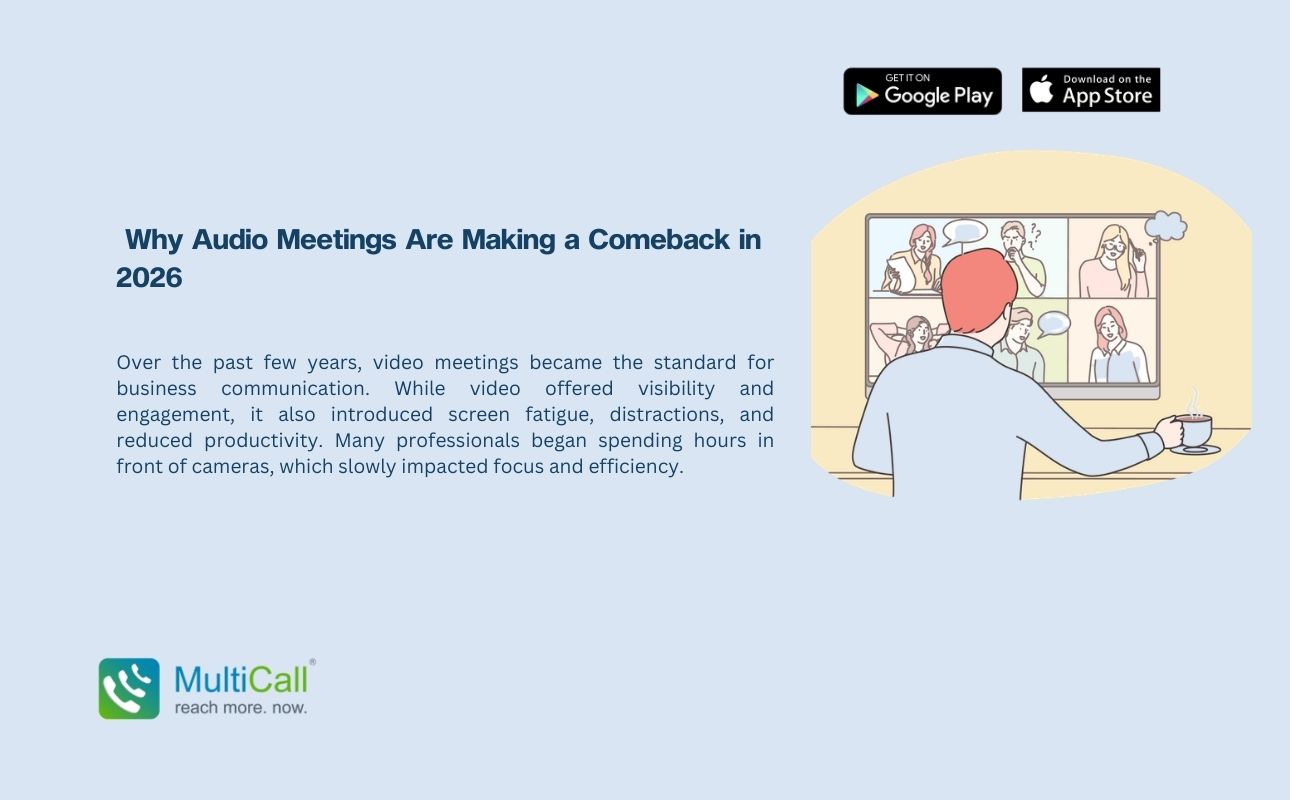
The Real Reason Enterprises Are Moving Back to Voice
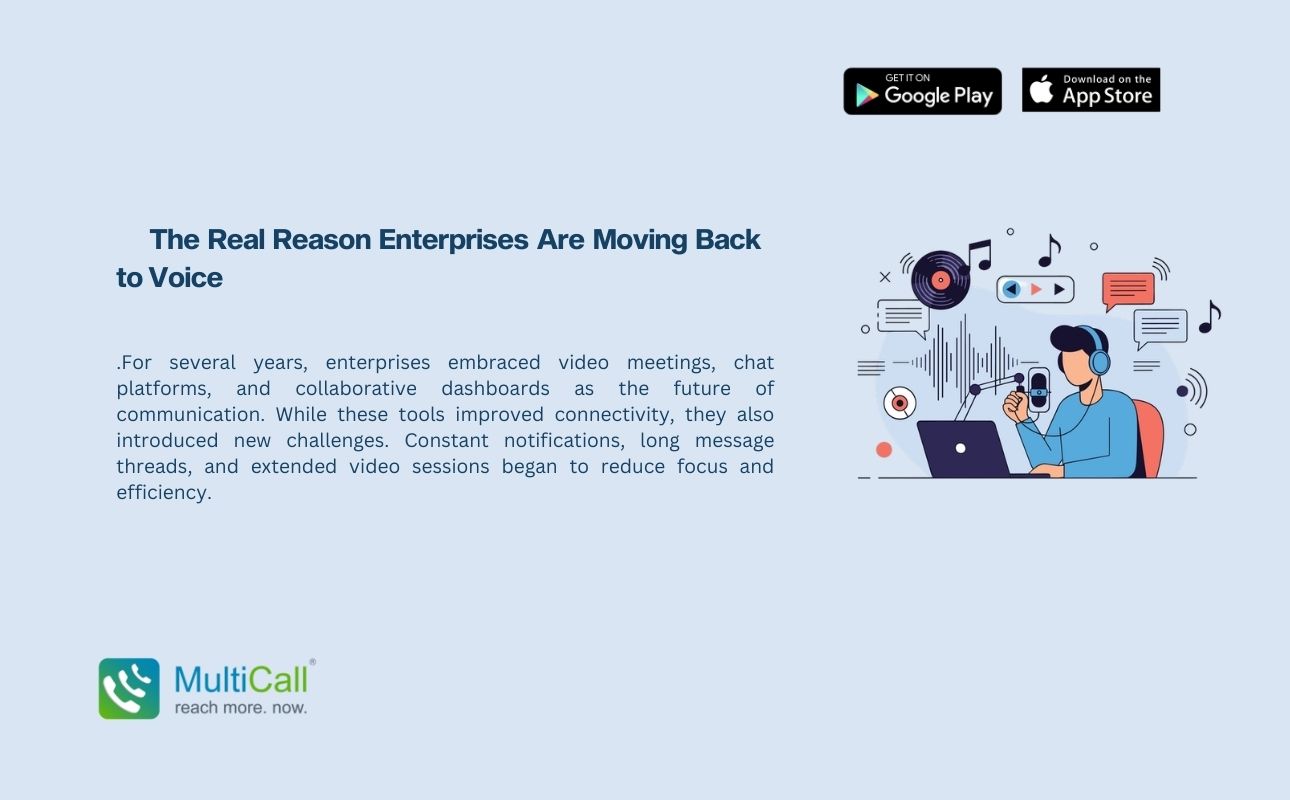
For several years, enterprises embraced video meetings, chat platforms, and collaborative dashboards as the future of communication. While these tools improved connectivity, they also introduced new challenges. Constant notifications, long message threads, and extended video sessions began to reduce focus and efficiency.
Many organizations are now reassessing how they communicate. The shift back to voice is not about rejecting digital transformation. It is about choosing clarity and reliability over complexity.
Voice communication is proving to be more direct, less distracting, and better suited for serious business conversations.
Clarity Over Convenience
Text based platforms are convenient, but they often lack depth. Important discussions become fragmented across multiple chat windows. Tone is misinterpreted. Urgency is diluted.
A well structured Group Calling App provides a more focused alternative. When people speak directly, they express intent clearly and resolve misunderstandings immediately. Conversations become purposeful rather than scattered.
Enterprises are discovering that Efficient Group Calling Solutions support stronger collaboration because they eliminate ambiguity. Teams leave voice discussions with shared understanding instead of lingering confusion.
Reliability Is a Priority Again
Connectivity issues have exposed the limitations of bandwidth heavy tools. Video freezes and dropped connections interrupt high value conversations. Enterprises cannot afford disruptions during negotiations or strategic discussions.
High quality PSTN Calling offers consistent audio clarity and dependable connectivity. Many organizations are returning to this reliable infrastructure because stability matters more than visual presence.
When voice quality is clear and uninterrupted, decisions move forward without technical barriers. Reliability restores confidence in communication systems.
Security and Privacy Considerations
As businesses grow more conscious of data privacy, voice platforms with enhanced security features are gaining attention. Features such as Number Masking in Calls allow enterprises to protect personal contact information during client interactions.
This is particularly important in industries that handle sensitive data. Secure voice communication ensures confidentiality without sacrificing accessibility.
Persistent Login Calling Apps also simplify secure access. Users can join calls quickly while maintaining consistent authentication standards. Reduced friction combined with strong security encourages wider adoption of voice based systems.
Faster Alignment, Stronger Decisions
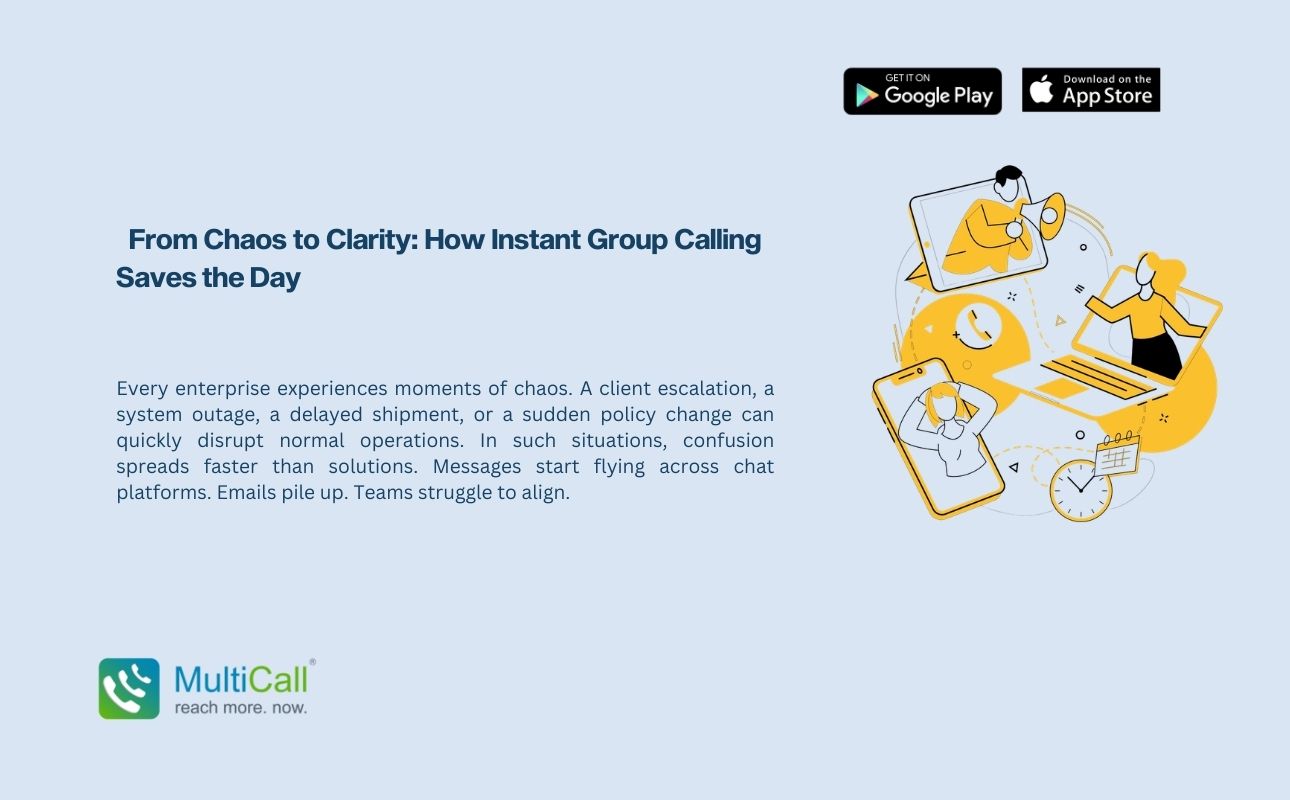
Voice communication accelerates alignment. Instead of waiting for message responses, teams can gather immediately and discuss issues in real time. Efficient Group Calling Solutions support quick coordination across departments.
A dependable Group Calling App allows leadership to connect multiple stakeholders instantly. This speeds up approvals and reduces decision making delays.
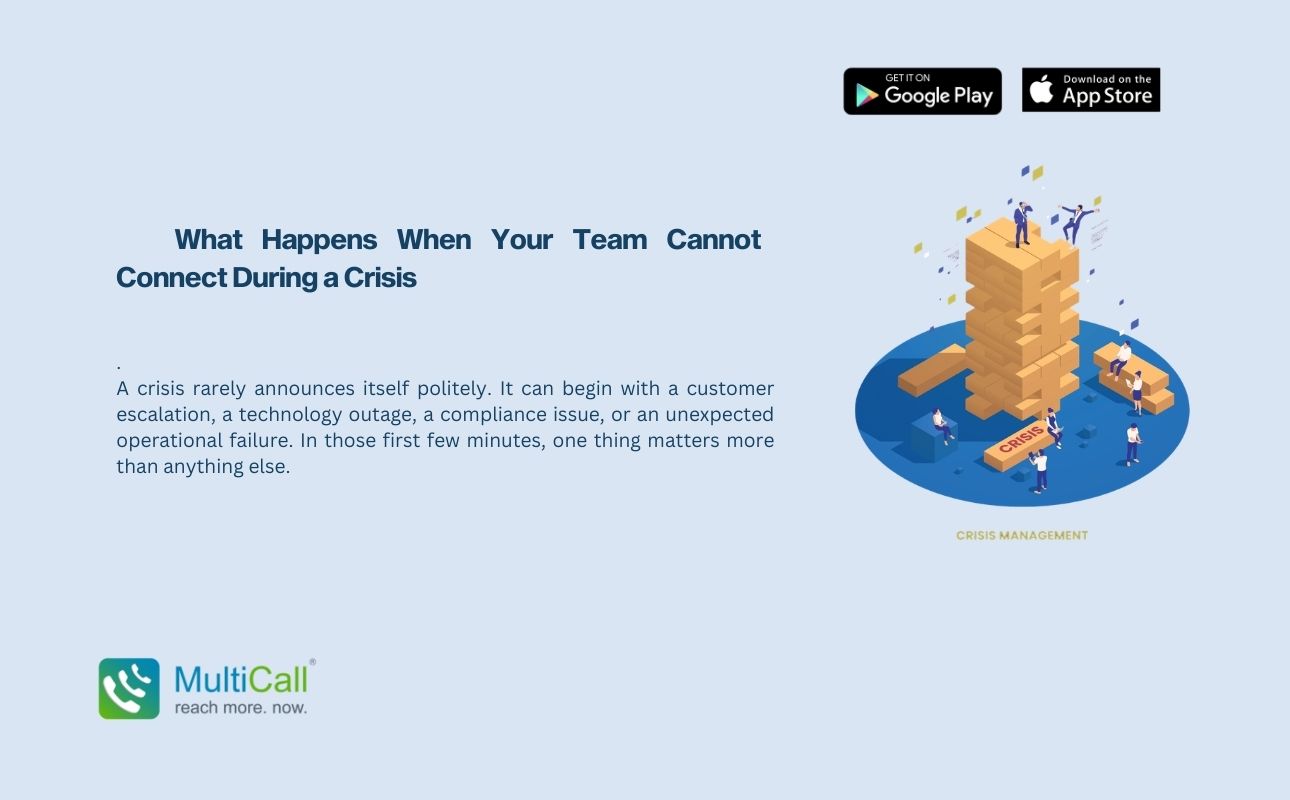
In urgent situations, High quality PSTN Calling ensures that every participant hears instructions clearly. Miscommunication is minimized and execution becomes more confident.
Enterprises are recognizing that speed and clarity often outweigh visual engagement.
Voice Strengthens Professional Presence
There is also a human element behind this shift. Voice communication builds trust. It conveys confidence, authority, and attentiveness in ways that text cannot.
Clients often respond more positively to direct voice interaction. It demonstrates commitment and accountability. Number Masking in Calls ensures privacy while maintaining professionalism.
Persistent Login Calling Apps simplify recurring meetings and ongoing collaboration. The overall experience becomes seamless and reliable.
The real reason enterprises are moving back to voice is not nostalgia. It is performance. Voice communication delivers clarity, reliability, security, and speed.
As organizations refine their communication strategies, they are choosing tools that support productivity rather than distraction. Efficient Group Calling Solutions and High quality PSTN Calling are enabling enterprises to reconnect with what matters most.
Clear conversations drive confident decisions. In an increasingly complex business environment, voice is once again becoming the foundation of effective communication.