What Happens When Your Team Cannot Connect During a Crisis
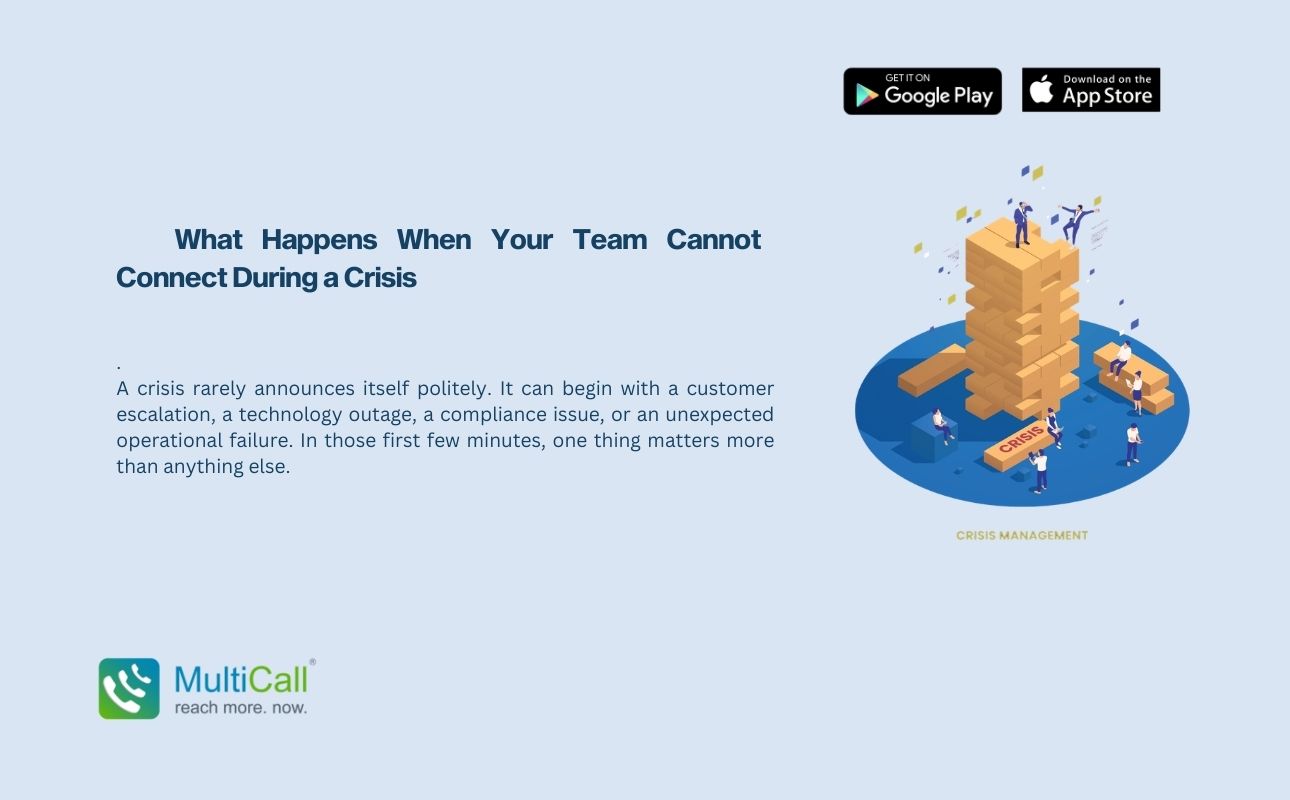
A crisis rarely announces itself politely. It can begin with a customer escalation, a technology outage, a compliance issue, or an unexpected operational failure. In those first few minutes, one thing matters more than anything else. Communication.
When a team cannot connect immediately, confusion replaces clarity. Individuals begin reacting independently. Assumptions are made. Decisions are delayed. The situation escalates not because of the original problem, but because coordination fails.
Crisis management is not only about expertise. It is about how quickly people can align.
Delays Multiply the Damage
When teams struggle to connect, time works against the organization. Emails go unanswered. Messages sit unread. People wait for responses that never arrive. Meanwhile, clients lose patience and internal pressure increases.
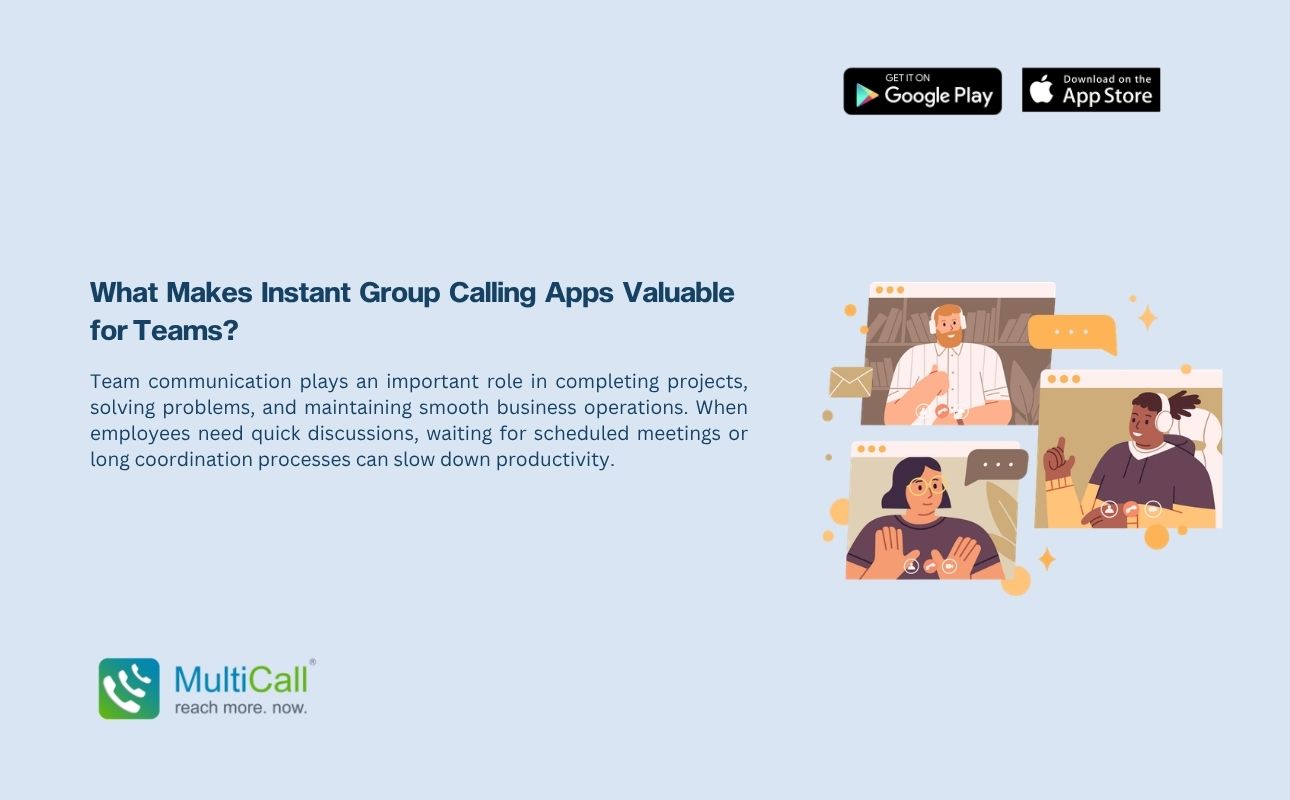
An Efficient Group Calling Solutions platform removes this delay. Instead of relying on scattered communication channels, teams can initiate a focused voice discussion instantly. A reliable Group Calling App ensures that key stakeholders join the conversation without technical obstacles.
In crisis situations, clarity must replace chaos within minutes, not hours.
Text Communication Falls Short
During emergencies, text based communication often creates more confusion. Multiple threads emerge. Important details get buried. Tone is misinterpreted. Urgency is diluted.
Voice interaction eliminates these gaps. High quality PSTN Calling provides stable and clear audio, ensuring that every instruction and update is heard correctly. In critical situations, connectivity stability becomes essential. A dropped call or poor sound quality can disrupt important decisions.
Organizations that rely solely on internet dependent messaging platforms risk communication breakdown during high pressure moments.
Accountability Requires Real Time Discussion
When communication is fragmented, accountability weakens. Without a structured discussion, responsibilities remain unclear. Team members may assume someone else is handling the issue.
A structured Group Calling App enables leadership to assign roles clearly during live conversations. Questions are answered instantly. Decisions are made collectively. Everyone leaves the call with defined responsibilities.
Persistent Login Calling Apps further enhance efficiency by allowing users to join calls quickly without repeated authentication delays. When seconds matter, seamless access becomes a competitive advantage.
Security and Privacy During Sensitive Situations
Many crises involve confidential information. Financial data, client records, or internal vulnerabilities must be discussed carefully. Communication tools should not compromise privacy.
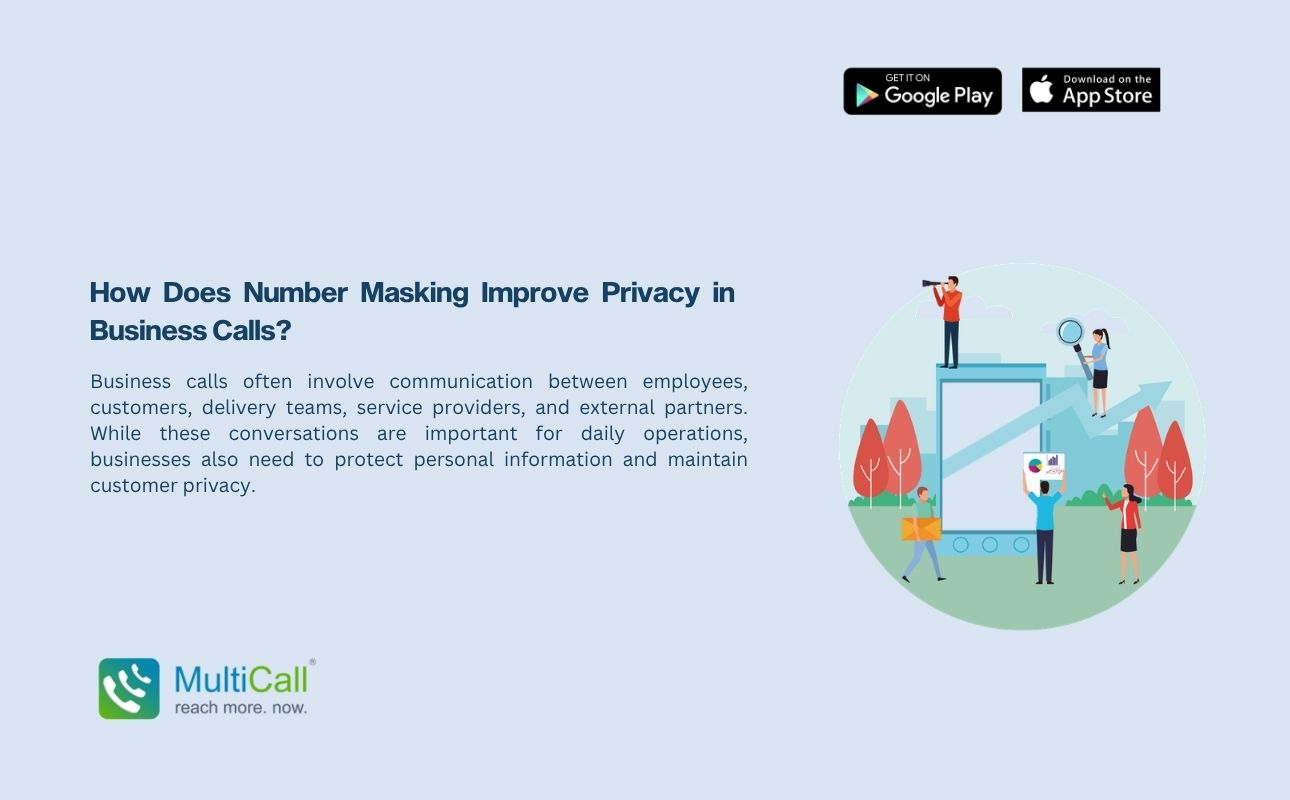
Features such as Number Masking in Calls protect contact information while enabling smooth coordination. This ensures that personal details remain secure even during urgent outreach.
Secure and reliable communication platforms support both speed and confidentiality. Enterprises must be prepared to protect information while responding quickly.
The Cost of Disconnection
When teams fail to connect during a crisis, the consequences extend beyond immediate disruption. Client trust may weaken. Revenue opportunities may disappear. Employee confidence may decline.
On the other hand, organizations equipped with Efficient Group Calling Solutions can respond decisively. High quality PSTN Calling ensures reliability. Persistent Login Calling Apps remove friction. Number Masking in Calls protects privacy. A dependable Group Calling App creates a structured space for rapid alignment.
Crisis situations test the strength of enterprise communication systems. The ability to connect instantly often determines whether the organization contains the issue or allows it to grow.
Strong communication infrastructure is not optional. It is a safeguard against preventable damage. When teams can connect immediately, they move from uncertainty to action. When they cannot, the crisis controls the narrative.