The Hidden Cost of Missed Calls in Enterprise Communication
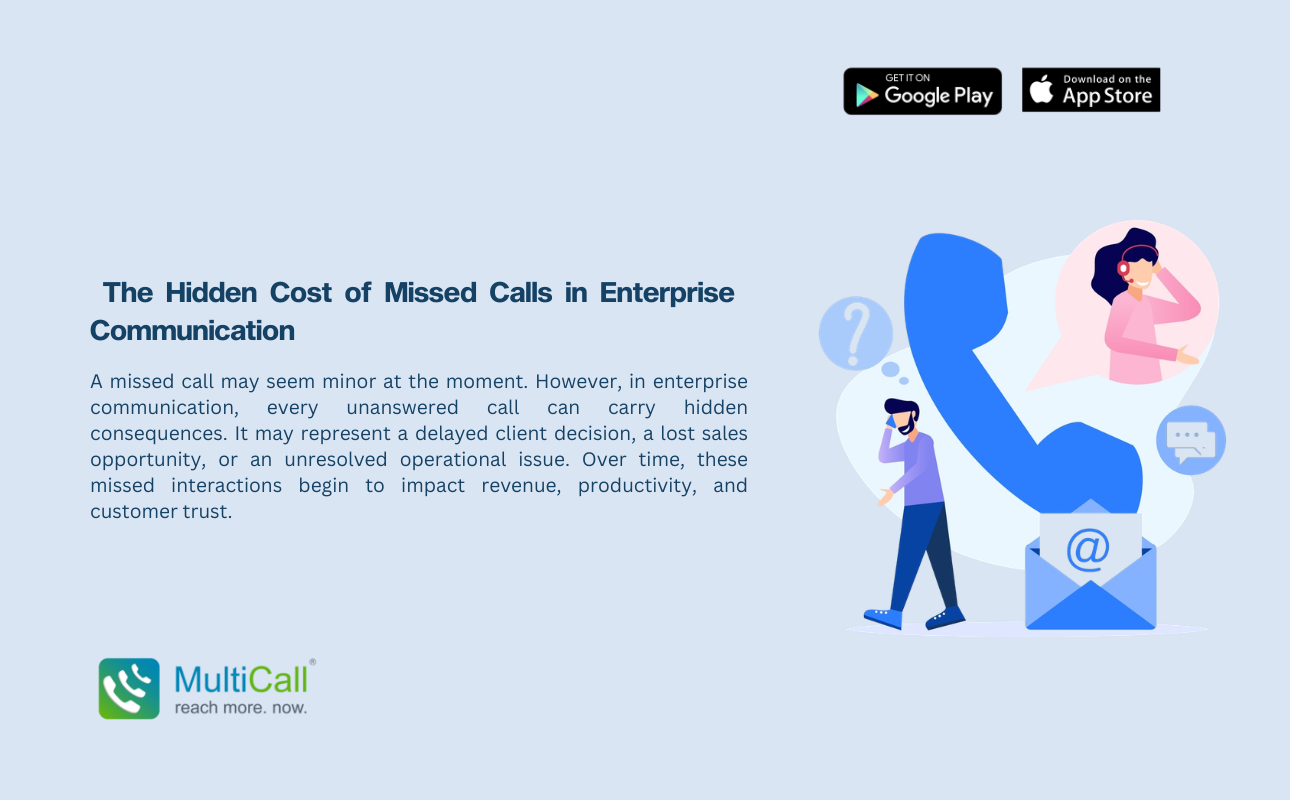
A missed call may seem minor at the moment. However, in enterprise communication, every unanswered call can carry hidden consequences. It may represent a delayed client decision, a lost sales opportunity, or an unresolved operational issue. Over time, these missed interactions begin to impact revenue, productivity, and customer trust.
Enterprises operate in environments where timing matters. When a client or partner attempts to connect and receives no response, it often sends the wrong message. It may signal disorganization or lack of responsiveness. In competitive industries, that single missed call could redirect business elsewhere.
The Impact on Client Relationships
Enterprise communication is built on reliability. Clients expect quick access to decision makers and support teams. When calls are missed or left unanswered, it creates frustration. Email follow ups and chat messages rarely replace the clarity and reassurance of direct voice interaction.
Using Best Audio Conferencing Apps ensures that important discussions are not limited to fragmented conversations. Structured calling platforms allow enterprises to manage incoming communication more effectively and reduce the risk of dropped opportunities.
In many organizations, teams rely heavily on text based updates. While messaging has its place, it does not replace voice communication when urgency is involved. Group Call Business Communication helps enterprises connect multiple stakeholders quickly, ensuring that discussions move forward without unnecessary delays.
Operational Delays and Internal Confusion
Missed calls do not only affect clients. They also disrupt internal workflows. When departments fail to connect in time, projects stall. Approvals are delayed. Decisions are postponed. This inefficiency creates hidden operational costs.
Effective Team Communication Apps that integrate structured calling features can prevent such breakdowns. When teams can initiate direct conversations instead of waiting on message replies, alignment improves significantly. Clear verbal communication reduces misunderstandings and speeds up decision making.
For enterprises operating across locations, reliable infrastructure becomes even more critical. PSTN-based Calling Services provide stable connectivity that ensures business continuity. Consistent call quality reduces communication gaps and ensures that important discussions are not compromised.
Revenue Risks and Opportunity Loss
Sales and partnership opportunities often depend on immediate responsiveness. A potential client who does not receive a timely callback may choose a competitor. The financial impact of that lost opportunity may not be immediately visible, but over time, repeated missed calls can result in significant revenue decline.
Modern tools allow enterprises to schedule calls using app features to ensure structured follow ups. This proactive approach helps teams stay organized and prevents critical conversations from being overlooked.
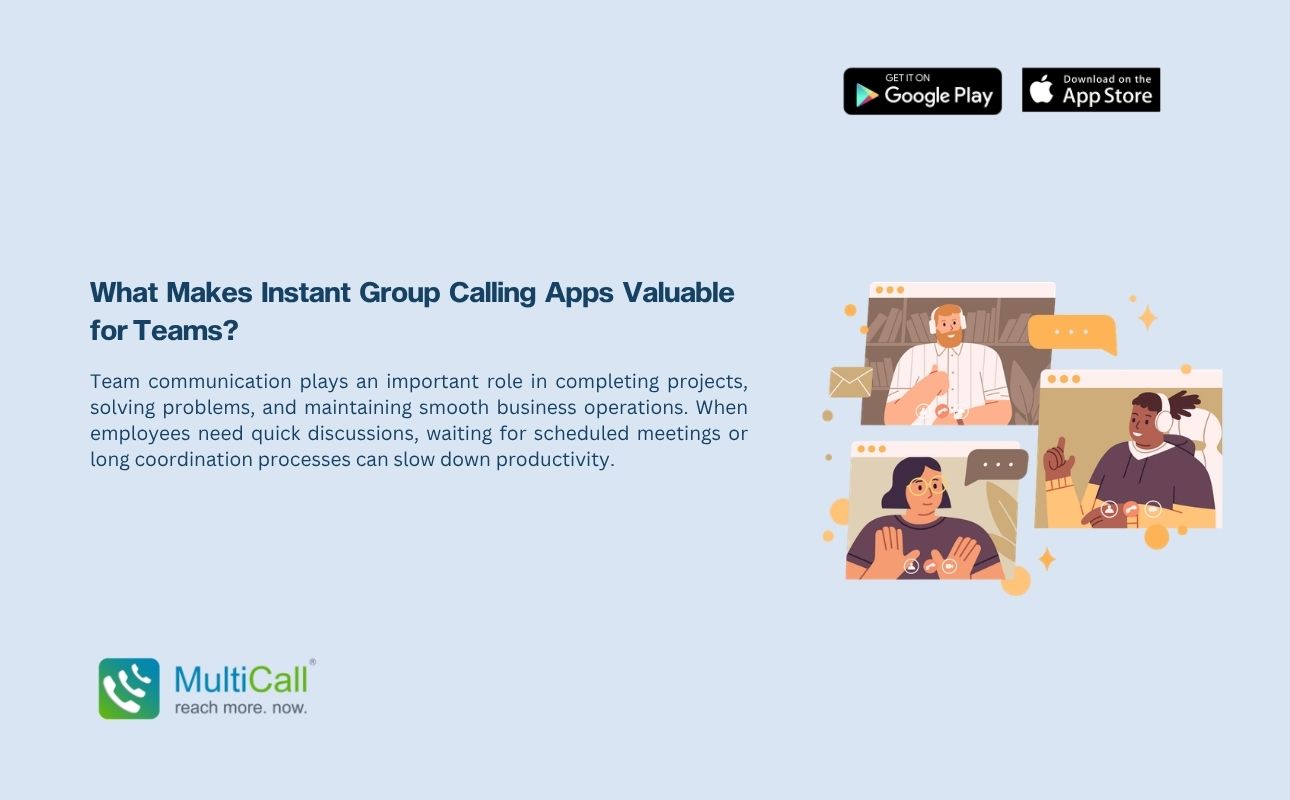
Additionally, Instant Group Calling Apps allow decision makers to connect instantly when urgent matters arise. Instead of waiting for availability or relying on scattered messages, teams can resolve issues in real time.
Building a Culture of Responsiveness
Enterprise communication should be designed to minimize friction. Missed calls often reflect deeper structural gaps in communication systems. Investing in reliable conferencing platforms and organized calling workflows strengthens responsiveness and professionalism.
The Best Audio Conferencing Apps do more than connect people. They create structured environments where important conversations happen efficiently. Combined with Effective Team Communication Apps, enterprises can ensure that no critical call goes unanswered.
The true cost of missed calls extends beyond inconvenience. It affects client perception, operational speed, and long term growth. Enterprises that prioritize reliable calling systems and structured Group Call Business Communication position themselves for stronger collaboration and sustainable success.