The Evolution of Enterprise Communication: From Landlines to Smart Calling
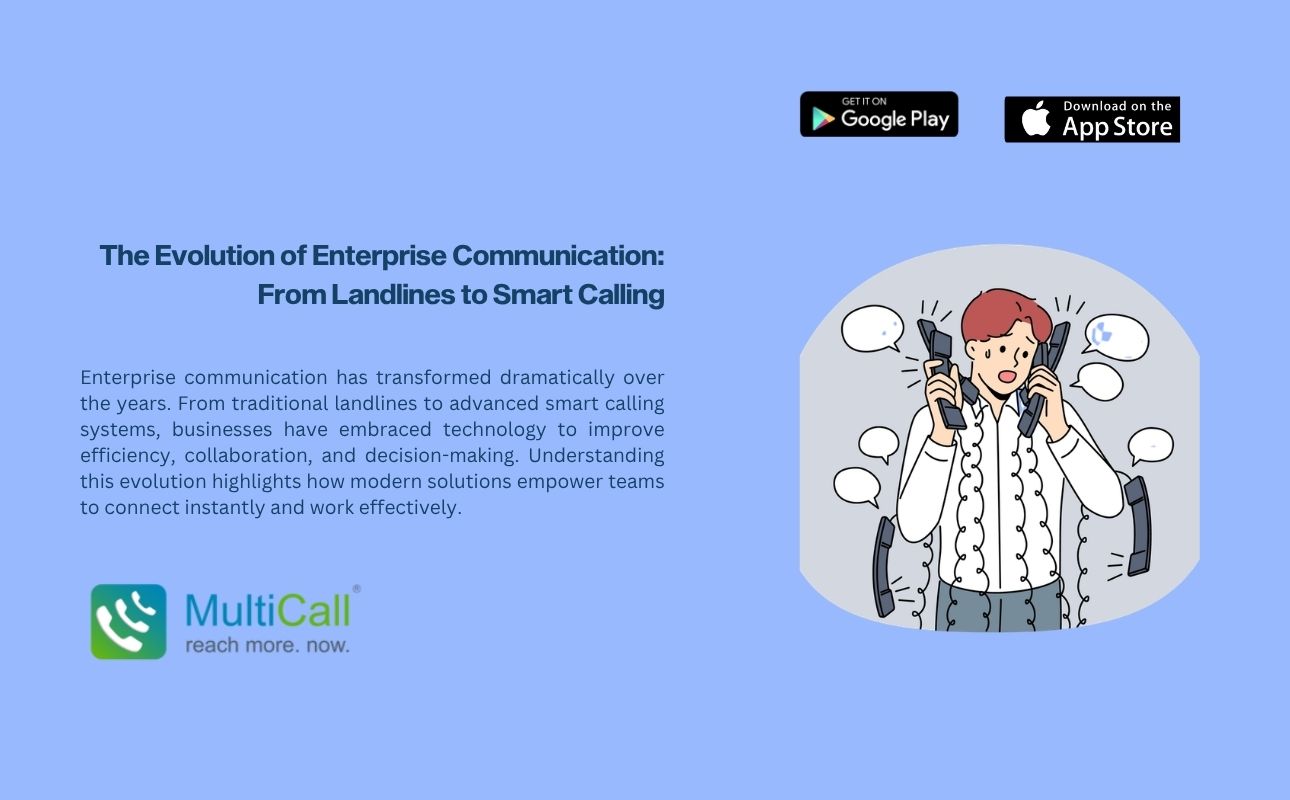
Enterprise communication has transformed dramatically over the years. From traditional landlines to advanced smart calling systems, businesses have embraced technology to improve efficiency, collaboration, and decision-making. Understanding this evolution highlights how modern solutions empower teams to connect instantly and work effectively.
The Era of Landlines
In the past, landlines were the backbone of business communication. Employees relied on desk phones for internal discussions and client calls. While reliable, landlines had limitations: calls were often confined to office premises, and conference calls were cumbersome, requiring multiple lines and manual coordination. Teams faced delays and inefficiencies when connecting across locations.
The Rise of Mobile Communication
The introduction of mobile phones brought flexibility to enterprise communication. Employees could communicate while on the move, reducing delays in decision-making. However, coordinating group discussions remained challenging, and large meetings often required separate scheduling tools or email confirmations. Mobile communication improved accessibility but did not fully address the needs of collaborative teams.
Introduction of Audio Conferencing
Audio conferencing changed the landscape by allowing multiple participants to join a single call from different locations. This technology made it easier for enterprises to hold team discussions, client meetings, and strategic sessions. Participants could connect instantly without physical presence, improving responsiveness and decision-making speed.
The Shift to Smart Calling
Smart calling solutions integrate traditional audio systems with digital platforms, offering advanced features such as call routing, automated conferencing, and real-time analytics. Enterprises can now manage large meetings effortlessly, track engagement, and maintain high-quality communication. Smart systems ensure that employees stay connected regardless of location, device, or network.
Benefits of Modern Communication Tools
Modern enterprise communication improves collaboration and productivity. Teams can join calls instantly, share updates, and make collective decisions efficiently. The combination of mobility, high-quality audio, and seamless connectivity reduces delays, prevents miscommunication, and enhances overall performance. Employees spend less time coordinating meetings and more time executing tasks.
Supporting Remote and Distributed Teams
With remote and hybrid work becoming standard, smart calling solutions are essential. Employees across cities or countries can connect to discussions instantly. Advanced systems ensure seamless communication, allowing distributed teams to stay aligned and collaborate effectively without interruptions.
Future of Enterprise Communication
The trend continues toward fully integrated, intelligent communication platforms. Voice, video, and collaboration tools are converging into unified solutions that streamline workflows. Artificial intelligence, automated scheduling, and predictive analytics will further enhance how enterprises connect and make decisions in real time.
Conclusion
Enterprise communication has evolved from landlines to mobile phones, audio conferencing, and now smart calling systems. Modern solutions enable teams to connect instantly, collaborate efficiently, and make faster, more informed decisions. By adopting advanced communication tools, enterprises can maintain productivity, support remote teams, and stay competitive in a rapidly changing business environment.