The 5 Biggest Communication Mistakes Enterprises Make
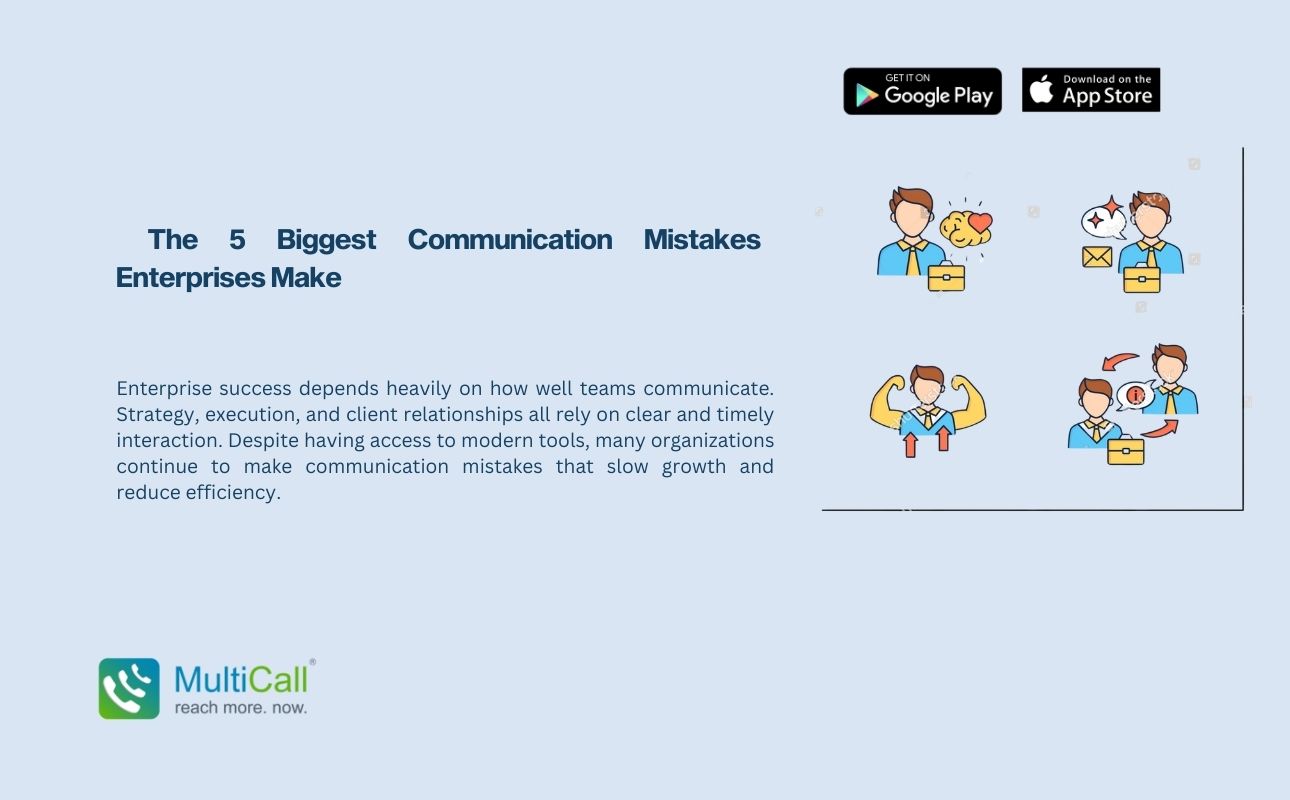
Enterprise success depends heavily on how well teams communicate. Strategy, execution, and client relationships all rely on clear and timely interaction. Despite having access to modern tools, many organizations continue to make communication mistakes that slow growth and reduce efficiency.
Understanding these mistakes is the first step toward building stronger internal and external collaboration.
1. Relying Too Much on Text Based Platforms
Messaging tools are convenient, but they are often overused. Enterprises sometimes attempt to resolve complex issues through long chat threads. This leads to misunderstandings, missed context, and delayed decisions.
Voice conversations offer clarity that text cannot. Best Audio Conferencing Apps allow teams to communicate tone, urgency, and intent more effectively. When discussions involve strategy or financial implications, voice communication reduces ambiguity and improves alignment.
2. Ignoring Structured Group Discussions
Many enterprises fail to organize proper group discussions. Instead, information flows in fragments between individuals. This creates silos and inconsistent understanding across departments.
Group Call Business Communication enables all relevant stakeholders to participate in the same conversation. This ensures transparency and reduces duplication of effort. When everyone hears the same information at the same time, accountability improves naturally.
Without structured calls, important details are often lost in scattered updates.
3. Delaying Critical Conversations
Another common mistake is postponing direct communication. Teams may exchange multiple messages instead of initiating a call. This delay slows decision making and increases frustration.
Instant Group Calling Apps help enterprises address urgent matters immediately. Instead of waiting for responses in chat threads, leaders can connect key decision makers in seconds. Quick access to voice discussion often resolves issues faster than prolonged messaging.
For planned discussions, the ability to Schedule calls using app features ensures preparation and focused participation. Structured scheduling improves productivity and reduces confusion.
4. Overlooking Reliability and Call Quality
Communication tools are only as effective as their reliability. Enterprises sometimes rely entirely on internet dependent platforms without considering network stability. Dropped connections or poor call quality can disrupt important discussions.
PSTN-based Calling Services provide consistent and stable communication channels. For enterprises handling high value negotiations or sensitive information, dependable infrastructure is essential. Reliability builds confidence among both teams and clients.
Ignoring call quality and stability can weaken the professional image of an organization.
5. Using Too Many Disconnected Tools
When enterprises use multiple communication platforms without integration, information becomes scattered. Employees switch between apps, miss updates, and struggle to track decisions.
Effective Team Communication Apps bring structure and clarity to communication workflows. Integrating voice, scheduling, and group coordination within one system simplifies collaboration. Centralized communication reduces confusion and strengthens operational efficiency.
A clear communication framework allows teams to focus on outcomes rather than tools.
Building a Strong Communication Culture
Enterprises that recognize these communication mistakes can transform their performance. Clear voice discussions, structured group calls, reliable calling systems, and organized scheduling create a professional communication environment.
Best Audio Conferencing Apps and Group Call Business Communication tools are not simply technical solutions. They are strategic assets that support better decision making and stronger collaboration.
When enterprises prioritize clarity, reliability, and structure in communication, they reduce errors and improve responsiveness. Avoiding these five common mistakes can significantly enhance operational effectiveness and long term growth.