Maximizing Productivity: The Role of Call Scheduling Applications in Business Meetings
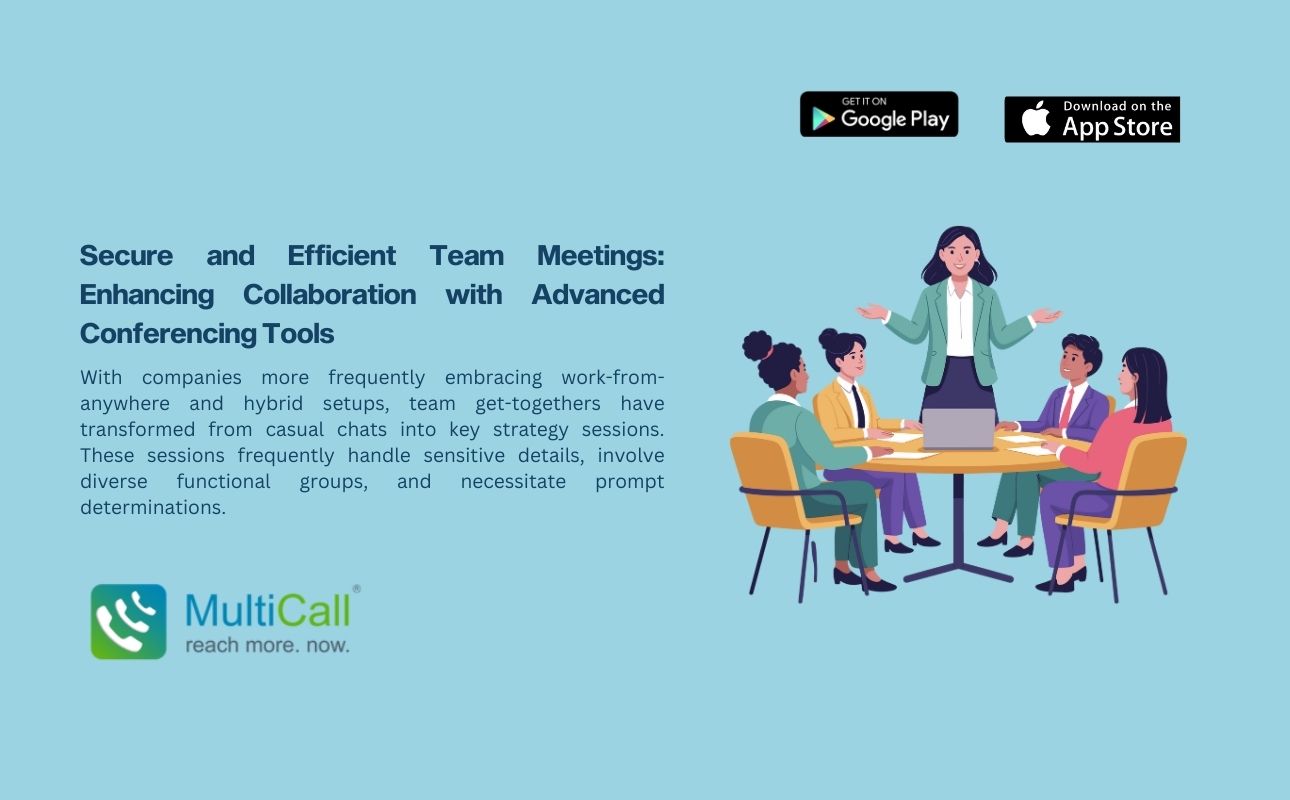
In rapidly evolving business settings, output levels closely correlate with team interaction quality. Spontaneous calls, absent gatherings, and conflicting agendas frequently result in muddles and lost hours. As enterprises expand and workforces spread out, the necessity for systematic communication turns essential. This is where tools for arranging calls become key in simplifying the process of group business interaction.
Planned exchanges foster transparency. With gatherings set beforehand, attendees show up ready, dialogues remain on track, and conclusions are reached more quickly. Companies utilizing contemporary, proficient team talk software secure a distinct edge by substituting impulsive discussions with well-ordered teamwork.
Why Structured Communication Drives Business Productivity
In modern organizations, productivity depends heavily on how effectively teams communicate. Unstructured interactions often lead to interruptions, unclear objectives, and wasted effort. Structured communication, enabled through call scheduling applications, ensures that discussions happen with purpose, preparation, and alignment, directly contributing to improved business outcomes.
The Importance of Scheduling in Group Communication
Team dialogues are necessary for getting everyone on the same page, but without appropriate timing, they can swiftly turn ineffective. By employing call arranging utilities, groups can synchronize sessions across distinct departments and time differences smoothly.
The capability to book calls via the software guarantees prompt alerts and reminders for all involved, cutting down on missed meetings and delays. Clearly scheduled sessions also create accountability, encouraging participants to engage actively and contribute meaningfully to discussions.
Seamless Scheduling Combined with Instant Connectivity
While structured scheduling brings order, flexibility remains essential in dynamic business environments. Modern communication platforms blend scheduling with instant group calling, allowing teams to respond quickly when urgent conversations arise.
This balance between preparation and immediacy enables organizations to stay agile without sacrificing organization. A unified group calling application that supports both planned and on-demand meetings helps teams collaborate effectively in any situation.
Enhancing Meeting Quality with Reliable Audio
No matter how well a meeting is scheduled, its success depends on clear communication. High-quality audio conferencing platforms that leverage PSTN-based calling services provide consistent sound clarity during planned meetings.
Reliable audio minimizes misunderstandings, reduces repetition, and keeps discussions productive. PSTN connectivity ensures meetings remain stable even when internet conditions fluctuate, making scheduled calls more dependable for geographically distributed teams.
Time Management and Cost Efficiency Through Scheduling
Unplanned communication often leads to excessive calls and prolonged meetings. By adopting cost-effective calling solutions supported by scheduling features, organizations can reduce communication overhead while improving productivity.
Scheduled meetings encourage teams to manage time more efficiently by defining objectives and durations in advance. Over time, this disciplined approach contributes to better resource utilization and stronger operational efficiency.
Security and Access Control in Scheduled Meetings
Security plays a critical role in business communication. Features such as secure conference calling and number masking ensure that scheduled meetings remain private and compliant with organizational policies.
Persistent login functionality further simplifies access by allowing participants to join meetings without repeated authentication. This reduces friction while ensuring meetings start on time and maintain a professional standard.
Integration and Scalability for Growing Organizations
As organizations grow, their communication needs evolve. Through voice API integration, call scheduling features can be embedded into existing business tools, calendars, and workflows.
This seamless integration transforms scheduling into a natural part of daily operations rather than a separate task, enabling scalable and efficient communication as businesses expand.
Conclusion
Call scheduling applications have become essential for organizations aiming to sustain productivity. By combining structured planning with instant group calling, high-quality audio conferencing, and reliable PSTN connectivity, businesses can elevate the effectiveness of their meetings. Timely, organized communication enhances focus, reduces wasted effort, and supports better decision-making, making scheduled calling a cornerstone of modern workplace collaboration.