What Real-Time Communication Looks Like in Large Enterprises
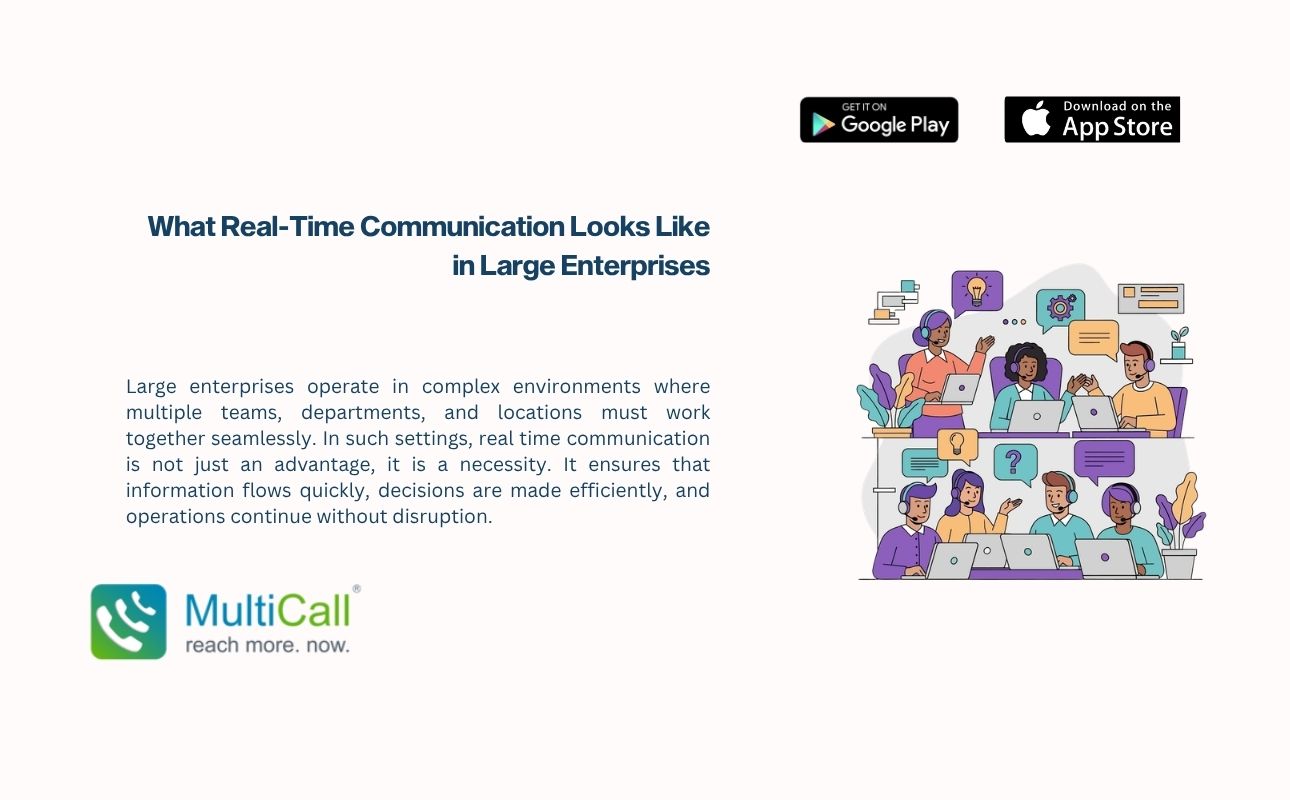
Large enterprises operate in complex environments where multiple teams, departments, and locations must work together seamlessly. In such settings, real time communication is not just an advantage, it is a necessity. It ensures that information flows quickly, decisions are made efficiently, and operations continue without disruption.
Instant Connectivity Across Departments
In large enterprises, communication often involves multiple stakeholders. Waiting for responses through emails or messages can slow down processes and create bottlenecks.
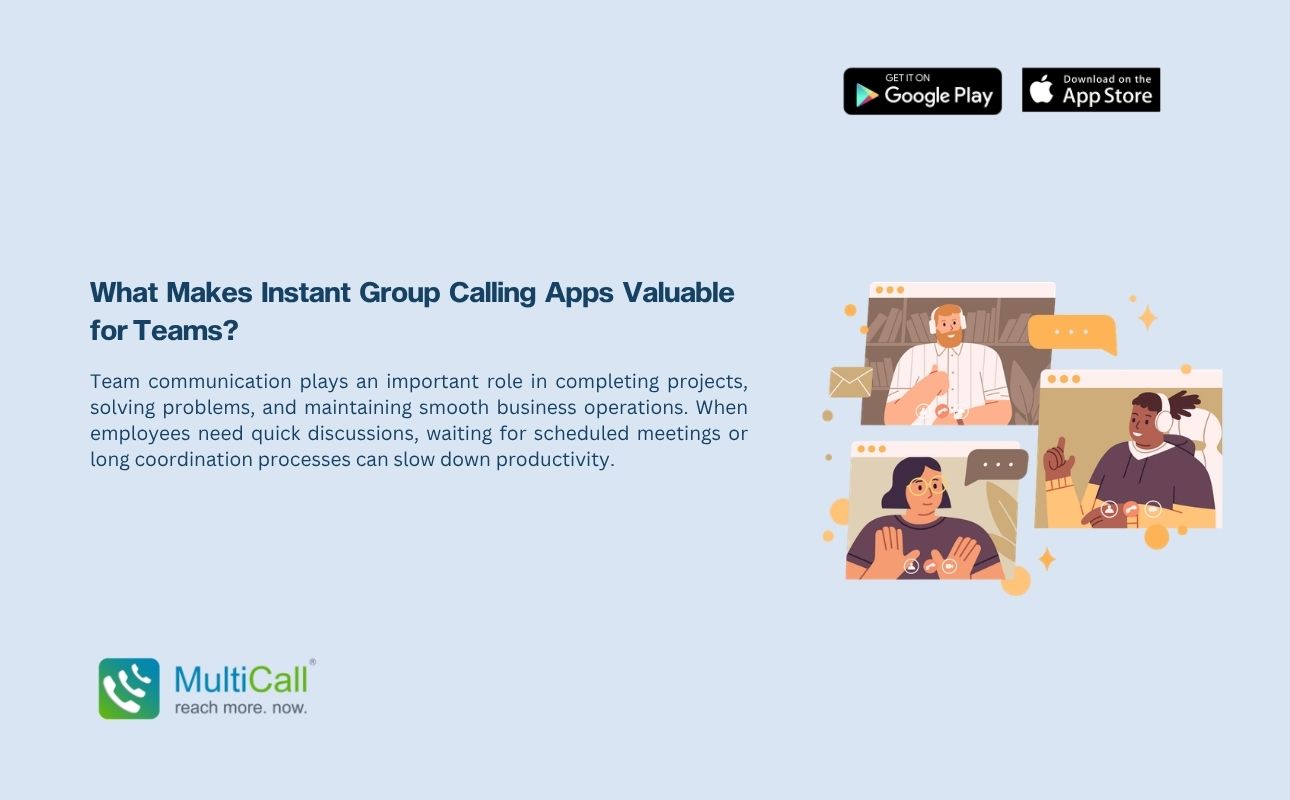
Real time communication allows teams to connect instantly and share updates without delay. With Group Call Business Communication, employees across departments can join discussions at the same time, ensuring that everyone is aligned.
This instant connectivity helps organizations maintain efficiency and avoid unnecessary delays.
Faster Decision Making at Scale
Decision making in large enterprises can be complex due to the involvement of multiple teams. Delays in communication can lead to missed opportunities and operational challenges.
With Instant Group Calling Apps, leaders and team members can connect immediately to discuss critical matters. This enables faster decisions, even when dealing with large scale operations.
Quick decision making helps enterprises stay competitive and respond effectively to changing business needs.
Managing Large Teams Efficiently
Handling communication for large teams requires structured and scalable solutions. Real time communication tools make it easier to manage interactions without confusion.
Enterprises often rely on Group Calling App solutions to bring multiple participants into a single conversation. This ensures that communication remains organized and that important information reaches all relevant members.
Efficient team management depends on how well communication is handled at scale.
Reliable Communication Infrastructure
Large enterprises cannot afford communication failures. Any disruption can impact operations, customer service, and overall productivity.
Using PSTN-based Calling Services ensures that communication remains stable and reliable, even in challenging network conditions. This is especially important for businesses operating in multiple regions with varying connectivity levels.
A dependable communication infrastructure is essential for maintaining business continuity.
Simplified Meeting Scheduling
Coordinating meetings in large enterprises can be time consuming, especially when participants are spread across different locations and time zones.
The ability to Schedule calls using app simplifies this process. Teams can plan meetings efficiently, set reminders, and ensure that all participants are available at the right time.
Simplified scheduling helps reduce delays and keeps workflows organized.
Enhancing Collaboration Across Locations
Enterprises often operate across multiple cities or countries. Ensuring collaboration between these locations is a key challenge.
With Effective Team Communication Apps, employees can collaborate in real time, share updates, and resolve issues quickly. This improves coordination and ensures that all teams work toward common goals.
Strong collaboration leads to better performance and smoother operations.
Supporting High Volume Communication Needs
Large enterprises handle a high volume of communication every day. From internal discussions to client interactions, the demand for communication tools is significant.
Real time solutions like Best Audio Conferencing Apps allow organizations to manage this volume efficiently. These tools support multiple participants and ensure clear communication, even during busy schedules.
Handling high communication volume effectively is crucial for maintaining productivity.
Reducing Communication Delays and Errors
Delayed communication can lead to misunderstandings and errors, especially in large organizations. Real time communication minimizes these risks by enabling immediate interaction.
Through Group Call Business Communication, teams can clarify doubts instantly and ensure that information is shared accurately. This reduces the chances of mistakes and improves overall efficiency.
Clear and timely communication helps maintain quality in operations.
Enabling Scalable Communication Growth
As enterprises grow, their communication needs expand. Real time communication systems must be able to scale without becoming complex.
Solutions like Instant Group Calling Apps are designed to handle increasing demands, making them suitable for growing organizations. They provide flexibility and scalability without compromising on performance.
Scalable communication ensures that enterprises can continue to operate efficiently as they expand.
Conclusion
Real time communication is a critical component of success in large enterprises. It enables instant connectivity, supports faster decision making, and improves collaboration across teams. By using tools like PSTN-based Calling Services, Effective Team Communication Apps, and Best Audio Conferencing Apps, businesses can create a strong communication framework.
In a fast paced business environment, the ability to communicate in real time is what keeps large enterprises efficient, responsive, and ready for growth.