

REDUCING DOWNTIME: MULTICALL AS A BACKUP COMMUNICATION CHANNEL FOR IT TEAMS
The problem is, when critical technology goes down, the communication channels IT teams depend on, such as VoIP, chat, or cloud-based services, often go with it.
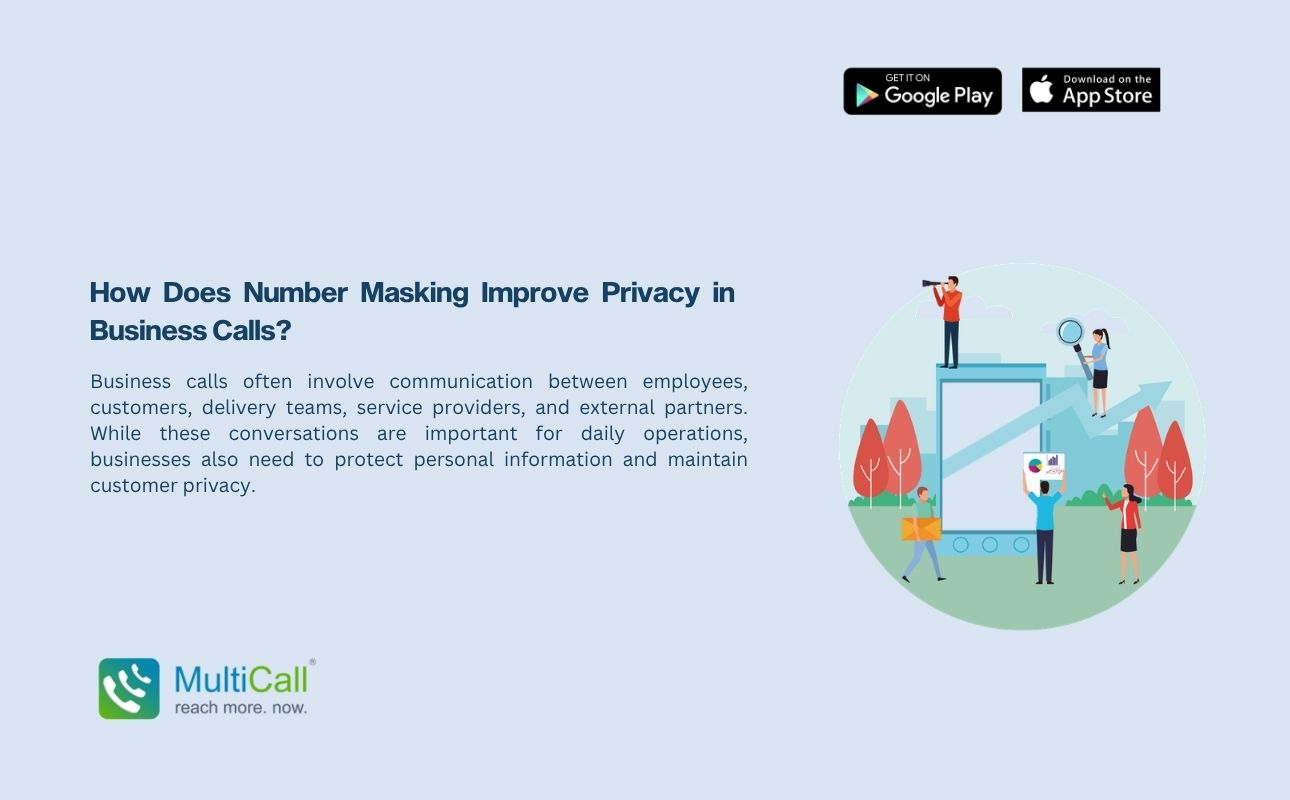
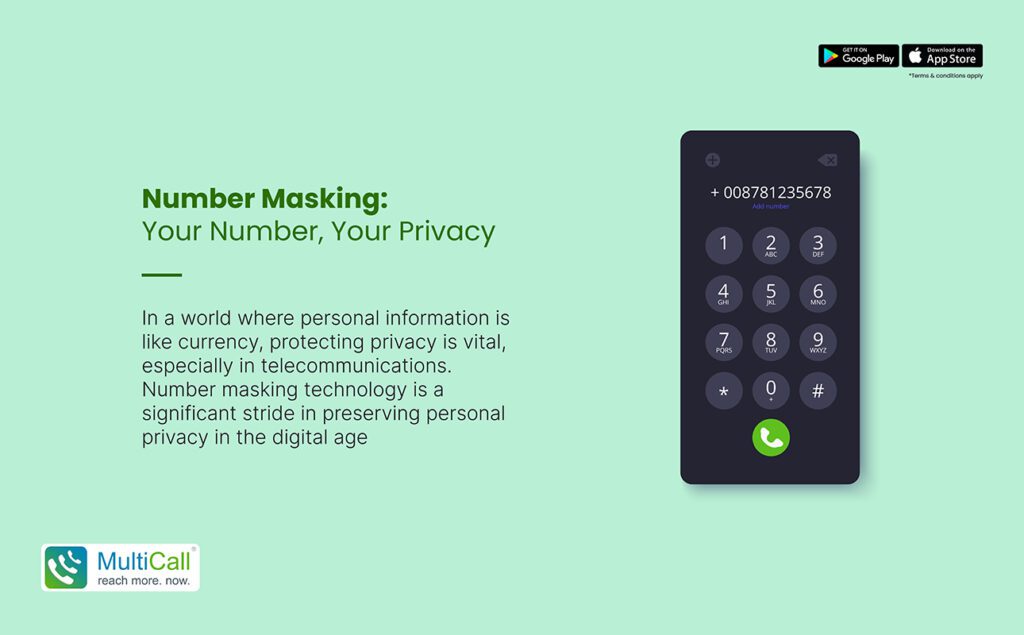
In an era where personal information is as valuable as currency, protecting one’s privacy becomes paramount, especially in telecommunications. Number masking technology emerges as a crucial tool in this context, offering a way to communicate without compromising personal phone numbers. This innovation is not just a feature; it’s a necessity in maintaining privacy in various communication scenarios.
Understanding Number Masking
Number masking, also known as call masking, involves hiding or anonymizing the real phone numbers of the parties involved in a call. It uses a temporary virtual number as an intermediary, ensuring that the actual phone numbers are not exposed to each other. This technology is vital in business transactions, customer services, and any situation where privacy needs to be upheld.
The Benefits of Number Masking
Applications of Number Masking
Implementing Number Masking
– Choose a Reliable Service Provider: Partner with a telecom service that offers robust and secure number masking technology.
– Integrate with Existing Systems: Seamlessly integrate number masking into your existing communication platforms or CRM systems.
– Educate Users and Employees: Make sure that all parties understand the use and benefits of number masking to ensure smooth adoption.
Conclusion
Number masking technology represents a significant step forward in protecting personal privacy in the digital age. By providing a secure way to communicate without sharing personal phone numbers, it upholds privacy, fosters trust, and maintains security in various communication contexts. In a world where data privacy is increasingly under threat, number masking stands out as a simple yet effective solution: your number, your privacy.

The problem is, when critical technology goes down, the communication channels IT teams depend on, such as VoIP, chat, or cloud-based services, often go with it.

MultiCall’s primary value proposition for NGOs lies in enabling HQ-foster connections with field-based teams through high-quality voice calls. Social projects are challenging in themselves; by facilitating multi-person calls in low-connectivity environments, MultiCall brings teams closer.

Large enterprises are all about collaboration. Enter MultiCall’s voice communication system that effortlessly connects multiple departments via unlimited group calling and smart scheduling.
Video conferencing often makes interdepartmental meetings inaccessible for many teams. When departments can’t meet without lags or face login issues and other video call mishaps, communication bottlenecks happen.

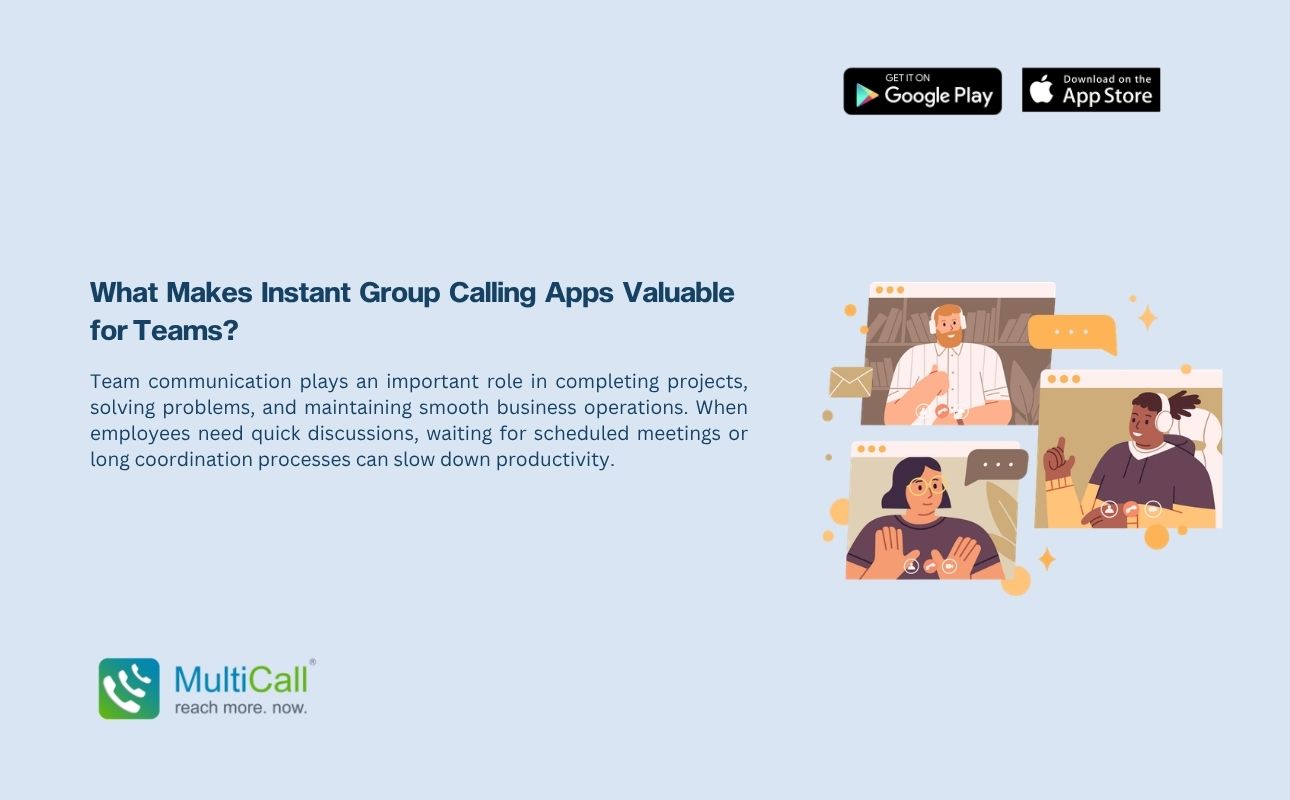
The MultiCall solution is centered around team calling. Group calls over voice make it possible for teams to coordinate schedules, share information, and discuss important topics. MultiCall enables users to connect in the fastest, most reliable, and most secure way possible.

It could be a village doctor trying to connect with a specialist in the city or a mobile medical team updating the hospital about their work. With MultiCall’s PSTN backbone, such calls go through with reliability, without needing high-speed data or Wi-Fi.

Efficiency equals profitability in business; central to that is communication. Countless organizations have miscalculated the cost of an unreliable phone or messaging application. Hours of delays, dropped calls, miscommunication, lost meetings, and disjointed coordination can translate into serious financial loss for an enterprise.
Communication has become less of an amenity and more of an investment. Enterprise voice communication software like MultiCall, with a complete solution for large teams, comes with a very clear and direct return on investment (ROI) through increased productivity, decreased downtimes, and operationally safeguarded communication.