



multicall

Mistakes to Avoid When Managing a Remote Team

Remote Team Management is no easy task. Besides minimal facilities due to work from home in CoViD, this can be worse especially if you are new to working with remote employees. It’s one thing to motivate remote employees on call, but what common mistakes should be avoided in managing a remote team?

A remote team is far different from a regular team. On that note, 5 critical mistakes to avoid when managing a remote team:

Managing Remote Teams with Poor Communication

Communication is the key to many of the basic functions of management, from the planning and organizing of outcomes, to motivating and controlling employees in the organization. Keeping the communication clear and concise would also help increase the group cohesiveness toward achieving a task.

 To manage remote teams with poor communication is a critical mistake when it comes to remote teams, with several consequences. With poor communication, the remote team is much more susceptible to an increased risk of errors that could occur during different tasks. It also leaves greater room for misunderstandings or misinformation.

 In other words you have a situation where no one knows what exactly should be done,  when it should be done, or even how! Communication is fundamental for proper organization, scheduling and allocation of tasks.

 Many processes need to be explained to employees, especially to the new members of your team. If nobody knows what to do and what others are doing, they will be demotivated to proceed with work. A regular briefing about everything is needed, while the team’s achievements to keep them going.

Micromanaging Remote Employees

We know micromanaging as a process where a manager may handle every minute aspect of a task that their employees do. Now in some cases, it can be extremely helpful considering that you want a certain finesse or perfection in the tasks involved. More often than not however, it is very annoying, and can lead to inefficiency and counter-productivity.

 Micromanaging your remote employees can leave them unhappy. Their perceived inability to perform anything without having to report to their manager every step of the way can leave them feeling miserable. This also may not give them enough time for other important tasks that require attention.

 In addition, they also may feel trapped due to perceived lack of creative control. This can also lead to some of them leaving your team. Rather than micromanage everything they do, giving the team a framework to use and allowing control over their workday would be more appropriate.

 MultiCall serves as a great tool for managers to communicate with their team for any needs. This is regardless of whether it is about efficiently allocating tasks for your team or instilling motivation and trust as the world struggles on in a time like this.

Irregularly updating on the news

Communication allows you to bring the team up to date on the latest developments, and to ensure situational awareness for everyone. Considering this, updating your team irregularly or worse, rarely, is one of the biggest mistakes while managing remote teams.

 It can leave your team confused when they find new requirements or developments that they haven’t heard of.  This can lead them to infer that you aren’t being transparent with them, significantly decreasing their trust in you as a result.

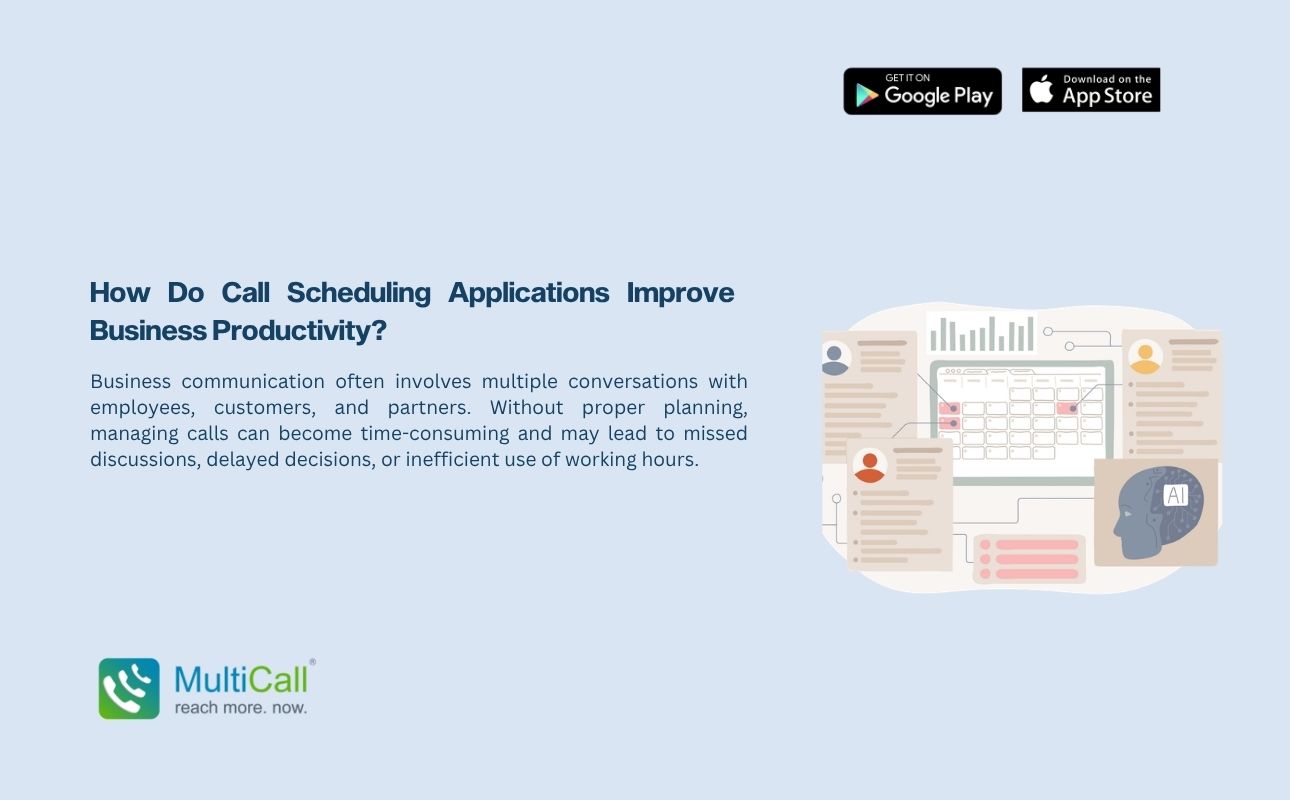
Sending regular updates via a given communication channel is essential. MultiCall’s Call Scheduling feature helps with this in multiple ways:

Managers can then select the date and the time at which they wish to execute the call to meeting with their team.

 Should they wish to repeat the call, they can choose between the options of Every Day, Every Week and Every Month.

Managing Remote Teams with No Goals or Expectations

Having no goals or expectations, in effect no aim, can easily destroy a team’s motivation. It’d in effect show no accountability not just as an effective manager, but also in the team’s talent as well.

The shift to remote work means that you have the leeway to reset your team’s expectations. This includes giving and receiving constructive feedback. Empathizing with them is key, too. You can ask, for instance, “What three things would you try to change if you were in my role?”.

Contact Form


apple-store-app
google-play-app

YOU MAY ALSO LIKE

communication

The Future of Business Communication Is Not Louder, It Is Clearer

In a world flooded with digital messages, notifications, and endless meetings, clarity has become more valuable than volume. Businesses no longer need louder communication or constant interruptions to get attention. The future lies in precise, efficient, and clear communication that helps teams understand priorities and act effectively.

Read More »
audio

Why Multi-Location Businesses Need Instant Audio Coordination

Businesses operating across multiple locations face unique communication challenges. Teams in different offices, cities, or even countries must stay aligned to maintain efficiency, meet deadlines, and serve clients effectively. Instant audio coordination provides a reliable solution that ensures seamless communication across all locations.

Read More »
audio

 How Audio Meetings Keep Teams Focused and Efficient

In fast-paced workplaces, distractions can slow progress and reduce productivity. Meetings are meant to align teams, share updates, and make decisions, but poorly managed sessions can waste time. Audio meetings provide a streamlined way to keep teams focused, engaged, and efficient.

Read More »
collaboration

Why Coordination Matters More Than Collaboration Tools

Many enterprises invest heavily in collaboration tools, expecting them to solve all communication challenges. While tools are helpful, coordination is what truly drives efficiency. Without clear coordination, even the most advanced platforms cannot ensure smooth workflows, timely decision-making, or productive teamwork.

Read More »
communication

 The Competitive Edge of Faster Internal Communication

In today’s fast-moving business environment, speed matters. Teams that communicate quickly can respond to challenges, seize opportunities, and make decisions before competitors. Faster internal communication gives enterprises a strategic advantage, improving collaboration and overall efficiency.

Read More »