



multicall

Managing a Crisis in 6 Steps

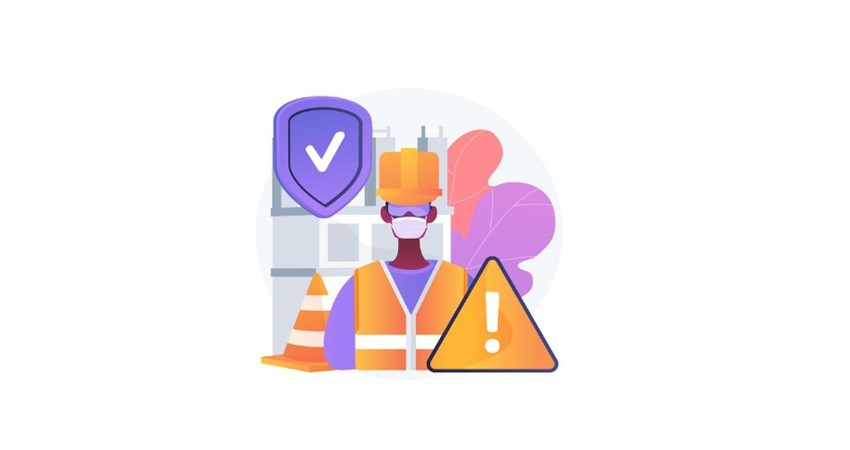
No organization is impregnable to a crisis. This day and age of the pandemic has certainly proven that. But besides this, companies are also always vulnerable to other forms of emergencies, be it a product’s server outage, cyber hacking, and so on. Hoping the problem goes away is not much of a solution.

Crisis management need not bemerely reactionary; it should be preventative and preparative in anticipation of potential emergencies as well. Effective crisis management allows the ability to greatly reduce the amount of damage the organization may suffer as a result of the crisis. Limiting potential damage in a crisis comes down to a few simple steps:

Anticipate emergencies

The first step is to prepare. As the old adage goes; ‘Fail to Prepare; Prepare to Fail’. It’s essential for effective conferencing to engage the participants, and to stay clear on the call’s agenda. Why should it be any the less necessary for crisis management?

As Murphy’s Law put it, “What can go wrong, will go wrong.” In anticipation of this, it’d be wise to be proactive and arrange an intensive brainstorming session to go through all the potential crises that could occur at your organisation.

This would require the right communication to do so as well, the likes of which MultiCall is. A group calling app dedicated to let you call many with the ease of calling one, its Call Scheduling system lets you plan your sessions ahead, both for date and duration as well.

Create and test response plans

However, situations aren’t just preventable only by modification of procedures and processes. The brainstorming process should lead to the creation of a crisis response plan as well. This needs to be tailored for your organisation, including both operational and communications components in order to maintain continuity.

Simply put, what will you do and what will you say when a crisis occurs? Of course, ensuring the messages contained in the crisis response plan are delivered effectively and efficiently, means that it needs to be tested.

This is where crisis training and simulations come in, as well as media training for those who could be giving statements and interviews. Most importantly, taking these steps will help ensure you can carry out your response plan in a real-life situation, not just in theory.

Set a crisis communication team

Like with preparation calling in the right people is just as essential to crisis management as it is to effective conferencing. A small team of senior executives needs to be set to serve as your company’s crisis communications team. This team’s critical objective will be to set the communications process for your business during a crisis, so as to maintain operational continuity.

MultiCall’s Call Monitoring feature lets you set Groups and Favourites, with the ability to select members directly from the contact list. Ensure that a clear process is created and communicated to staff. Reinforce said process via other communication channels such as newsletters, employee handbooks and intranet as well.

Establish monitoring systems

Word of Mouth is one of the most powerful marketing means that goes beyond a company’s actions. That said, it acts like a hammer. A highly useful tool, or as a weapon to destroy.

Knowing what’s being said about the company in traditional and social media, be it by employees, customers, or other stakeholders can let you to spot out a negative “trend” that could potentially turn into a crisis. The impact of a negative word about a company can potentially go all the way to a crash of stock prices in the market!

Likewise, monitoring feedback from stakeholders during a crisis situation allows you to adapt your strategy and tactics to overcome the problem. Furthermore, your company needs to have the means to reach the internal and external stakeholders as soon as possible. Once relevant groups are added, MultiCall can let you reach out immediately to whomever your wish. This is inclusive of its ability to add contacts and call instantly!

Contact Form


apple-store-app
google-play-app

YOU MAY ALSO LIKE

Why Do Financial Institutions Still Prefer Conference Calls for Sensitive Discussions?

Financial institutions operate in an environment where every conversation matters. Whether discussing investment strategies, regulatory updates, customer information, or internal business decisions, communication must be secure, reliable, and uninterrupted. While video conferencing platforms have become common for daily collaboration, many banks, financial firms, insurance companies, and investment organizations continue to rely on conference calls for sensitive discussions.

Read More »

How Can HR Teams Conduct Company-Wide Announcements Without Technical Issues?

Emergencies leave little room for delays. Whether it’s a system outage, a natural disaster, a cybersecurity incident, or an operational crisis, businesses must communicate quickly and clearly with employees, leadership teams, and key stakeholders. In these situations, the communication method itself can influence how effectively an organization responds.

Read More »

Is There a Better Alternative to Sharing Meeting Links for Business Calls?

Business meetings have evolved significantly over the years. While online meeting platforms have made remote collaboration easier, they have also introduced new challenges. Participants often struggle with expired meeting links, forgotten passwords, software downloads, and internet connectivity issues. These small obstacles can quickly turn into major productivity losses, especially when meetings involve clients, executives, or time-sensitive discussions.

Read More »

How Do Enterprises Keep Large Teams Connected During Network Disruptions?

Business operations don’t stop when the internet slows down or becomes unavailable. Organizations still need to coordinate with employees, update customers, make operational decisions, and respond to unexpected situations. During network disruptions, communication becomes even more important because delays can lead to missed opportunities, reduced productivity, and operational challenges.

Read More »

Can You Host a Secure Conference Call Without Downloading an App?

Businesses rely on conference calls to connect employees, clients, and stakeholders regardless of their location. However, many virtual meetings begin with familiar frustrations—downloading an application, creating an account, updating software, or troubleshooting technical issues. These delays can waste valuable time, especially when discussions are urgent.

Read More »