multicall

Making a Return to the Office Easy in 3 Steps

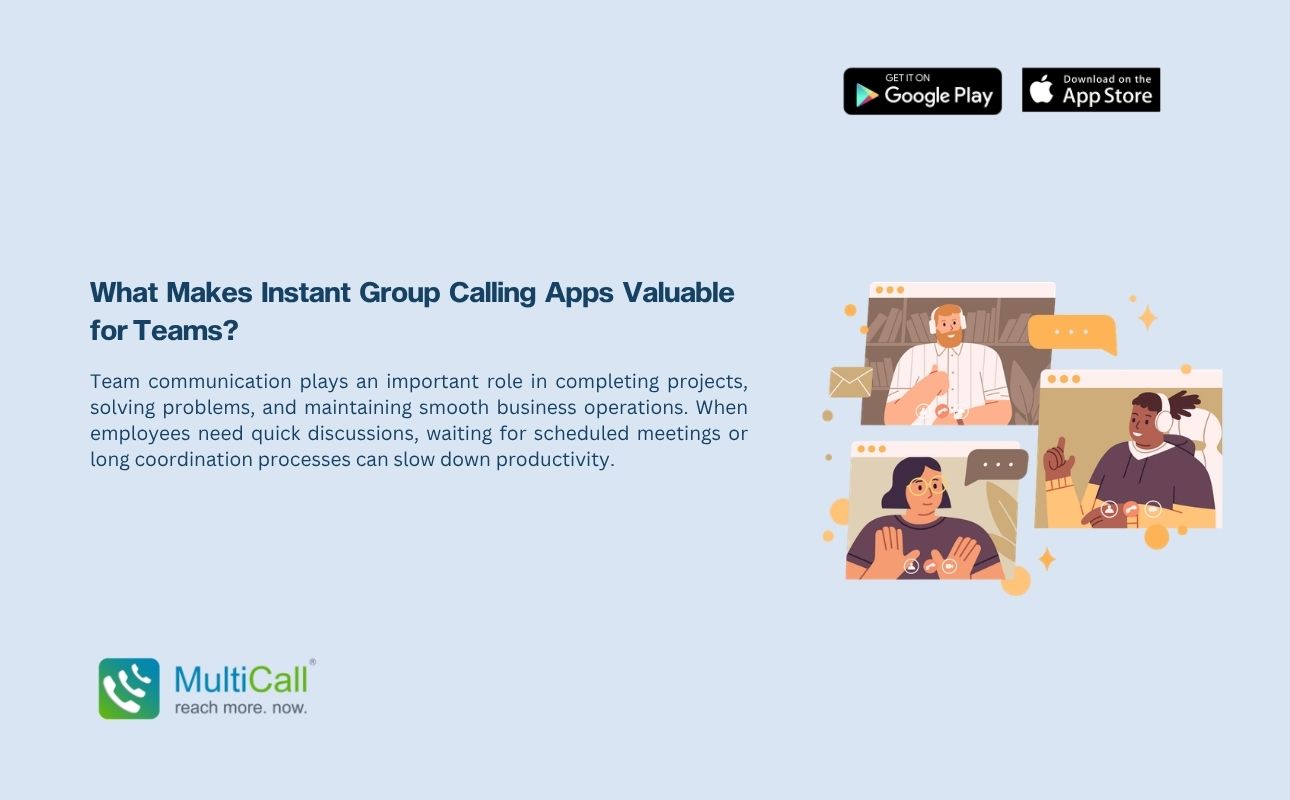
As the response to the pandemic improves, many companies have begun the decision-making on implementing a partial, perhaps full return to the office in a post-pandemic scenario. As a result, there typically tend to be two types of employee groups: those eager to return and those who aren’t. However, it’s also necessary to understand the possibility that some of the people who want to return to a shared workspace feel uncomfortable about doing so.


Even as the danger of the crisis has passed, the health concerns or the family or economic situations that have cascaded as a result don’t, at least not immediately. It doesn’t mean they won’t resume working, or meeting with their teams face-to-face, but it does mean that there would be a phase during which they may exhibit variability in their energy, and attention. We all do have our good and bad days. But in a business context, a prolonged period of bad days can be difficult to handle. There are four things that managers can to assist their teams in the transit back to office.

Emphasize heavily on communication

Normally, people perform better they are reliably stable; that is to say, free of frequent distractions and changes. This is more so applicable, in a post-pandemic scenario, when employees would be desiring the hard facts and reassurance about the continuity of their work.

For example, prior to an office return, managers may have to provide revised information about the new safety protocols in place, as well as their expectations about what the return would be like.  But besides sanitary protocols, employees also may be unsure of how the new organizational dynamics are, specially in cross-functioning teams.

Having a review call allows you to take an objective view on this, and even incentivizes you to be proactive with future aspects and their planning. Being objective, however, means having an aim. This accordingly means having a timeframe and a tool to enforce it with.

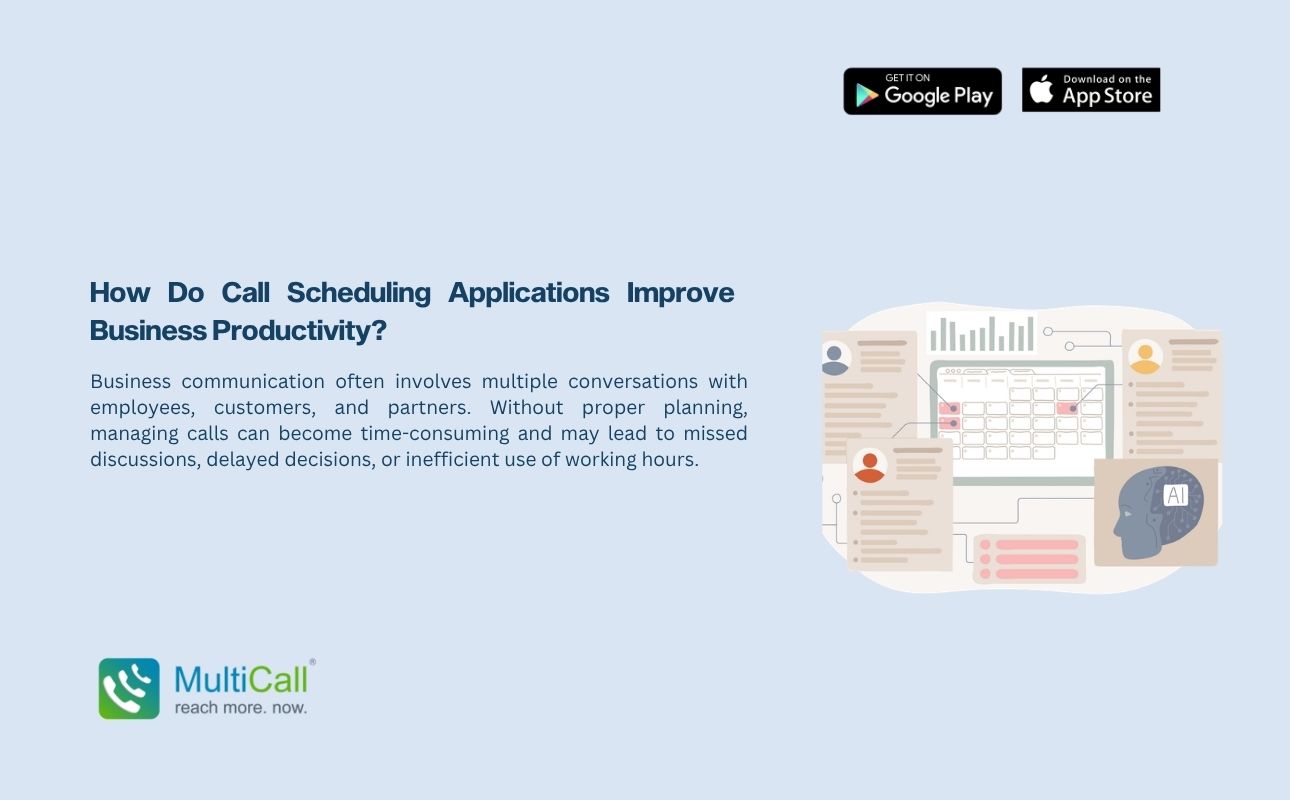
One such tool to help you with this case is MultiCall, a group calling app dedicated to let you call many with the ease of calling one.  MultiCall’s Call Scheduling assists in helping set up the meeting, not just in setting the date and time with the necessary team members, but in its ability to set the meeting to recur and auto-initiate the call as well.

Allow people to share their concerns

In stressful times, people can benefit from sharing their experiences with the team around them. Listening, especially active, intent listening is extremely valuable in helping people transit smoothly after disruptive events With MultiCall, it’s possible for managers to set this stage. Prior to calls, managers can set up groups that have similar issues to share. They can also use Call Monitoring and call out people one-on-one to share their concerns, suggest changes, and feel a sense of reassurance.

Facilitate interpersonal connections

It’s not abnormal to feel completely disconnected from others. After more than a year of working from home, the prolonged social distancing has created that disconnection for many people from their peers. But beyond being a personal issue of emotional health, it also translates toward one’s performance at work, since human connection is key to people’s tolerance of stress and recovery from the same.

Multiple individuals reconsidered goals and priorities during the pandemic. Studies showed 1 in 4 people considering leaving their job, and 48% displaying a preference toward a hybrid model. Interpersonal connections are central to the individual’s job perception. But of course, these connections are organic. One simply cannot force friendships!

Contact Form


apple-store-app
google-play-app

YOU MAY ALSO LIKE

video fatique

The Truth About Video Fatigue in Corporate Teams

In recent years, video meetings have become a standard part of corporate communication. While they offer visual interaction and engagement, they also bring a growing challenge known as video fatigue. Many employees experience exhaustion after long hours of video calls, which directly affects productivity and focus. Understanding this issue and finding better alternatives is essential for modern businesses.

Read More »
communication

 Why Businesses Should Rethink Their Communication Strategy

Communication is at the core of every business operation. From internal coordination to client interactions, the way a company communicates directly impacts its productivity and growth. However, many businesses continue to rely on outdated or fragmented communication methods that no longer meet modern demands. This is why rethinking communication strategy has become essential.

Read More »
communication breakdown

How Enterprises Can Avoid Communication Breakdowns

Communication is the foundation of every successful enterprise. When communication flows smoothly, teams stay aligned, decisions are made quickly, and operations run efficiently. However, when communication breaks down, it can lead to confusion, delays, and costly mistakes. For large enterprises, avoiding these breakdowns is essential to maintain productivity and performance.

Read More »
audio

Why Reliable Audio Infrastructure Is a Competitive Advantage

In today’s competitive business environment, communication is not just a support function, it is a strategic advantage. Companies that communicate faster, clearer, and more reliably often outperform others. While many organizations focus on tools and platforms, the real strength lies in having a reliable audio infrastructure that supports seamless communication at all times

Read More »
group calls

When Every Second Counts: The Power of Instant Group Calls

In today’s fast moving business environment, speed plays a critical role in success. Whether it is handling urgent issues, making quick decisions, or coordinating teams, every second matters. Delays in communication can lead to missed opportunities, operational disruptions, and reduced productivity. This is where instant group calls become a powerful solution for businesses.

Read More »
communication

What Real-Time Communication Looks Like in Large Enterprises

Large enterprises operate in complex environments where multiple teams, departments, and locations must work together seamlessly. In such settings, real time communication is not just an advantage, it is a necessity. It ensures that information flows quickly, decisions are made efficiently, and operations continue without disruption.

Read More »