REDUCING DOWNTIME: MULTICALL AS A BACKUP COMMUNICATION CHANNEL FOR IT TEAMS
The problem is, when critical technology goes down, the communication channels IT teams depend on, such as VoIP, chat, or cloud-based services, often go with it.
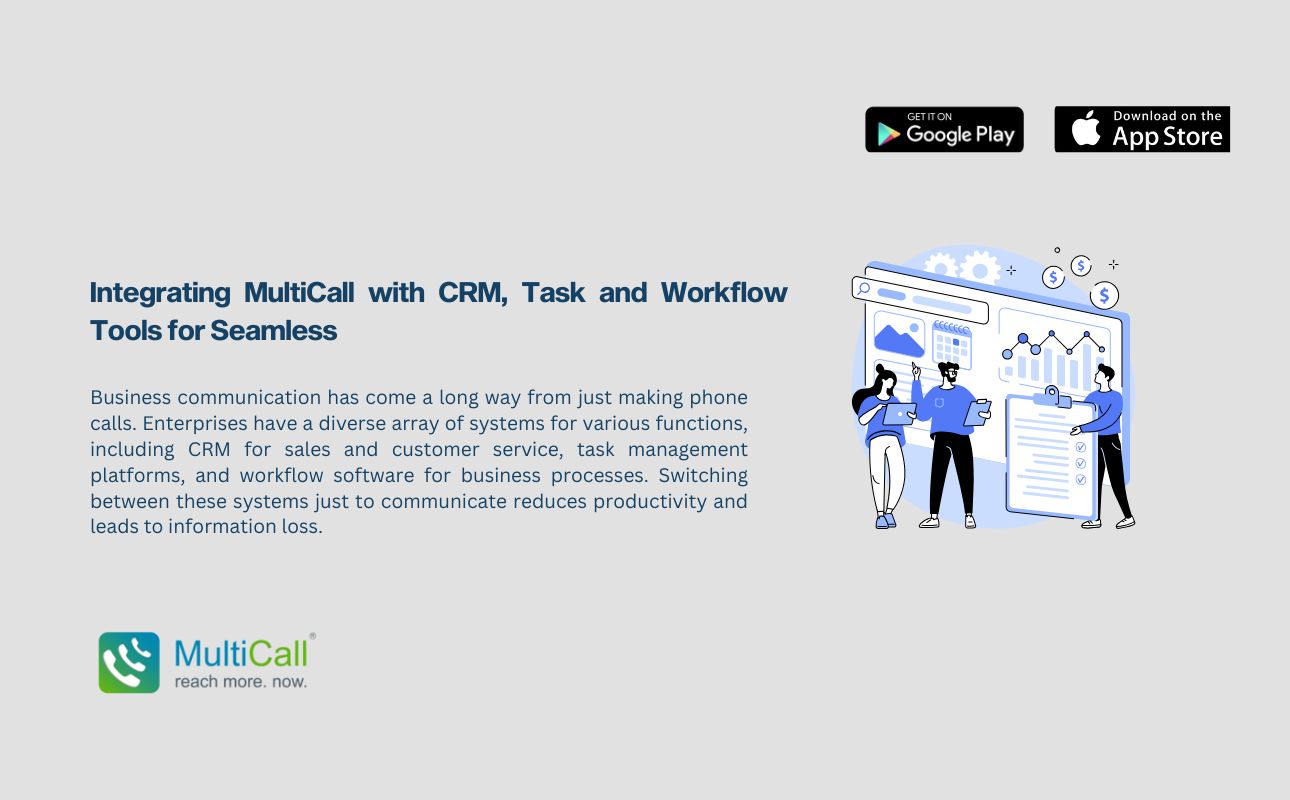
Business communication has come a long way from just making phone calls. Enterprises have a diverse array of systems for various functions, including CRM for sales and customer service, task management platforms, and workflow software for business processes. Switching between these systems just to communicate reduces productivity and leads to information loss.
CRM systems are used across sales, support, and account management teams to keep customer interactions organized and productive. Integrating MultiCall with your CRM brings multiple advantages.
This makes sure that communication is aligned with specific tasks or deliverables, reducing time and preventing information loss.
 MultiCall integration with these tools makes collaboration natural, fast, and without any disruption in the existing workflow.
The integration of MultiCall helps remove friction from otherwise rigid workflows and prevents project bottlenecks, allowing teams to meet deadlines faster.
Integrating MultiCall into CRM systems, task management, and workflow software offers several significant benefits:
The future of communications is in connected ecosystems, where all tools seamlessly interoperate to minimize silos and keep information flowing as seamlessly as tasks or customer data. MultiCall’s commitment to integration places it as a critical enabler of this future.
Organizations that integrate with MultiCall can stay on the same page, address issues before they become problems, and be more productive at all levels. For larger organizations looking to get the biggest return on their communication investments, the ability to integrate MultiCall with other tools they are already using is not just a ‘nice-to-have’ feature; it’s a requirement. Call us today to gather more details.

The problem is, when critical technology goes down, the communication channels IT teams depend on, such as VoIP, chat, or cloud-based services, often go with it.

MultiCall’s primary value proposition for NGOs lies in enabling HQ-foster connections with field-based teams through high-quality voice calls. Social projects are challenging in themselves; by facilitating multi-person calls in low-connectivity environments, MultiCall brings teams closer.

Large enterprises are all about collaboration. Enter MultiCall’s voice communication system that effortlessly connects multiple departments via unlimited group calling and smart scheduling.
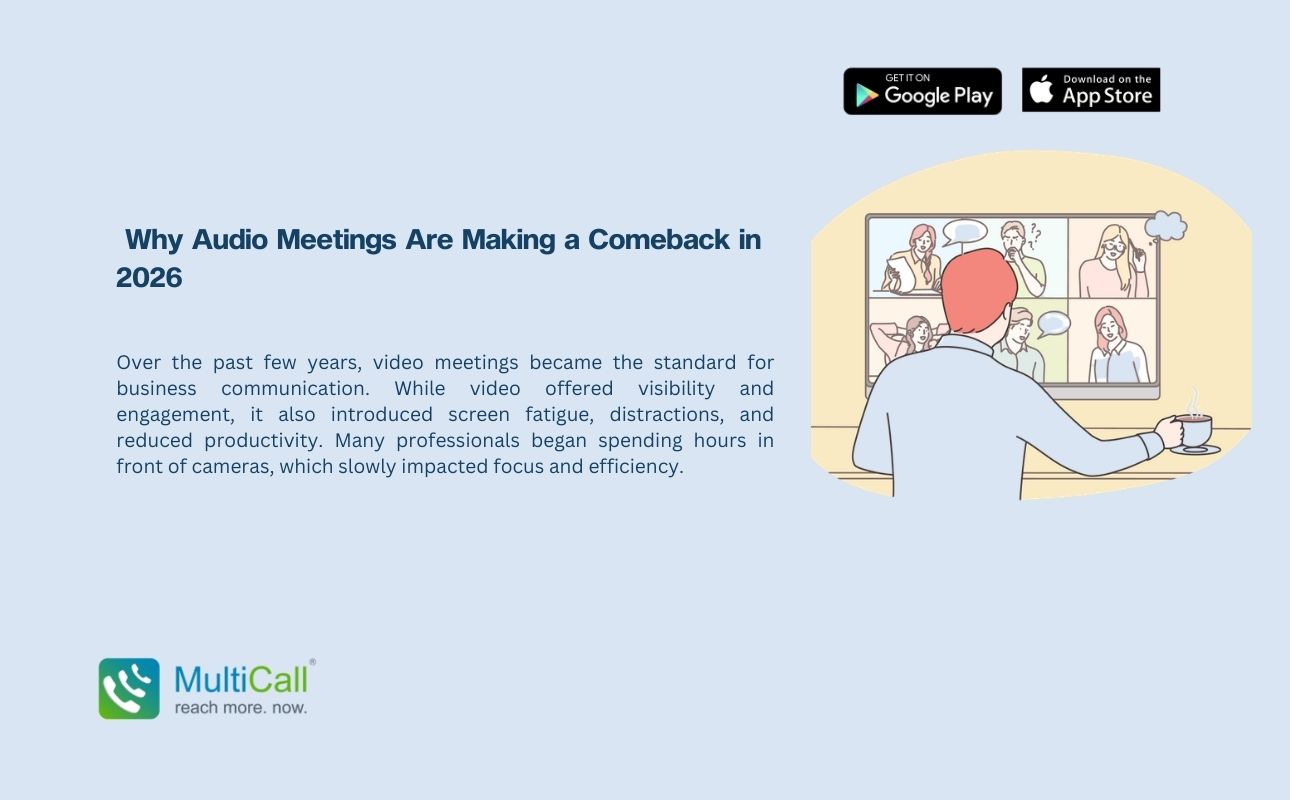
Video conferencing often makes interdepartmental meetings inaccessible for many teams. When departments can’t meet without lags or face login issues and other video call mishaps, communication bottlenecks happen.

The MultiCall solution is centered around team calling. Group calls over voice make it possible for teams to coordinate schedules, share information, and discuss important topics. MultiCall enables users to connect in the fastest, most reliable, and most secure way possible.

It could be a village doctor trying to connect with a specialist in the city or a mobile medical team updating the hospital about their work. With MultiCall’s PSTN backbone, such calls go through with reliability, without needing high-speed data or Wi-Fi.

Efficiency equals profitability in business; central to that is communication. Countless organizations have miscalculated the cost of an unreliable phone or messaging application. Hours of delays, dropped calls, miscommunication, lost meetings, and disjointed coordination can translate into serious financial loss for an enterprise.
Communication has become less of an amenity and more of an investment. Enterprise voice communication software like MultiCall, with a complete solution for large teams, comes with a very clear and direct return on investment (ROI) through increased productivity, decreased downtimes, and operationally safeguarded communication.