multicall

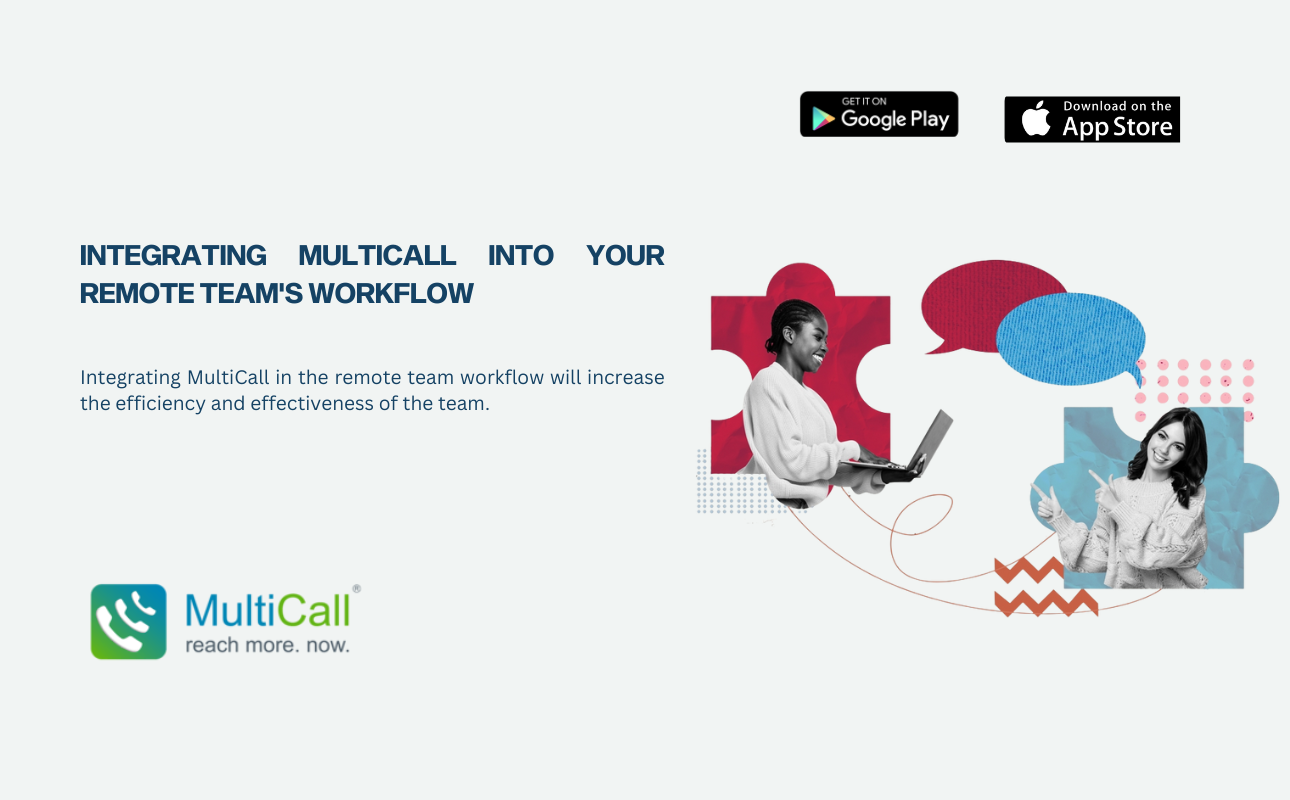
INTEGRATING MULTICALL INTO YOUR REMOTE TEAM'S WORKFLOW

MultiCall is an option as it works differently from any other phone app in the market. Most communication platforms use VoIP technology to transfer audio and video data via the internet. With MultiCall, your calls are placed over regular telephone lines for higher quality without apps, links, or internet data.


In this post, you’ll discover different use cases of MultiCall and practical tips on how to use it in your remote team workflow.

  1. Start and Join a Group Call Without Apps or Links


In most team workflows, a call requires:


  • Access to a shared link or number


  • Log in to a VoIP app.


  • Download and launch the app on a phone.


  • Following the instructions to join the meeting


Setting this up every time is time-consuming. More so for remote team members who are not tech-savvy or working in low-bandwidth regions.


The MultiCall advantage:


  • No app download or login is required to join a call.


  • Users do not need to access any links or share their numbers.


  • A call is automatically made to each team member at the pre-specified time.


Add your remote team’s contact numbers and save groups in MultiCall’s dashboard or mobile app. Your team lead or project manager can then schedule a daily standup or weekly planning session. Calls will be made to the entire team within seconds, without any extra steps required.


  1. Connect with Team Members in Low Network Zones


In low-network locations, audio and video call quality with other phone apps is poor. Bandwidth limitations are common problems that hamper VoIP calls. It can lead to the following:


  • Call dropouts


  • Frozen screens


  • Pixelated video feeds


  • Delayed audio


  • Unaudible conversation


Calls become impossible to manage, especially for group communication. MultiCall calls work over the phone network and not the internet.


The call quality is not affected by slow Wi-Fi or spotty mobile data. HD audio clarity can be maintained on all devices.


Team members working in remote locations, such as field staff, interns, or regional team leads, can use MultiCall for important updates and group brainstorming. They no longer need to worry about network issues.


  1. Make Remote Onboarding and Training Easier


Remote onboarding often involves a series of calls for introductions, taking a new hire through company tools and policies, as well as training on role responsibilities. This often gets dispersed across multiple platforms.


With MultiCall, you can conduct group calls for multiple new hires. Assign a group to each batch of new hires and use MultiCall to give each a call slot. All new members can get onboarded in a single session without the confusion of links and login delays.


  1. Use for Crisis Management and Ad-Hoc Collaboration


Remote teams often face critical updates that need immediate collaboration. In such cases, setting up a video call is a hassle and often takes a lot of time.


MultiCall makes it easy connect a pre-defined group of team members with a single tap. It can ring all participants instantly, without any pre-join prep work. Isolate voice conversations for emergencies, ad-hoc task forces, or urgent decisions.


Conclusion


MultiCall addresses these challenges by consolidating team communication and restoring reliable audio quality. From growing startups to distributed teams in large enterprises, MultiCall is ready to be integrated into your workflows to help your teams collaborate better. Get in touch with us today to access the best remote team call service.

Contact Form


apple-store-app
google-play-app

YOU MAY ALSO LIKE

collaboration

The Future of Enterprise Collaboration Is Simpler Than You Think

Enterprise collaboration has evolved significantly over the years. From long email threads to complex project management tools, businesses have continuously tried to improve how teams work together. However, as systems become more advanced, they often become more complicated. The future of collaboration is not about adding more layers, but about simplifying communication to make it faster, clearer, and more effective.

Read More »
audio

Why Crisis Communication Needs Voice, Not Text

In times of crisis, communication becomes the most critical factor in managing situations effectively. Whether it is an operational issue, a service disruption, or an internal emergency, the way information is shared can determine how quickly and efficiently the problem is resolved. While text based communication has its place, voice communication proves to be far more reliable and impactful during high pressure situations.

Read More »
productivity

The Silent Killer of Business Productivity: Poor Coordination

In many organizations, productivity issues are often blamed on workload, lack of resources, or tight deadlines. However, one of the most overlooked factors is poor coordination. When teams are not aligned, even simple tasks can become complicated, leading to delays, confusion, and reduced efficiency. This silent issue can slowly impact overall business performance if not addressed properly.

Read More »
multicall

  How Audio-First Communication Reduces Decision Fatigue

Decision fatigue happens when individuals are required to make too many choices in a short period of time. In business environments, this often comes from constant messages, emails, and multiple communication tools demanding attention. Over time, this overload reduces the ability to think clearly and make effective decisions. A simpler communication approach can help reduce this mental strain

Read More »
multicall

 The Problem With Too Many Tools in Enterprise Communication

Modern enterprises often adopt multiple tools to manage communication across teams. From chat apps to emails and various platforms, the intention is to improve efficiency. However, using too many tools can create confusion instead of clarity. Employees may struggle to keep track of conversations, leading to missed information and reduced productivity.

Read More »
multicall

 Why Leaders Prefer Voice Over Messaging During High-Stakes Decisions

High-stakes decisions require complete clarity and confidence. Leaders cannot afford misunderstandings or delays when making important choices that impact the business. Messaging platforms may seem convenient, but they often lack the depth needed for complex discussions. Voice communication allows leaders to explain ideas clearly, ensuring that every detail is understood. With Best Audio Conferencing Apps, leaders can connect instantly and communicate with precision during crucial moments.

Read More »