How Can Businesses Improve Attendance for Important Conference Calls?
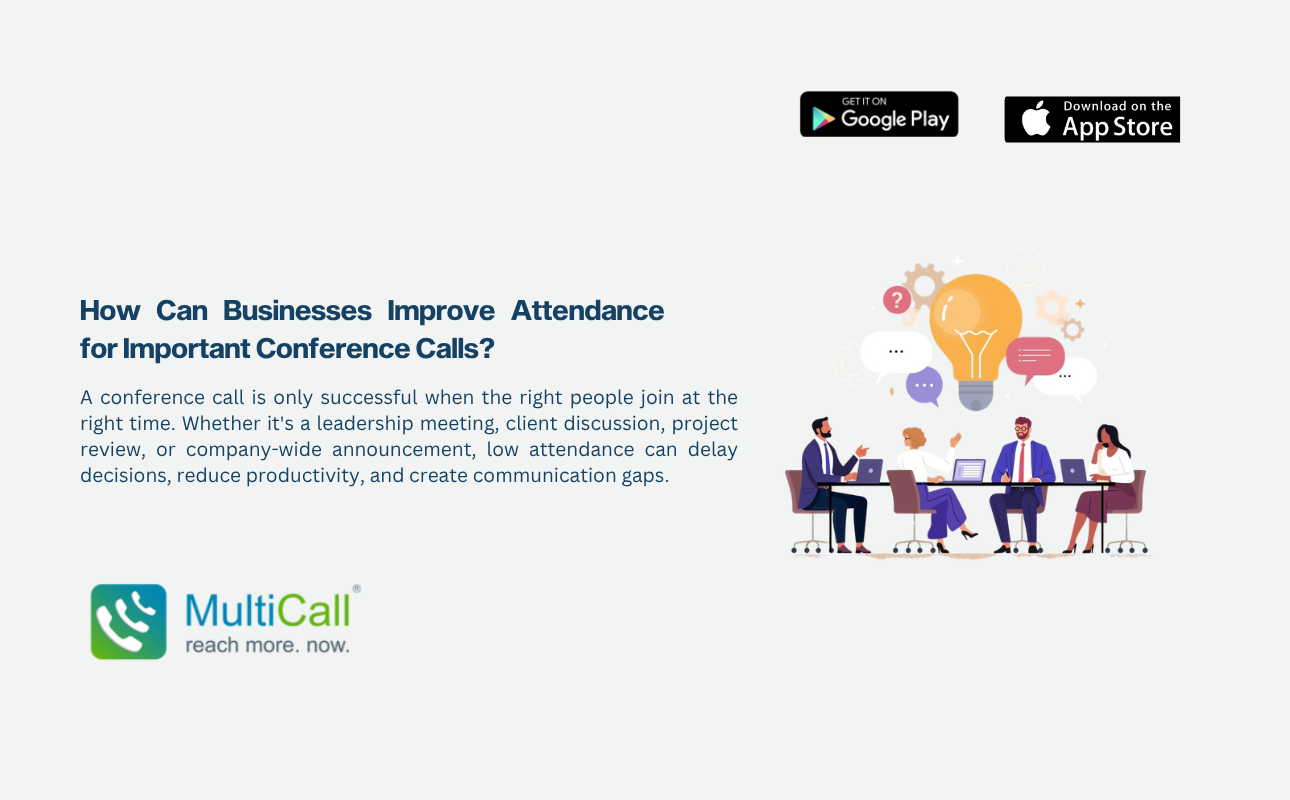
A conference call is only successful when the right people join at the right time. Whether it’s a leadership meeting, client discussion, project review, or company-wide announcement, low attendance can delay decisions, reduce productivity, and create communication gaps.
Many organizations assume employees or clients miss meetings because they’re too busy. In reality, attendance often suffers because of technical challenges, scheduling conflicts, or complicated joining processes. By simplifying the way participants connect and preparing meetings effectively, businesses can significantly improve attendance and make every conference call more productive.
Make Joining the Meeting Effortless
One of the biggest reasons participants miss conference calls is because the joining process is too complicated. Searching for meeting links, downloading applications, entering passwords, or troubleshooting software can discourage attendees from joining on time.
Using Easy Dialing Solutions allows participants to join a conference call simply by answering a phone call. This eliminates unnecessary steps and helps meetings begin without technical delays.
The simpler the process, the higher the participation.
Schedule Calls at the Right Time
Timing plays a major role in attendance. Scheduling meetings during lunch hours, outside business hours, or when employees are occupied with important tasks can reduce participation.
Businesses should:
- Consider different time zones for distributed teams.
- Avoid scheduling meetings during peak work periods.
- Share meeting schedules well in advance.
- Keep meeting durations realistic.
Using Call Scheduling Applications makes it easier to organize meetings, send timely notifications, and ensure participants are prepared before the call begins.
Send Clear Meeting Invitations
Employees and clients are more likely to attend a meeting when they understand its purpose.
Every meeting invitation should include:
- The meeting objective
- Date and time
- Expected duration
- Key discussion topics
- Important participants
Clear communication helps attendees understand why their participation matters and encourages them to prioritize the meeting.
Reduce Technical Barriers
Technical issues remain one of the most common reasons for delayed or missed conference calls.
Businesses can improve attendance by choosing communication platforms that require minimal setup. Participants shouldn’t have to install software, update applications, or create accounts before joining an important discussion.
A reliable voice conferencing solution allows attendees to connect quickly without unnecessary technical complications, creating a smoother meeting experience.
Make Meetings More Valuable
People are more likely to attend meetings that provide value.
Before scheduling a conference call, ask:
- Is this meeting necessary?
- Can decisions be made during the call?
- Will every participant contribute?
- Is the agenda focused?
Well-organized meetings build trust and encourage employees to participate in future discussions.
Reach Employees Wherever They Are
Modern workforces are no longer limited to office environments. Employees may be working remotely, traveling, visiting clients, or operating from field locations.
A communication solution that supports Group Calling Without Internet enables participants to join using traditional phone networks instead of relying entirely on mobile data or Wi-Fi.
This flexibility improves accessibility and ensures employees can participate regardless of their location.
Keep Participants Engaged
Attendance doesn’t end when participants answer the call. Keeping everyone engaged throughout the discussion is equally important.
Meeting organizers should:
- Start on time.
- Follow a structured agenda.
- Encourage participation.
- Keep discussions focused.
- Summarize key decisions before ending the call.
Short, organized meetings are more productive and encourage better participation in future conference calls.
Use Reliable Communication Tools
Choosing the right conferencing platform directly affects attendance.
Businesses need solutions that offer dependable call quality, simple access, and minimal technical interruptions. A reliable Group Calling App allows participants to join quickly while reducing the likelihood of missed or dropped connections.
When employees trust the communication platform, they are more likely to attend meetings consistently.
Follow Up After the Meeting
Not everyone will be able to attend every conference call. Sharing meeting summaries, action items, and important decisions helps absent participants stay informed while reinforcing the importance of future attendance.
Following up also creates accountability and ensures business activities continue without confusion.
Conclusion
Improving attendance for conference calls isn’t just about sending reminders—it’s about creating a communication experience that’s simple, reliable, and convenient for every participant.
By using Easy Dialing Solutions, Call Scheduling Applications, Group Calling Without Internet, and a dependable Group Calling App, businesses can reduce technical barriers and encourage higher participation across every meeting.
With MultiCall, organizations can host conference calls that are easy to join, reliable to manage, and designed to keep teams connected. Better attendance leads to better collaboration, faster decision-making, and more productive business communication.