

multicall

Email vs Face-to-Face vs Call: What to Use When?

A meeting that instead could have been a call. A call that instead could have been an e-mail. An e-mail that instead could have been a quick heads-up face to face. You probably have gone through these thoughts at some point in the workplace.

The advent of technology has revolutionized how we communicate with one another. It has made communication more efficient and simpler, but used incorrectly, it may result in the defeat of its own purpose. Here’s the good news; it doesn’t have to be that hard!

Deciding whether to use email, phone calls, or face-to-face communication, comes down to two questions:

  What is the nature of the subject you’re about to discuss?
 Email would be the best choice if it is specific or edifying. If you are dealing with complex details or dealing with a sensitive topic, then a phone call or face-to-face would be the best choice.

What type of response do you need?

If something is not urgent but needs attending, an email will suffice. But if it’s an elaborate answer you need, you’d be better off a phone call or face-to-face communication.

Let’s have a look at each communication medium.

Email

By average we receive 122 business emails per person per day, making it no surprise that emailing has become a staple way to communicate with people at work. For sensitive matters, it is easy to take cover behind a screen after delivering the needful. But the risk of misinterpretation, and/or lack of due deliberation can be detrimental to your business relationships, damaging them in the process.

Bearing this in mind, emailing is most effective in the following cases:

You are providing directional, important, or timely information.

You are sharing detailed information and data, which likely is sensitive/confidential.

You are ensuring there is a record of communication. This includes follow-up confirmations to some other means already used, such as a call.

You are directing someone to a source for more information, having to provide online links in the process.

Provide a brief status update

It is essential to optimize the use of emails toward effective communication. Emails that are unclear, or misleading can risk a loss in productivity. It also can hurt one’s reputation by leaving a bad impression on whomever will be receiving it.


Face-to-Face Communication

Virtual communication has become prevalent; more so with the pandemic having accelerated its use due to prolonged remote working. Communication via phone or email can be more convenient, but for many, direct face-to-face communication sometimes remains the preferred method of communication. Face-to-face communication is particularly effective when:

You’re clarifying something: Due to the conversational nature of this communication, each person can obtain clear answers in a quick manner in addition to gaining more information from asking questions.

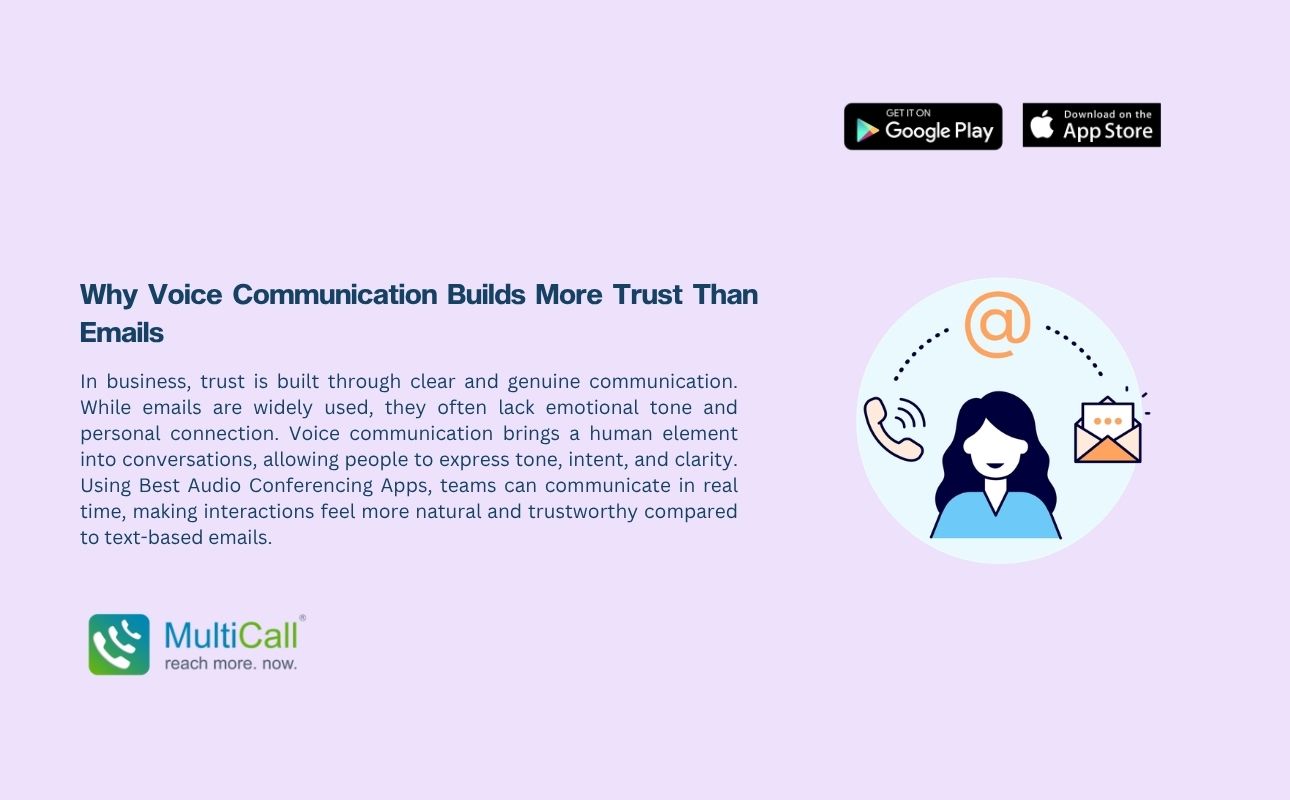
You’re building relationships: Face-to-face communication helps develop trust between two people. Behind every action, you have a face that you rely on for it. This is especially important when building relationships, which in general are essential for future communication, and are difficult to form through text on a computer or merely by call.

You’re having hard conversations: Face-to-face communication is important when having tough talks, as it’s the most direct line of defence in ensuring that the problem is fully solved. By having a tough conversation virtually, meanings can get “lost in translation” leading to the problem still not getting solved or worsening it.

Calls

Face-to-face communication is one of the most effective ways of communicating but it requires users to coordinate a location. Services have evolved to be low-cost, dependable and innovative, leading businesses to utilize this means to the best of their abilities. Communicating through phone calls requires less effort and is perfect for the following situations:

Time: Calling an individual is efficient and effortless for communicating within an organization. One has the ease of back-and-forth communication without being constrained by any form time restrictions.

Message: During physical conversations, aspects like tone can be suggestive of the speaker’s intentions. Understand the tone of an individual is important, to prevent any confusion in the messages being conveyed.

Personalization: Phone calls allow people to get an idea of the etiquette and character of the person on the other line. Interviews and meetings especially, are starting to be conducted over the phone.

For a workplace context in which calls happen on a regular basis, setup of a tool to act as a regular channel for this becomes a requirement.  One such tool to help you with this case is MultiCall, a group calling app dedicated to let you call many with the ease of calling one.

MultiCall’s Call Scheduling assists in helping set up the meeting, not just in setting the date and time with the necessary team members, but in its ability to set the meeting to recur and auto-initiate the call as well. It’s Call Monitoring feature also lets you ensure you have called in everyone you need to.

Related: Using MultiCall – Everything You Need To Know – MultiCall

Knowing when to choose between email, face-to-face, and phone communication is essential since each method can be better than the others in certain situations. Communication is very important, especially among businesses, because it allows for information to be exchanged so that both parties can progress. The differences in channels can determine whether a message is conveyed properly and followed.

Contact Form


apple-store-app
google-play-app

YOU MAY ALSO LIKE

The Future of Corporate Communication: How MultiCall is Leading the Charge

In the contemporary business landscape, effortless exchange of information is vital for achievement. With workforces increasingly spread out globally, older ways of communicating aren’t enough anymore. Organizations require dependable, adaptable, and safe tools to facilitate easy teamwork. This necessity has spurred the development of sophisticated systems such as MultiCall, which merges cutting-edge capabilities for both sound and visual meetings to define the way companies interact in the future

Read More »

Enhancing Customer Support with MultiCall’s Integrated Communication Tools

Customer support plays a vital role in shaping how customers feel about a business. Quick responses, clear communication, and easy access to support teams can make a big difference. For businesses handling multiple customer queries every day, audio-based group calling has become a reliable and practical solution. MultiCall helps customer support teams manage conversations smoothly using powerful, audio-only communication tools.

Read More »

The Power of PSTN-Based Calling Services for Reliable Corporate Communication

Why Reliability Is Key in Corporate Communication
In any professional setting, clear and trustworthy exchange of information is vital. The dependability of communication methods can directly influence choices made, how teams work together, and the general success of the enterprise. As companies grow and interact across various sites, selecting communication systems that are sound and avoid problems like subpar sound, dropped calls, or service outages grows crucial.

Read More »

Driving Seamless Collaboration Across Teams: The Power of Call Scheduling and Management

The Growing Need for Structured Team Communication
In the briskly moving modern business environment, where dispersed teams, joint efforts across functions, and varying time zones are increasingly standard, fluid dialogue is vital for achieving positive outcomes. Nevertheless, overseeing several groups spread out in distinct places can present difficulties, particularly regarding arranging gatherings and confirming every attendee is ready and set.

Read More »

How MultiCall is Simplifying International Business Communication with PSTN Calling

The Growing Need for Reliable Global Communication
Amidst our globally linked environment, enterprises increasingly depend on cross-border interaction to broaden their scope, oversee worldwide workforces, and support patrons across different regions. Although electronic mail and chat software offer ease, they frequently prove inadequate for nurturing immediate conversations, resolving issues, and making choices. Established telephone networks or online platforms can bring obstacles like subpar audio, dropped connections, and worries about safety.

Read More »