How Audio-First Communication Reduces Decision Fatigue
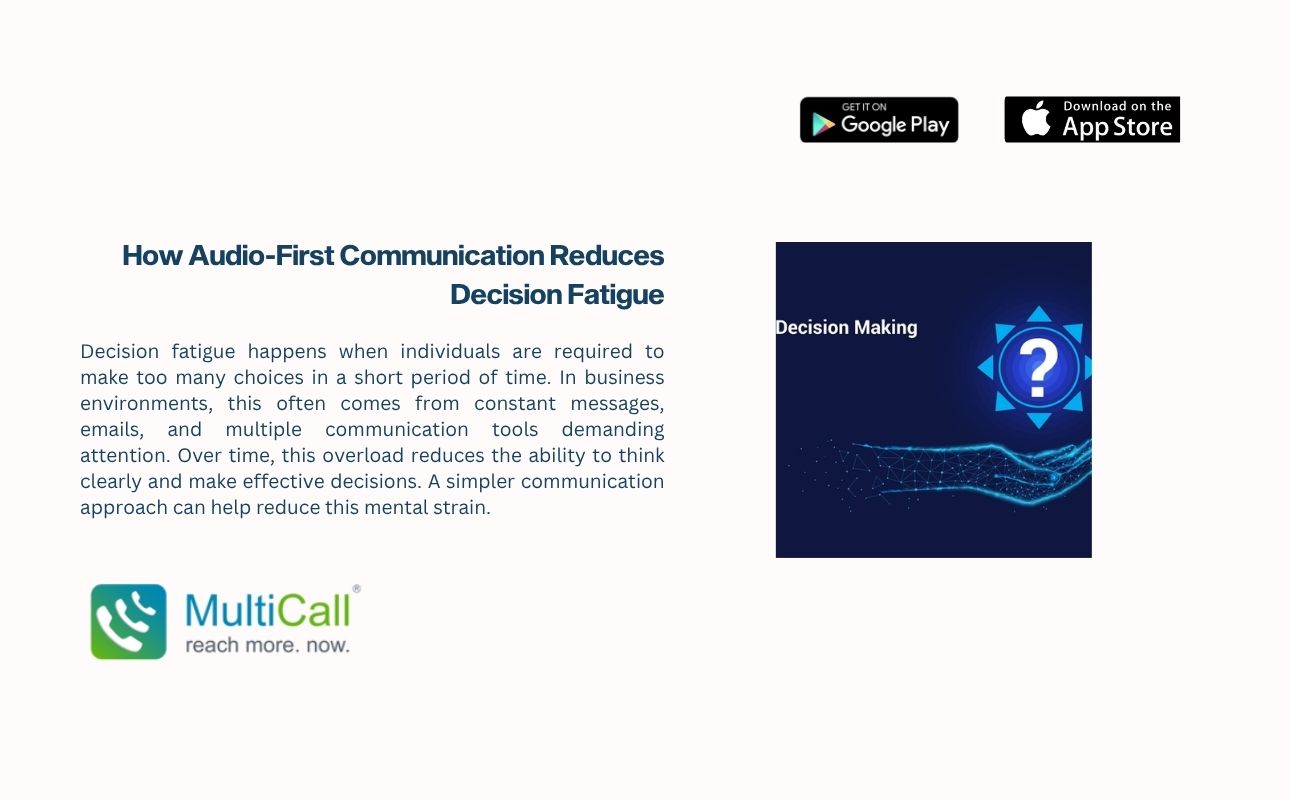
Decision fatigue happens when individuals are required to make too many choices in a short period of time. In business environments, this often comes from constant messages, emails, and multiple communication tools demanding attention. Over time, this overload reduces the ability to think clearly and make effective decisions. A simpler communication approach can help reduce this mental strain.
The overload caused by constant messaging
Messaging platforms may seem efficient, but they often create a continuous flow of notifications and fragmented conversations. Employees are forced to switch between chats, emails, and tools, which increases cognitive load. This constant interruption makes it difficult to focus on important decisions. Audio-first communication reduces this overload by bringing discussions into a single, focused interaction.
Real time clarity reduces mental effort
When teams communicate through voice, they can exchange information clearly and instantly. There is no need to interpret tone or re-read messages multiple times. With Best Audio Conferencing Apps, conversations become more direct and easier to understand. This clarity reduces the mental effort required to process information, helping individuals make decisions more confidently.
Simplifying group discussions
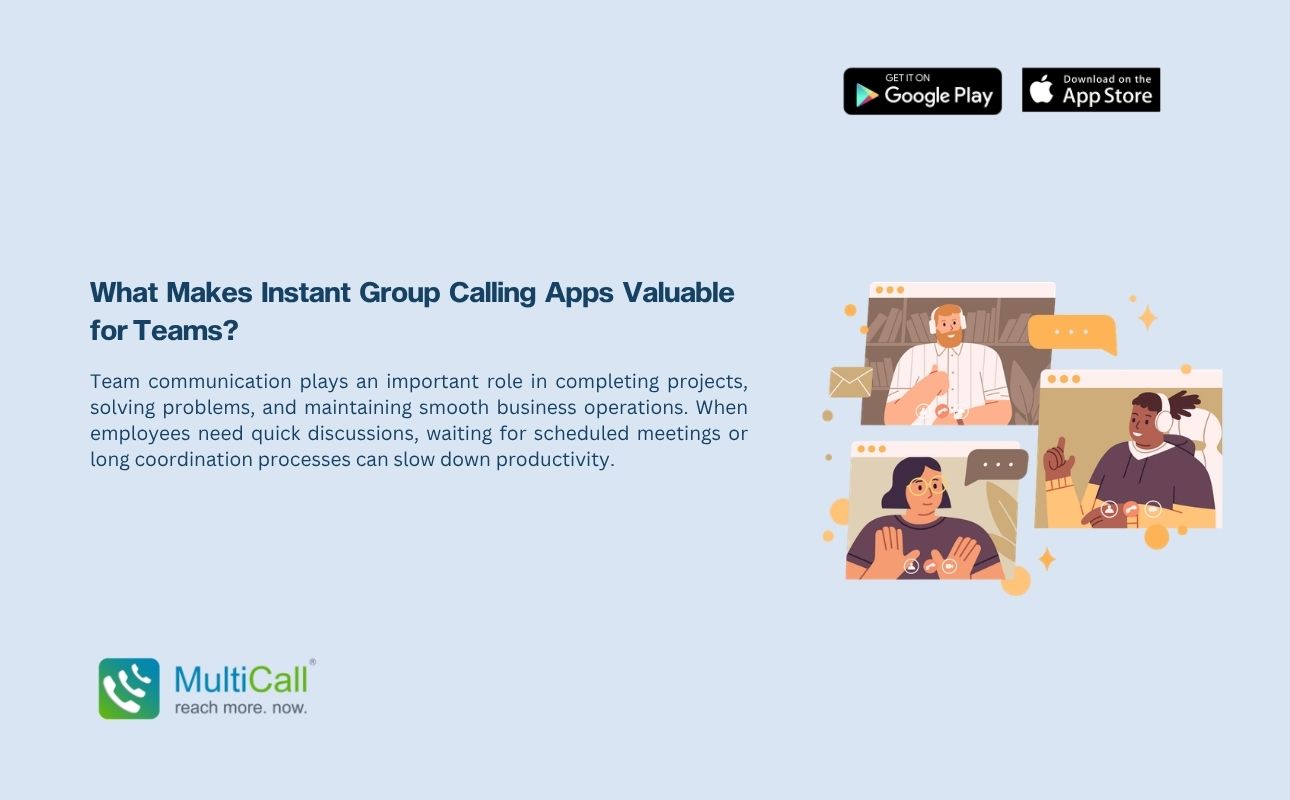
Decision making often involves multiple stakeholders. Managing these discussions through messages can be overwhelming and time consuming. With Group Call Business Communication, teams can come together in one conversation, share perspectives, and reach conclusions quickly. This eliminates the need to track multiple threads and reduces confusion.
Reliable communication supports better thinking
Technical issues and communication disruptions can add to mental fatigue. When systems are unreliable, individuals spend more energy dealing with problems instead of focusing on decisions. PSTN-based Calling Services provide stable and consistent communication, ensuring that conversations flow smoothly. This reliability allows teams to stay focused on what matters most.
Structured conversations reduce overload
Unplanned communication can contribute to decision fatigue by creating constant interruptions. Teams can Schedule calls using app features to organize discussions at specific times. This structured approach allows individuals to prepare in advance and focus fully during the conversation, reducing unnecessary stress and improving decision quality.
Encouraging focused collaboration
Audio-first communication creates a more focused environment where participants are actively engaged. Without visual or text based distractions, teams can concentrate on the discussion and contribute effectively. With Effective Team Communication Apps, organizations can ensure that collaboration remains simple and efficient, helping teams make better decisions together.
Reducing unnecessary choices
Too many communication channels often mean too many choices about where and how to respond. This can increase mental fatigue and slow down productivity. Audio-first communication simplifies this process by providing a clear and direct way to connect. Fewer choices mean less mental strain and faster decision making.
Conclusion
Audio-first communication plays a key role in reducing decision fatigue by simplifying interactions and improving clarity. It minimizes distractions, supports real-time discussions, and helps teams stay focused. By using Best Audio Conferencing Apps, enabling Group Call Business Communication, relying on PSTN-based Calling Services, using features to Schedule calls using app, and adopting Effective Team Communication Apps, businesses can create a communication environment that supports clear thinking and more effective decision making.