Why Audio Communication Is Still the Backbone of Enterprises
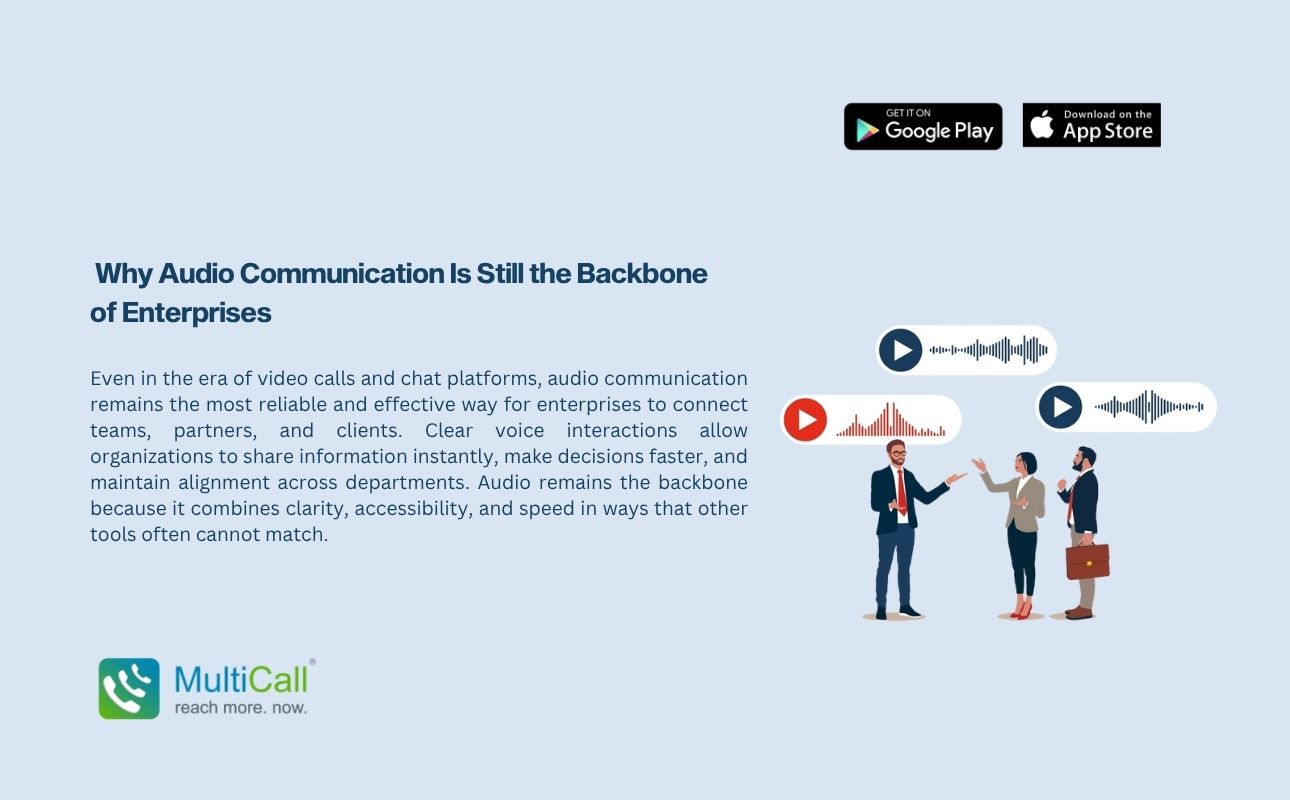
Even in the era of video calls and chat platforms, audio communication remains the most reliable and effective way for enterprises to connect teams, partners, and clients. Clear voice interactions allow organizations to share information instantly, make decisions faster, and maintain alignment across departments. Audio remains the backbone because it combines clarity, accessibility, and speed in ways that other tools often cannot match.
Instant Connection for Critical Conversations
Some discussions cannot wait. Audio conferencing enables teams to connect immediately, whether it is for client calls, urgent internal meetings, or cross-department coordination. With clear audio conferencing India, participants can communicate important updates and decisions in real time. The immediacy of voice communication ensures that critical issues are addressed without delay, keeping business operations smooth and responsive.
Supporting Group Communication
Enterprises often need multiple team members to collaborate simultaneously. Platforms that support group call business communication allow teams to join calls seamlessly, share input, and stay aligned. Unlike long email threads or fragmented chat messages, group audio calls ensure that all participants are on the same page, reducing miscommunication and fostering collaboration.
Reliability Through PSTN Services
Dependable connectivity is essential for enterprise communication. PSTN-based Calling Services provide stable, high-quality audio even when internet connections fluctuate. This ensures that meetings, client discussions, and strategic calls continue uninterrupted. Reliability in audio communication helps enterprises maintain productivity and reduces the risk of misunderstandings during crucial conversations.
Structured Scheduling for Efficiency
Planning and coordination are key to smooth communication. Platforms that allow teams to schedule calls using app features make it easier to organize recurring meetings, share agendas, and set reminders. Scheduled audio calls keep teams focused, ensure participation, and maintain accountability across departments, creating a rhythm that supports efficiency and clarity.
Instant Access for Rapid Response
While scheduling is important, some situations require immediate attention. Instant group calling apps allow employees to jump on a call whenever needed, whether to resolve urgent issues, provide updates, or discuss sudden changes. This capability keeps teams agile, ensures timely decision-making, and strengthens enterprise responsiveness.
Engaging Remote and Distributed Teams
Many organizations operate across multiple locations or have remote employees. Audio communication allows these teams to stay connected without barriers. Effective team communication apps provide a platform where remote staff can participate fully, ask questions, and contribute ideas. This ensures alignment and engagement, even when employees are physically separated.
Choosing the Right Platform
Not all audio tools are created equal. A reliable group calling app combined with the best audio conferencing apps ensures clarity, minimal disruptions, and ease of use. The right platform allows enterprises to focus on collaboration, strategy, and execution rather than dealing with technical glitches, making communication more effective and dependable.
Conclusion
Audio communication continues to be the backbone of enterprises because it is reliable, fast, and accessible. By leveraging clear audio conferencing India, supporting group call business communication, and providing a productive discussions service, organizations can improve collaboration, decision-making, and overall efficiency. Scheduling calls with schedule calls using apps and using instant group calling apps ensures that teams are aligned and responsive.
Incorporating effective team communication apps and a dependable group calling app guarantees that critical discussions are clear, timely, and actionable. Despite the rise of video and chat platforms, audio communication remains indispensable for enterprises that want to maintain clarity, speed, and reliability in all business interactions.