multicall

7 Work From Home Trends in 2021 You Should Know

The year 2020 created a radical and lasting impact to the very way in which we work. And 2021 seems just as much on the brink of disruption with the second waves of COVID still wreaking havoc. In the process, it too has generated trends of its own. Here are 7 trends that you should know!

Hybrid Office Models On The Rise

Varying combinations of remote work and onsite work have already started becoming the norm. With commuting already tough in the present situation on many employees, many prefer to skipping the commute entirely so that they can be more productive and flexible in their work and its output.

Yet paradoxically, there are also those who would like to return to the workplace. This has primarily been for the reasons of better peer interactions and the ability to meet face-to-face for solving situations. The solution: a model that adopts the best of both.

And thus the hybrid model of office work is born. As may be suggested, this effectively is a blended model where some employees return to the workplace and others continue to work from home.

Tech-Empowered Remote Work

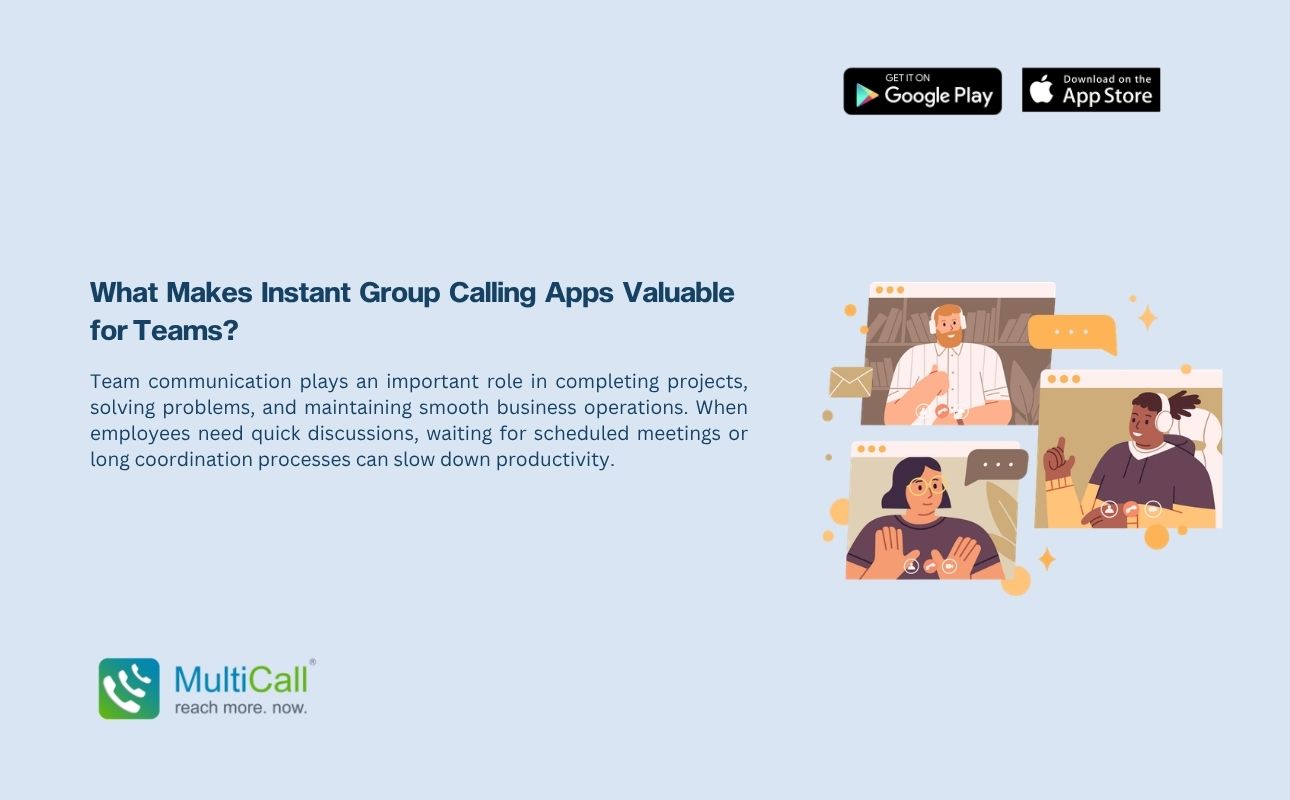
As companies expand remote working capabilities to support their operations, they are presently spending only 20% of their original meeting room budgets on conference call technologies for collaborating with one another. But with more people settling to work from home, the intrusive nature of video conferencing calls starts taking shape, among other WFH problems to already deal with.

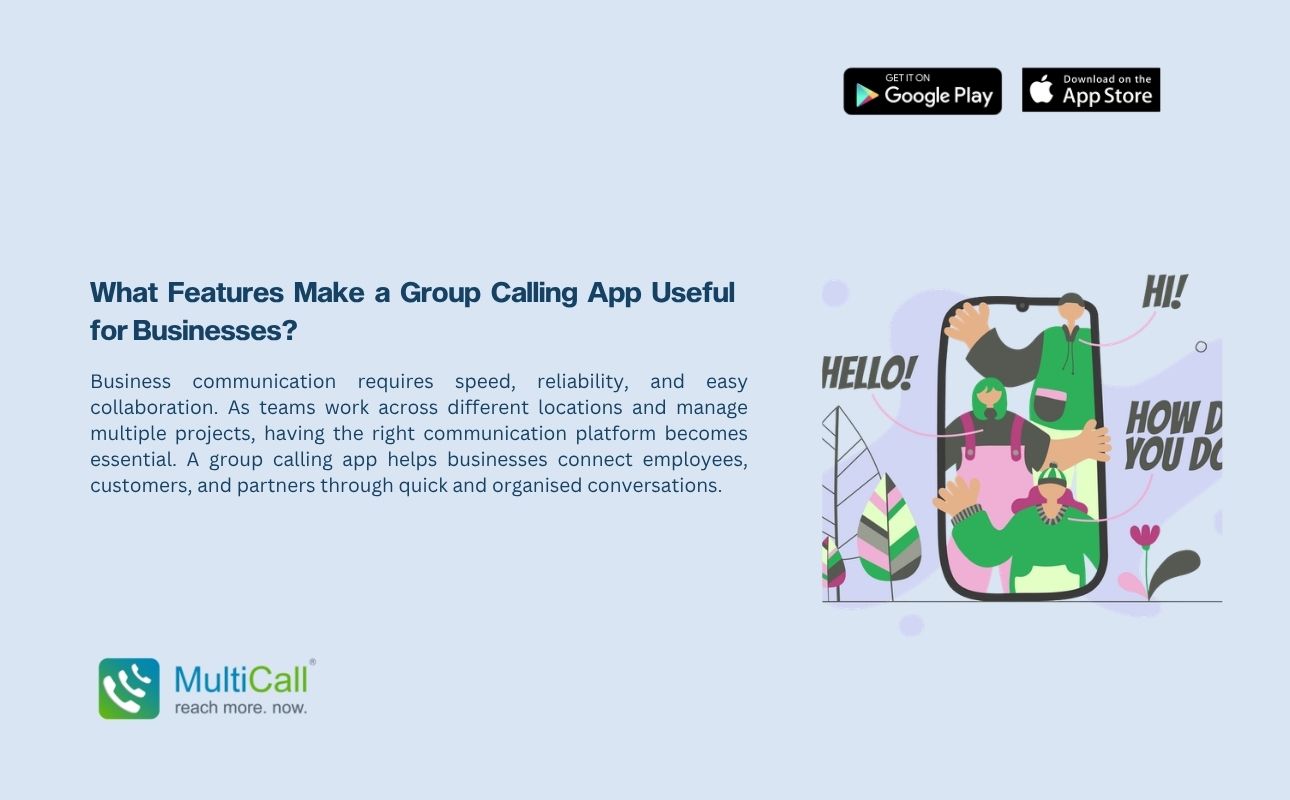
One such solution to the problem here is MultiCall. A calling app that allows group collaboration, MultiCall lets you call your entire team in one go without the hassle of entering PINs or awaiting moderators. The app not only lets you rely on your personal contact network, but lets you categorize them into groups and favourites as well.

Increased respect for non-work times

One of the biggest struggles that arose out of the pandemic was the complete loss of control over employee work-life balance. With the 24/7 work culture came a practically 24/7 level of remote communication.

Surveys had found that 51% of employees were concerned about their work-life balance.  Employers need to rise to the occasion here, and set clear rules and guidance about avoiding calls after work hours or requests that need an immediate response.

Enhanced Cybersecurity

Given the multiple devices and setups involved with the hybrid model, there are growing concerns around how data is accessed remotely and how secure it can get.  Cisco’s “Future of Secure Remote Work” report revealed that 82% of employers felt that “cybersecurity is now extremely important or more important than before COVID-19.” The Wall Street Journal even called the hybrid workplace a “cybersecurity nightmare”

Contact Form


apple-store-app
google-play-app

YOU MAY ALSO LIKE

audio

 Why Audio Communication Is Still the Backbone of Enterprises

Even in the era of video calls and chat platforms, audio communication remains the most reliable and effective way for enterprises to connect teams, partners, and clients. Clear voice interactions allow organizations to share information instantly, make decisions faster, and maintain alignment across departments. Audio remains the backbone because it combines clarity, accessibility, and speed in ways that other tools often cannot match.

Read More »
team

What High-Performance Teams Do Differently in Communication

Teams that consistently deliver results share more than skills and experience; they share effective communication habits. High-performance teams understand that clarity, structure, and timely collaboration are key to success. Audio conferencing plays a vital role in shaping these habits, allowing teams to stay connected, aligned, and responsive.

Read More »
voice

How Clear Voice Communication Reduces Business Risk

Effective communication is one of the most critical factors in preventing mistakes and mitigating risks within a business. Misunderstandings, delays, or misaligned instructions can cost companies time, money, and reputation. Clear voice communication helps organizations manage these challenges by ensuring that information is shared accurately and efficiently.

Read More »
enterprise

 Why Every Growing Enterprise Needs Structured Group Calling

As businesses expand, communication becomes increasingly complex. Teams grow, departments multiply, and projects span multiple locations. Without a structured approach to collaboration, miscommunication and delays can slow progress. Structured group calling provides a solution that keeps growing enterprises aligned, efficient, and productive.

Read More »
enterprise

How Smart Enterprises Simplify Communication Infrastructure

Communication is the backbone of any smart enterprise. Complex infrastructures, multiple tools, and dispersed teams can create challenges for smooth collaboration. Simplifying communication infrastructure allows businesses to reduce inefficiencies, streamline processes, and ensure that employees stay connected effortlessly.

Read More »
team collaborate

 Why Audio Calls Create Stronger Team Accountability

Accountability is essential for high-performing teams. When responsibilities are clear and communication is effective, teams can deliver better results, stay on track, and meet deadlines consistently. Audio calls provide a simple yet powerful way to strengthen accountability and ensure teams remain aligned on goals.

Read More »