


multicall

5 Keys of Effective Workplace Communication

What does effective communication look like? A lot of content centres on strategies for individual interpersonal communication. That is indeed important, but it’s necessary to see the big picture too. This begins with understanding how companies and their workplaces support communication.

Understand your role as communicators

This is where effective workplace communication begins. It’s essential for leaders to understand that employee communications are foundational to their role. Leaders set the tone for the rest of the managers and employees to follow. This would let them leverage an organization to be an impetus for productivity, innovation, and differentiation.

Encourage channels for two-way feedback

Two-way conversations help companies and their culture primarily in the following ways:

It helps the organization be more transparent in and about their dealings.

It puts forth ideas and innovations proposed by employees, letting them feel valued and heard in the process.

As a result of these two, two-way communication in this manner would help the organization align and collectively understand the strategy. It’s also well established that employee alignment is beneficial to employee engagement as well. Employee engagement is key to help employees understand how they contribute to corporate goals, mission and vision. Thus, companies need to consider effective communication tools that can appropriately drive two-way conversations.

Related: Disengaged Employees and How To Coach Them

Set a channel for strategic communications

We live in a world with multiple communication channels. But the relevance of the channel, and its reliability for safely communicating information is to be considered. For a workplace context in which strategic communications happens on a regular basis, setup of a tool to act as a regular channel for this becomes a requirement.

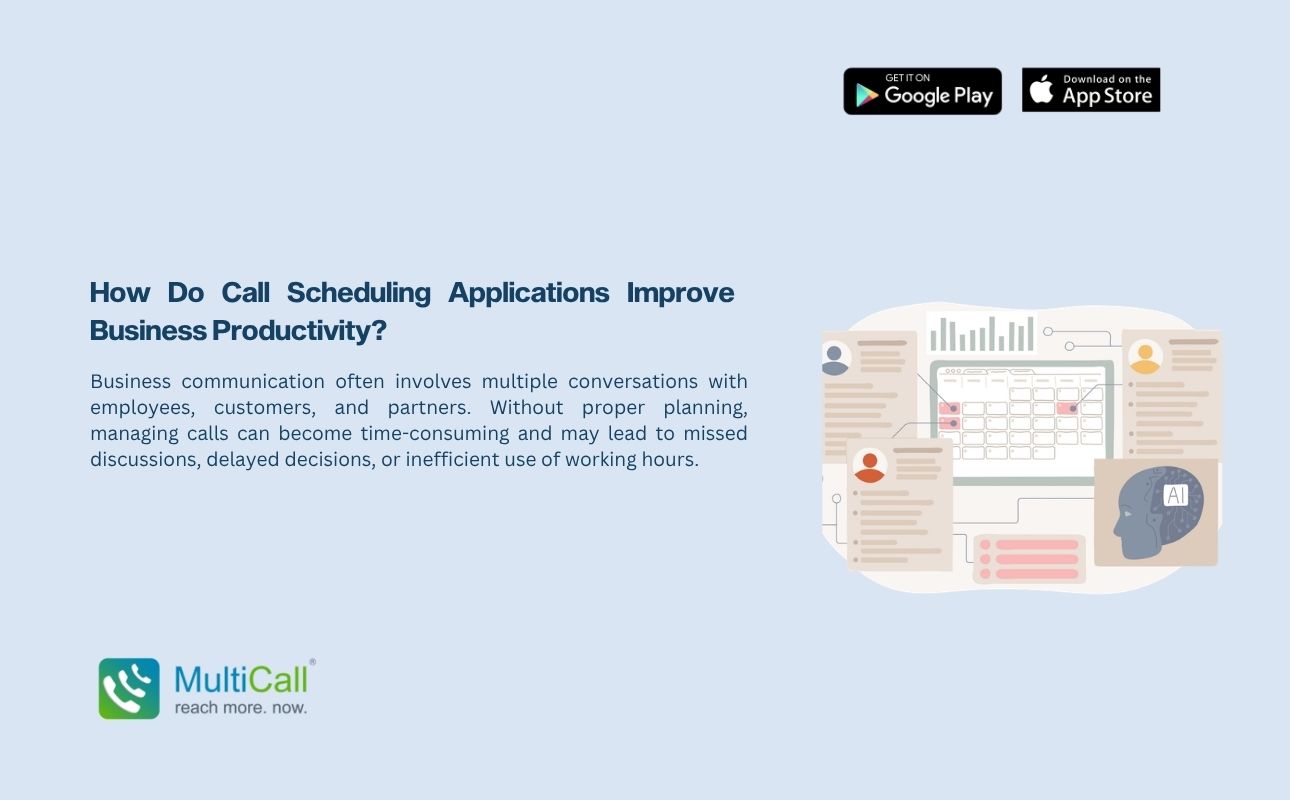
One such tool to help you with this case is MultiCall, a group calling app dedicated to let you call many with the ease of calling one.  MultiCall’s Call Scheduling assists in helping set up the meeting, not just in setting the date and time with the necessary team members, but in its ability to set the meeting to recur and auto-initiate the call as well.

Related: Using MultiCall – Everything You Need To Know

Push transparency

Not only does transparency facilitate collaborations via asynchronous communications such as those at the workplace, but it also averts key information from the negative effects of silo-based management and helps to keep everyone aligned on the same goals.

There was a time when transparency was an element only held by executives and leaders of a company. But the world we live in today has employees being more transparent than ever. This is to the point where it’s not just expected, but even demanded as well. To that extent, workplace communication would be best effective with full transparency in all aspects.

Related: Breaking Down Workplace Silos in 3 Strategies

Encourage cross-departmental & cross-location collaboration

Working with different people means that working in different areas of the business as well. This in turn means opening new communication channels. Finding new ways to communicate and share information is hugely important to the success of any business, which is why collaboration should be utilized whenever possible to form bonds between departments.

Maintaining communication with team members that is transparent and regular allows for gaining valuable insights into the operations of each department. It also renders teams to be able to resolve issues quickly. Besides that, a company is also like a family. Interacting more regularly brings the teams closer than working apart would. MultiCall comes in useful at this point as a tool, with its ability for you to set groups and favourites for those individuals you frequently contact.

Related: 7 Reasons Why Collaboration Is Important

Contact Form


apple-store-app
google-play-app

YOU MAY ALSO LIKE

multicall

 Why Instant Audio Collaboration Beats Endless Email Threads

Emails have been a standard form of business communication for years, but long email threads often create more confusion than clarity. Important points get buried in multiple replies, and conversations become difficult to follow. Teams spend time scrolling, re-reading, and trying to understand context instead of focusing on solutions. This slows down progress and affects productivity.

Read More »
multicall

 Is Your Business Over-Relying on Chat Apps

Many businesses today rely heavily on chat apps for daily communication. While messaging platforms are quick and convenient, they are not always the most effective way to handle important discussions. Over time, this dependency can create gaps in clarity, delay decision making, and reduce the quality of communication. Businesses need to evaluate whether chat apps are truly supporting their goals or slowing them down.

Read More »
multicall

Why Fast Coordination Matters More Than Perfect Slides

In many business situations, teams spend a lot of time preparing perfect presentations and detailed slides. While visuals can support communication, they are not always the most important factor. What truly matters is how quickly teams can connect, discuss, and make decisions. With Best Audio Conferencing Apps, teams can focus on real conversations instead of spending time perfecting slides that may not add real value.

Read More »
multicall

 Why Audio Calls Are Better Than Video for Focused Business Communication

In today’s fast moving business environment, communication needs to be clear, quick, and easy to manage. Video calls have become common, but they often add extra layers that are not always necessary. Audio calls offer a simpler and more practical way to connect. By using Best Audio Conferencing Apps, businesses can keep conversations smooth and focused without worrying about visual elements.

Read More »
multicall

Why Voice Communication Builds More Trust Than Emails

In business, trust is built through clear and genuine communication. While emails are widely used, they often lack emotional tone and personal connection. Voice communication brings a human element into conversations, allowing people to express tone, intent, and clarity.

Read More »