Across healthcare, finance, and public services, communication is not just frequent, it is high responsibility. These sectors deal with confidential records, regulated workflows, and decisions that must happen without delay.
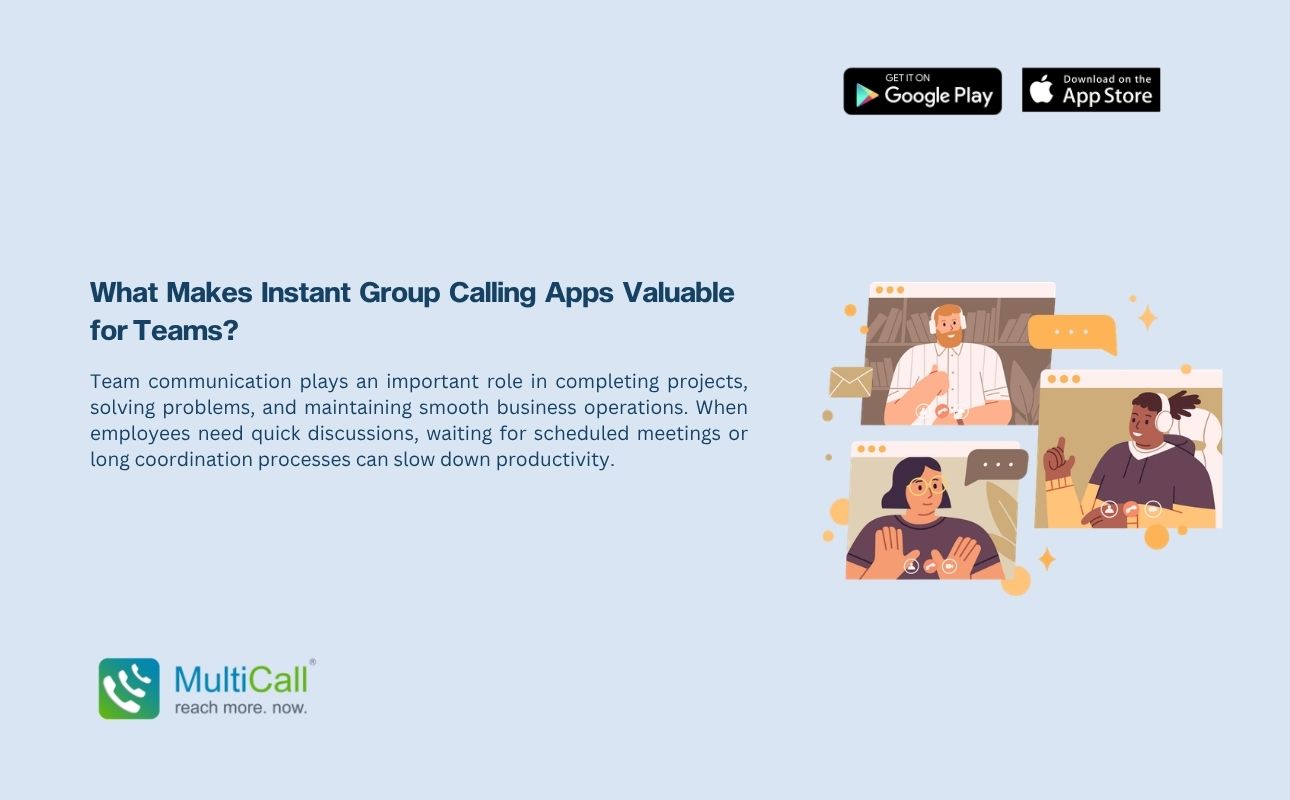
Consumer communication tools may feel convenient, but they often fall short when privacy, access control, and reliability are non-negotiable. That is why many organizations are moving toward secure group calling systems that support controlled participation, protected voice routing, and consistent reach even when internet quality is poor.
MultiCall supports this requirement through PSTN based calling, number masking, and group calling that works without internet dependence. In environments where response time and confidentiality matter most, a voice first system built for continuity becomes a practical advantage.
Why Healthcare Teams Need Protected Group Calling
Hospitals and clinics operate in fast paced conditions where teams must coordinate instantly. Doctors, nurses, technicians, and emergency responders frequently exchange sensitive details that impact patient outcomes. A delay or security breach can create confusion, disrupt care, or expose patient data.
Secure group voice communication helps healthcare teams reduce this risk by ensuring only authorized users can join and by keeping conversations protected end to end. MultiCall adds value by masking numbers during calls, helping prevent direct line exposure between staff and patients. This matters during remote consultations, shift handovers, emergency coordination, and multi department updates. Since MultiCall uses PSTN voice, teams can stay connected even in low signal areas where internet based tools struggle.
As healthcare continues to expand remote workflows, voice remains the quickest channel for urgent coordination. Secure calling is no longer optional, it is part of safe care delivery.
Why Finance and Banking Demand Controlled Calling Systems
Banks and financial teams handle high risk conversations daily. These include identity verification, fraud escalation, loan discussions, approvals, and internal compliance communication. If communication is not secure, it can lead to financial loss, regulatory penalties, and reputational damage.
Many digital communication tools store data, expose metadata, or rely on links and meeting IDs that can be exploited. MultiCall supports a safer approach by keeping communication voice centric, controlled, and accessible through PSTN routes. With persistent login support, staff can connect quickly while still maintaining strong identity validation. It also reduces phishing risk because the calling structure does not depend on shared meeting links.
For finance teams, a controlled calling system supports faster escalations, better confidentiality, and stronger compliance readiness.
Why Government and Public Sector Teams Need Always Available Voice Access
Government departments coordinate essential operations such as emergency response, civic services, public safety, and administrative communication. These operations require systems that remain functional during disruptions such as natural events, network failures, or cyber incidents.
Internet based video tools can fail during instability. MultiCall helps reduce this risk by enabling group calls through PSTN, allowing teams to stay connected even when internet access is limited. Number masking can also support personnel privacy, especially when coordinating across departments or engaging in field operations.
For public sector teams, continuity is critical. A reliable voice framework helps ensure essential communication remains active under pressure.
Why Voice Communication Often Works Better Than Video for Sensitive Operations
Many critical sectors still prefer voice because it is faster, simpler, and more reliable in real world conditions. Video meetings require bandwidth, stable data networks, and tend to expose identity and participation details more easily. PSTN voice is often more consistent and easier to use during emergencies or high workload situations.
- Secure voice based group calling supports
- Lower risk of interception
- No reliance on meeting links
- Faster connection time
- Reduced complexity for teams working long shifts
Key Security Benefits That Matter Most
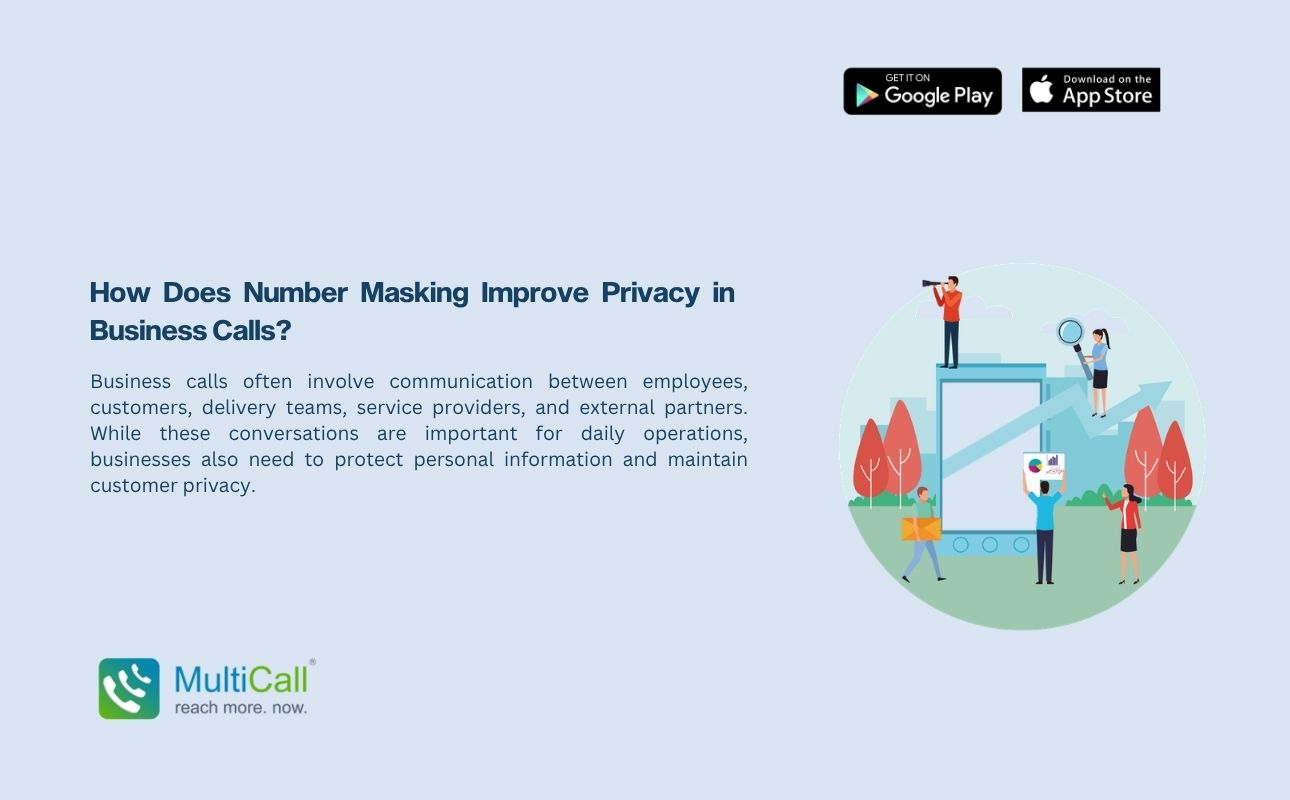
Two features often matter immediately in sensitive sectors: number masking and access control. Number masking protects personal lines from being exposed during calls. Access control ensures only approved people can start calls and join discussions. Together, these features help reduce privacy concerns, prevent unauthorized participation, and improve compliance with internal policies.
Reliable Communication Even Without Internet
Downtime and weak connectivity are realities in many environments. Remote medical sites, field operations, and temporary network disruptions can block internet based tools. MultiCall addresses this by enabling conference calling without needing internet connectivity, allowing teams to connect through standard phone networks.
In urgent moments, teams cannot wait for apps to refresh or networks to recover. They need communication that works instantly.
Conclusion
Secure voice communication is a practical requirement for healthcare, banking, and government operations. MultiCall supports this need through PSTN based calling, number masking, controlled access, persistent login availability, and group calling that works without internet dependence. For organizations focused on trust, compliance, and uninterrupted coordination, secure group calling is not an extra feature, it is a foundation for performance.