The Shift Toward High-Quality PSTN Calling
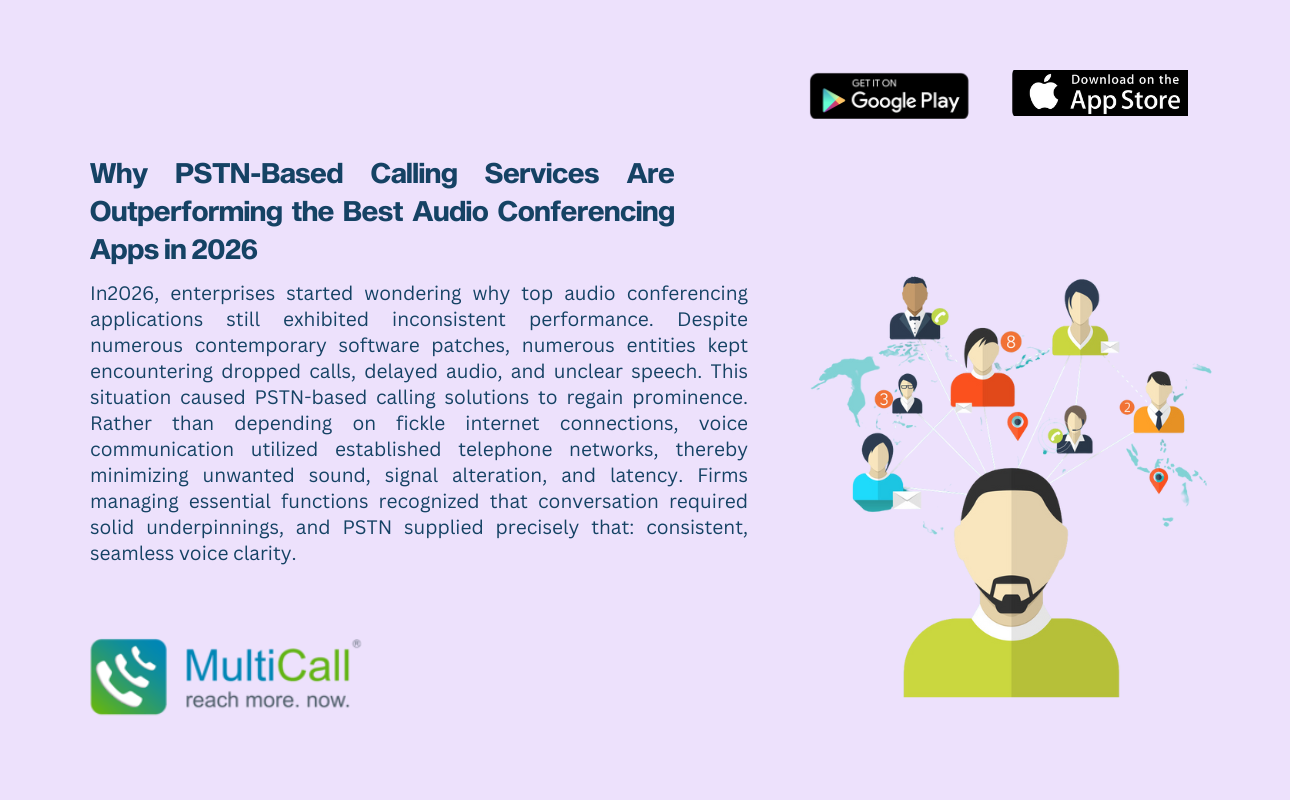
In2026, enterprises started wondering why top audio conferencing applications still exhibited inconsistent performance. Despite numerous contemporary software patches, numerous entities kept encountering dropped calls, delayed audio, and unclear speech. This situation caused PSTN-based calling solutions to regain prominence. Rather than depending on fickle internet connections, voice communication utilized established telephone networks, thereby minimizing unwanted sound, signal alteration, and latency. Firms managing essential functions recognized that conversation required solid underpinnings, and PSTN supplied precisely that: consistent, seamless voice clarity.
Reliability Beyond Internet Limitations
In contrast to numerous platforms emphasizing video, traditional phone service (PSTN) calls remain functional even as broadband degrades or Wi-Fi connection weakens. Whereas the majority of meeting applications demand fast internet for steady call performance, PSTN calling maintains stability even with minimal bandwidth.
This development signifies a return to trustworthy voice interaction, particularly beneficial for organizations working in less connected areas, industrial locations, distribution centers, and regions susceptible to emergencies. The superior clarity of PSTN calls is steady and trustworthy, positioning it as a superior option compared to erratic internet-reliant solutions.
Why Voice Still Wins Over Visual Platforms
While video meetings became the norm during the surge in remote employment, organizations eventually noted the strain involved. Individuals spending extended periods on video calls experienced mental fatigue, resulting in lower participation. Voice communication steered attention back to the core subject—the information being conveyed. Teams are no longer hampered by inadequate illumination, frozen displays, or lost video connections. Voice provided a fluid, continuous, and less demanding method of contact, with PSTN offering clarity that rivals top video conferencing software.
PSTN and the Rise of Seamless Business Communication
Wasted time from communication bottlenecks hurt output, prompting numerous organizations to adopt PSTN pathways for their voice services. Offering immediate reach, sidestepping login hurdles, and requiring minimal bandwidth, personnel could commence conversations swiftly.
Moving beyond dated conference calling methods involving lengthy access codes, contemporary PSTN-equipped systems provide straightforward dialing options merging ease-of-use with advanced networking. Enterprises now benefit from fluid workplace dialogue keeping personnel connected, audible, and coordinated.
Integration With Voice API and Business Tools
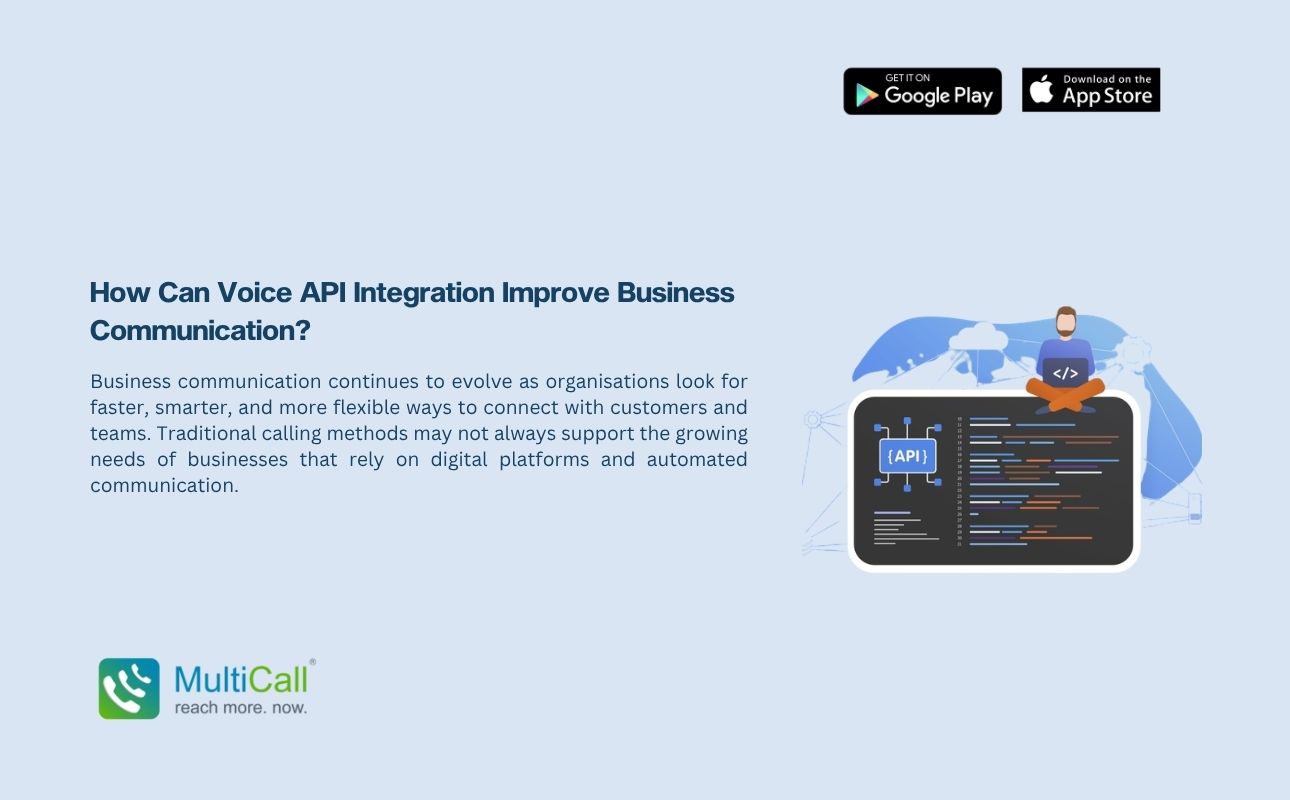
The latest wave of PSTN offerings connects with operational applications, customer management databases, and service desks via voice API connectivity. This empowers organizations to construct automated call sequences, monitor conversation metrics, and improve teamwork efficiency. Through this connectivity, PSTN transforms from being thought of as legacy to being modern. It serves as a core for team voice interactions without demanding intensive hardware or complicated software setups.
Cost-Efficient and Scalable Communication
Contrary to common assumptions, PSTN options aren’t costly. When weighed against numerous paid video conferencing plans, PSTN-rooted communication offers better value. Companies avoid paying for superfluous functionalities they overlook. Instead, they fund dependable, clear voice services that directly boost output. With the capacity to adapt to expanding workforces and worldwide activities, PSTN confirms its role as the bedrock for effective group call systems.
Why PSTN is the Future of Enterprise Communication
Organizations seek certainty. They desire straightforwardness. They need instruments that hold up when demand is high. PSTN calling solutions offer all these benefits fully. Featuring staying power, simple operation, and reliable output, these services surpass even top-tier audio meeting applications. As firms grow digitally yet operate amid uncertain physical settings, the PSTN stands as the most trustworthy medium for professional-level connectivity.