The Truth About Video Fatigue in Corporate Teams
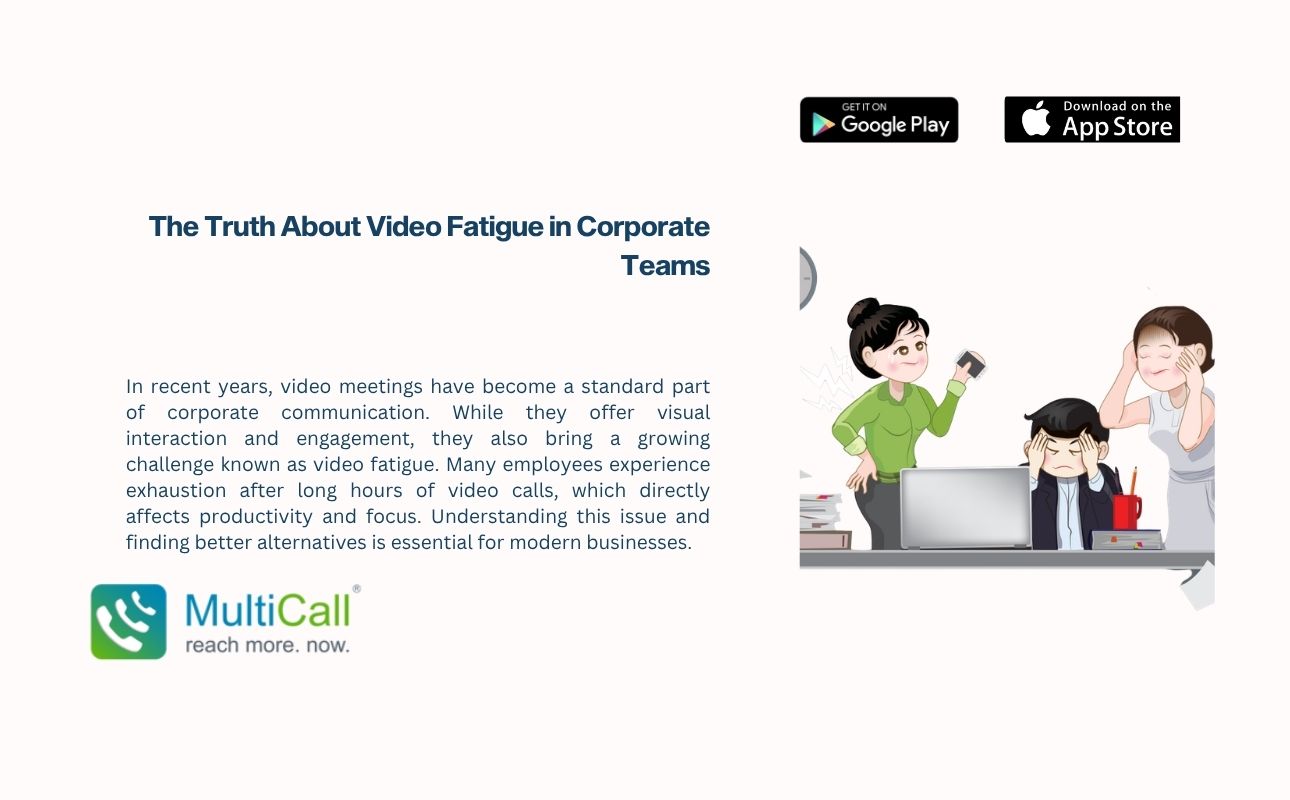
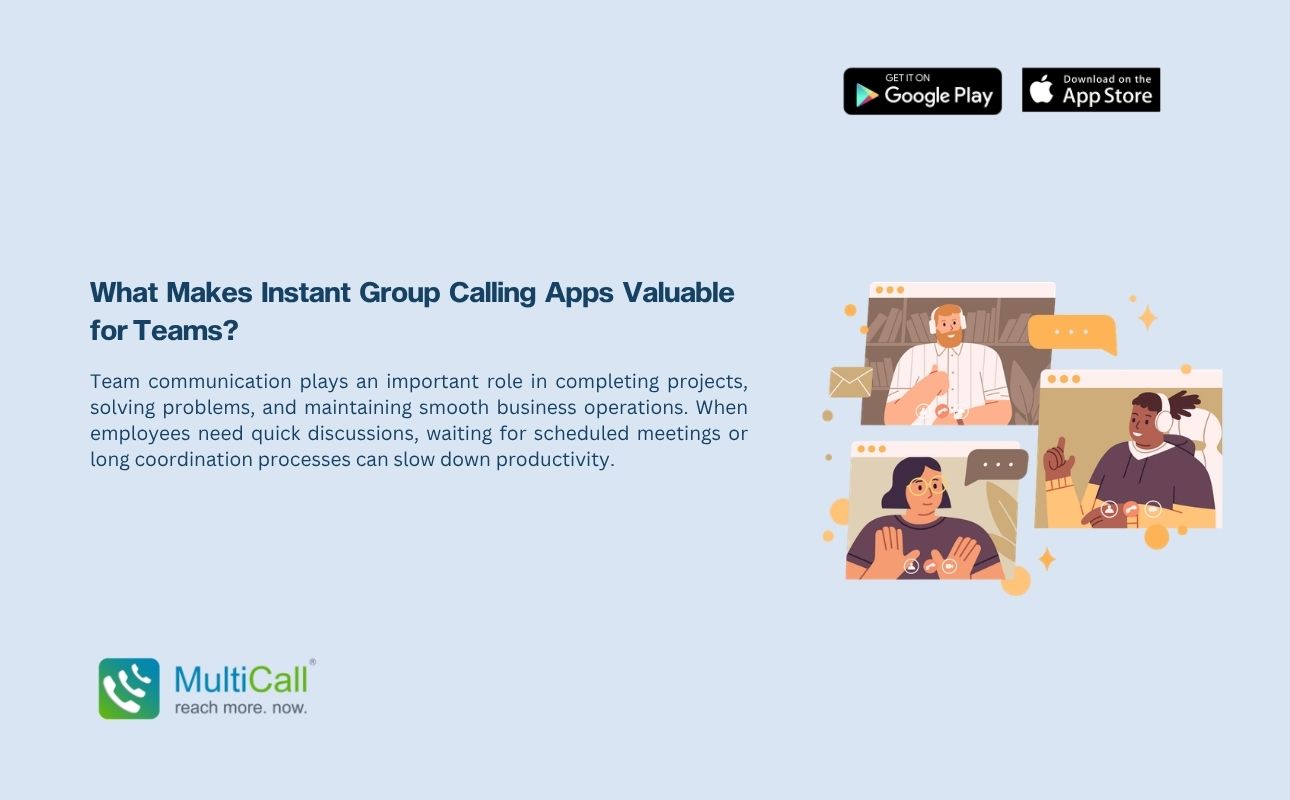
In recent years, video meetings have become a standard part of corporate communication. While they offer visual interaction and engagement, they also bring a growing challenge known as video fatigue. Many employees experience exhaustion after long hours of video calls, which directly affects productivity and focus. Understanding this issue and finding better alternatives is essential for modern businesses.
What Is Video Fatigue and Why It Happens
Video fatigue occurs when employees spend extended periods in front of screens during virtual meetings. Unlike in person interactions, video calls require constant attention, eye contact, and self awareness, which can be mentally draining.
Employees often feel pressured to stay visually present, maintain posture, and remain focused on multiple participants at once. Over time, this leads to fatigue, reduced concentration, and lower engagement.
This is why many organizations are now rethinking their communication approach.
The Impact on Productivity
Video fatigue does not just affect employee comfort, it also impacts overall productivity. When employees are tired, they struggle to focus on discussions and may miss important details.
Long video meetings often lead to reduced participation and slower decision making. Instead of improving collaboration, excessive video calls can create unnecessary stress.
By shifting to Efficient Group Calling Solutions, businesses can reduce screen dependency and help employees communicate more effectively without added pressure.
Why Audio Based Communication Works Better
Audio communication provides a simpler and more flexible way to connect. Without the need for constant visual attention, employees can focus entirely on the conversation.
Using Instant Group Calling Apps, teams can join discussions quickly and engage without the fatigue caused by video. This makes communication more natural and less stressful.
Audio calls also allow participants to move freely, making meetings more comfortable and efficient.
Reducing Pressure on Employees
One of the main causes of video fatigue is the pressure to appear on camera. Employees may feel uncomfortable being constantly visible, which affects their confidence and performance.
A Group Calling App removes this pressure by allowing employees to participate without being on screen. This creates a more relaxed environment where individuals can focus on contributing ideas.
Reducing pressure leads to better engagement and improved communication quality.
Improving Communication Efficiency
Video meetings often involve distractions such as background visuals, connectivity issues, or multitasking. These factors can reduce the effectiveness of communication.
Audio calls provide a more focused approach, where participants concentrate on the discussion. With Efficient Group Calling Solutions, businesses can ensure that conversations remain clear and productive.
Efficient communication helps teams complete discussions faster and move on to their tasks.
Ensuring Reliable and Secure Communication
Video platforms can sometimes face technical challenges such as lag or connection drops, which disrupt meetings. Reliable communication is essential for maintaining workflow.
With features like Number Masking in Calls, businesses can also ensure privacy while communicating with clients or external teams. This adds an extra layer of security without compromising convenience.
Secure and stable communication systems help organizations maintain trust and consistency.
Supporting Seamless Access and Participation
Frequent login requirements and technical issues can add to employee frustration during video meetings. This makes communication less efficient and more time consuming.
Persistent Login Calling Apps simplify access by allowing users to stay connected without repeated authentication. This ensures that employees can join calls quickly and without interruptions.
Easy access improves participation and reduces delays in communication.
Managing Meetings More Effectively
Another factor contributing to video fatigue is poorly planned meetings. Long, unstructured calls can drain energy and reduce productivity.
Using Call Scheduling Applications, businesses can plan shorter and more focused meetings. Proper scheduling ensures that discussions are purposeful and time efficient.
Well managed meetings help reduce fatigue and improve overall communication quality.
Creating a Balanced Communication Strategy
The key to overcoming video fatigue is balance. Not every meeting needs to be a video call. Businesses should adopt a mix of communication methods based on the purpose of the discussion.
By integrating tools like Instant Group Calling Apps and audio based solutions, organizations can create a healthier communication environment. This approach reduces stress while maintaining effective collaboration.
A balanced strategy ensures that employees stay productive and engaged.
Conclusion
Video fatigue is a real challenge in corporate teams, and its impact on productivity cannot be ignored. While video communication has its benefits, overuse can lead to exhaustion and reduced efficiency.
By shifting toward audio based communication and using tools like Group Calling App, Persistent Login Calling Apps, and Efficient Group Calling Solutions, businesses can create a more sustainable communication model.
In the end, effective communication is not about using more features, it is about choosing the right approach that supports both productivity and employee well being.