


REDUCING DOWNTIME: MULTICALL AS A BACKUP COMMUNICATION CHANNEL FOR IT TEAMS
The problem is, when critical technology goes down, the communication channels IT teams depend on, such as VoIP, chat, or cloud-based services, often go with it.
Be it a dream company or a favourite sports team, why we see something as a world-class team is because they understand the way they have to deal with the situation ahead of them, and the skills required by their team in order to do what’s necessary.
To do so requires delegation; assigning the right roles to the right individuals, depending on their abilities and their experience. You wouldn’t ask a graphics designer to do analytics, would you? Quite simply, the roles are best defined to people depending on what they’re trained for.
Success in delegation comes down to utilizing the talents of everyone in the team optimally. Done right, this would allow productivity to rocket, with a streamlined workflow, and less troublesome task management. In fact, it comes down to just 5 steps.
The first step to delegating effectively is deciding which tasks and responsibilities you want to assign to someone else on your team. Ask yourself the following questions:
What are the deliverables that you currently have on your plate?
Which of these are absolutely necessary for me to do?
Which could be done in a far better manner by someone else?
Besides this aspect, remember that time management is also key. Keep your task list SMART (Specific, Measurable, Achievable, Realistic, Time-Measured). Ensure that you really have the time to do all these tasks. While you’re at it, it’s crucial to be totally honest about your current workload. Will you potentially miss critical deadlines in the process of trying to do them by yourself?
Remember, the core idea of delegation is to maintain a streamlined workflow, and prevent yourself from being overworked.
Once you’ve identified tasks that can be assigned to other members of your team, you then need to consider who the best person is to take them on. Make sure that the individual you pick is well-equipped in order to tackle the task. At the same time, make sure it’s not too easy for them either.
Just to clarify, we don’t mean that work should be difficult; it’s that they should be challenged while maintaining control of the work. This shouldn’t be to the extent that they’re overwhelmed and unable to concentrate.
Simply listing and handing over tasks to your team isn’t enough. You will need to prepare and equip them with all the instructions and paperwork that they will require in order to ensure success. This may require all of you to come together on call.
With minimal facilities in the current work from home, clear conveyance to the team with regard to information and thoughts is needed. And that’s where a tool like MultiCall comes in. A MultiCall, brings people together, and gives everyone the right and ability to contribute value to the conversation.
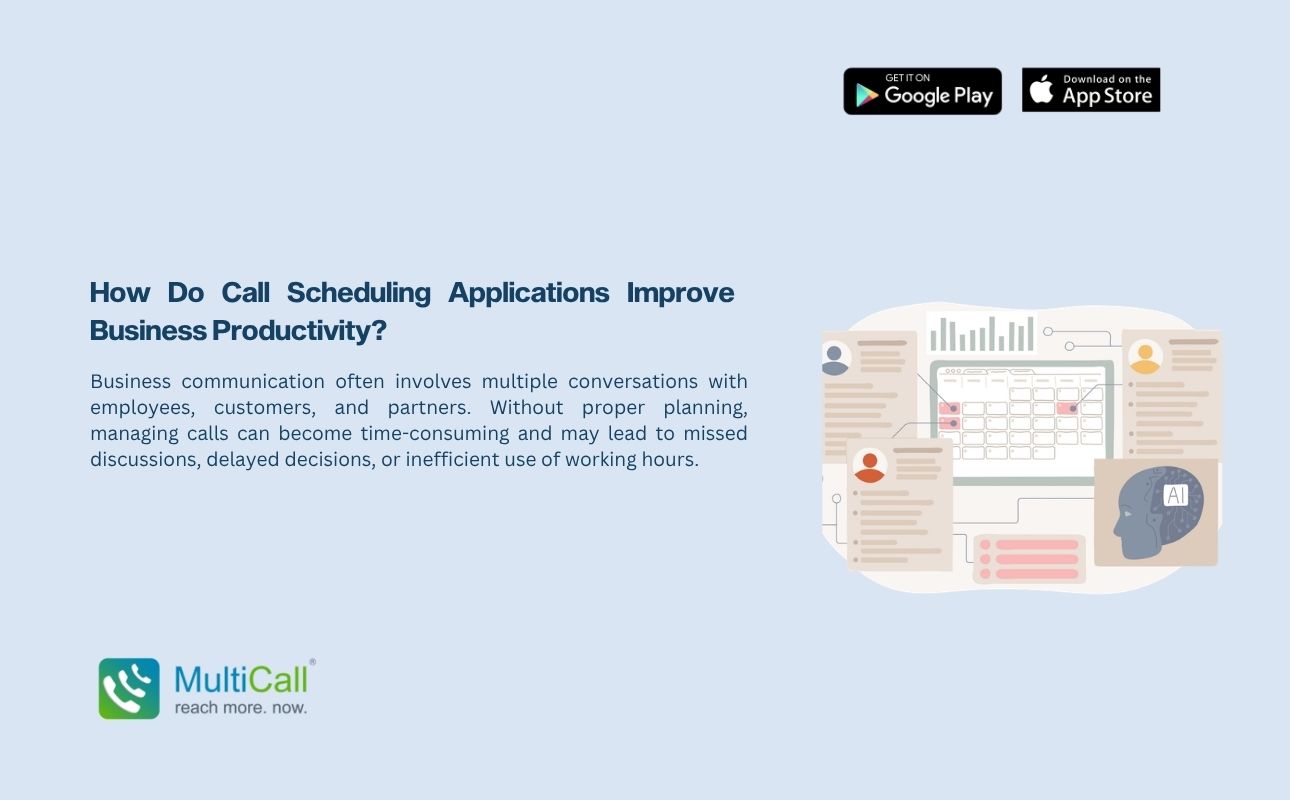
In doing so, one of its most noted features is Call Scheduling. MultiCall’s Call-Monitoring feature lets you add or remove participants as and when you require them during a group call, and to also see who’s speaking.
Just as expectations are clearly set, ownership and transparency in work needs to also take place, as this is critical to assessing a member’s capabilities before a task is allocated to them. Besides this, giving individuals full authority over the work is critical to ensure that they feel engaged in order to complete it successfully. Building a culture of accountability in your team is essential too.
This can be started by including team members in the review calls and meetings so you can work together to decide what the milestones for a task are, and to ensure that everyone’s understanding of the task aligned from start to finish is key.

The problem is, when critical technology goes down, the communication channels IT teams depend on, such as VoIP, chat, or cloud-based services, often go with it.

MultiCall’s primary value proposition for NGOs lies in enabling HQ-foster connections with field-based teams through high-quality voice calls. Social projects are challenging in themselves; by facilitating multi-person calls in low-connectivity environments, MultiCall brings teams closer.

Large enterprises are all about collaboration. Enter MultiCall’s voice communication system that effortlessly connects multiple departments via unlimited group calling and smart scheduling.
Video conferencing often makes interdepartmental meetings inaccessible for many teams. When departments can’t meet without lags or face login issues and other video call mishaps, communication bottlenecks happen.

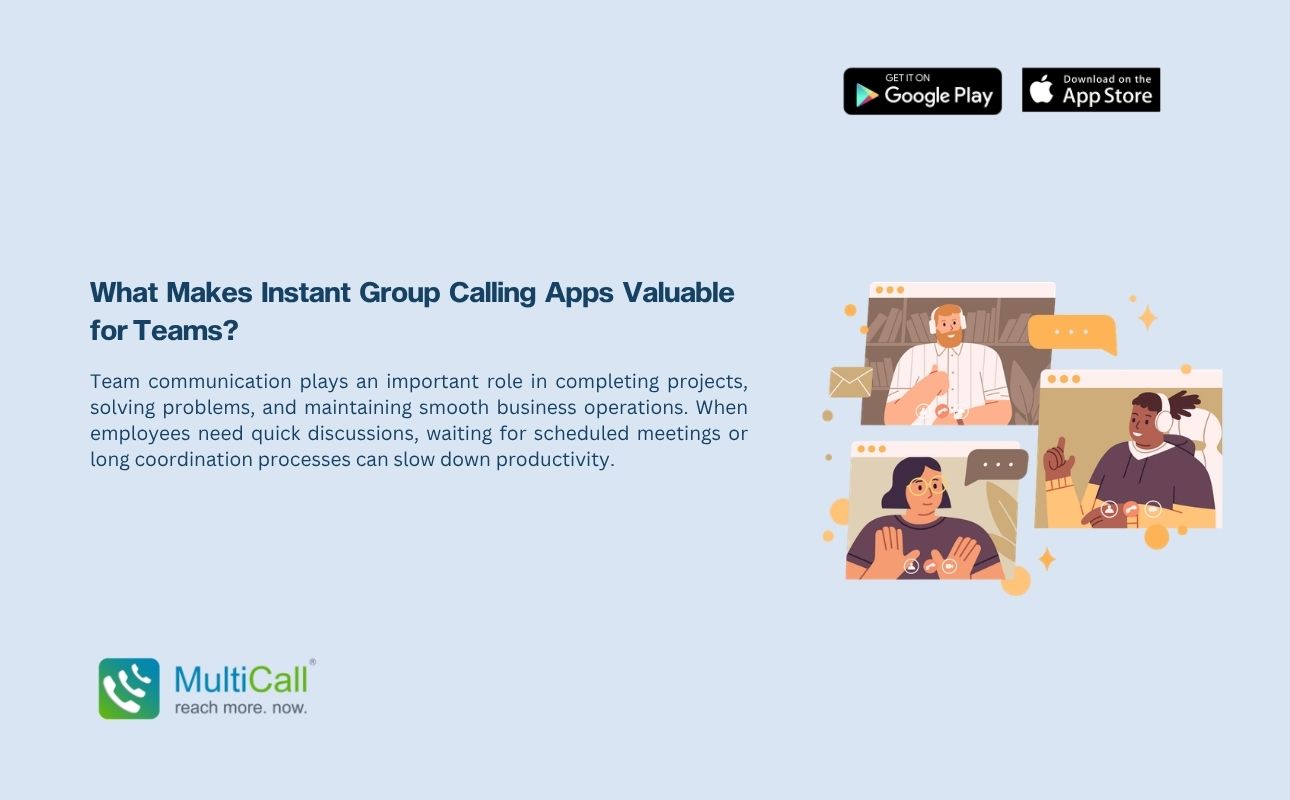
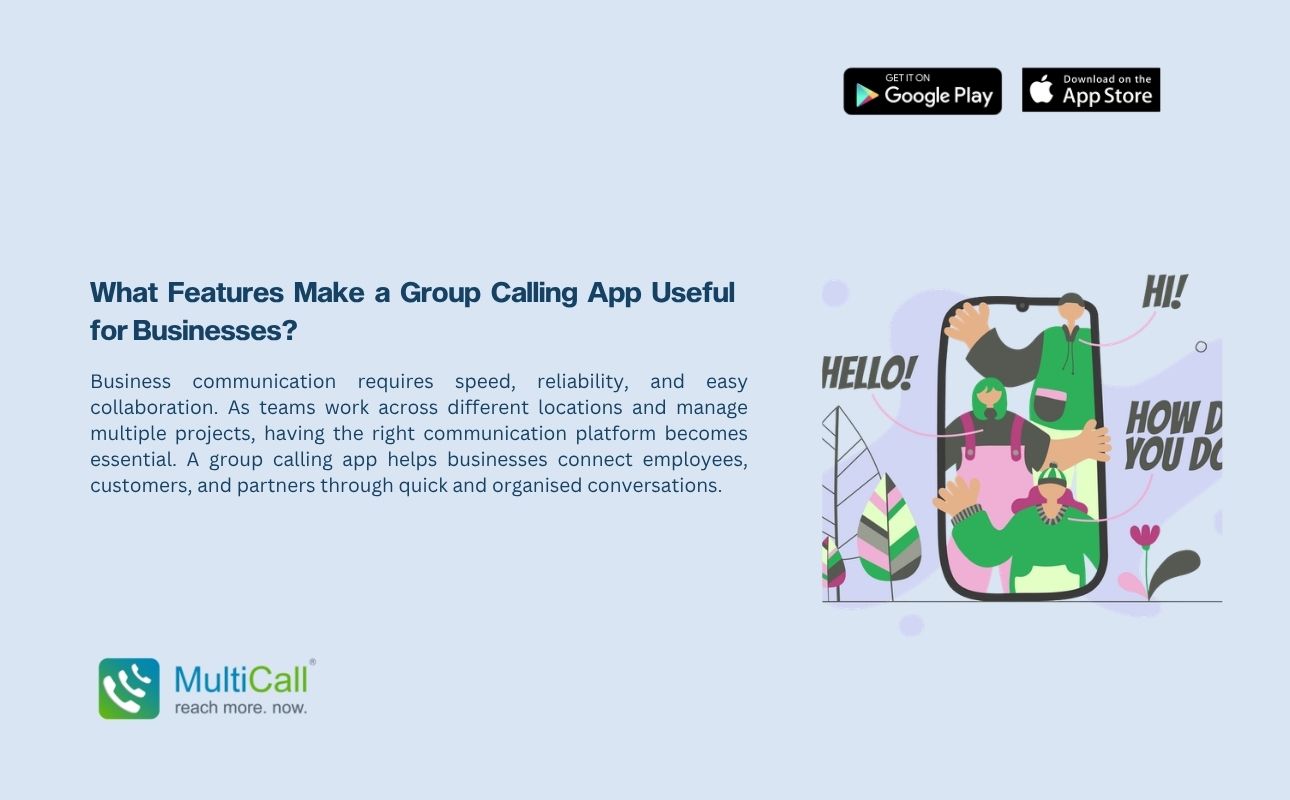
The MultiCall solution is centered around team calling. Group calls over voice make it possible for teams to coordinate schedules, share information, and discuss important topics. MultiCall enables users to connect in the fastest, most reliable, and most secure way possible.

It could be a village doctor trying to connect with a specialist in the city or a mobile medical team updating the hospital about their work. With MultiCall’s PSTN backbone, such calls go through with reliability, without needing high-speed data or Wi-Fi.

Efficiency equals profitability in business; central to that is communication. Countless organizations have miscalculated the cost of an unreliable phone or messaging application. Hours of delays, dropped calls, miscommunication, lost meetings, and disjointed coordination can translate into serious financial loss for an enterprise.
Communication has become less of an amenity and more of an investment. Enterprise voice communication software like MultiCall, with a complete solution for large teams, comes with a very clear and direct return on investment (ROI) through increased productivity, decreased downtimes, and operationally safeguarded communication.