

REDUCING DOWNTIME: MULTICALL AS A BACKUP COMMUNICATION CHANNEL FOR IT TEAMS
The problem is, when critical technology goes down, the communication channels IT teams depend on, such as VoIP, chat, or cloud-based services, often go with it.
Efficient communication is more than just clear dialogue; it’s also about the ease with which we initiate and manage our conversations. MultiCall, an innovative leader in telecommunication, understands this necessity, especially in the context of group calls. The platform’s feature allowing users to create and save groups simplifies conference calls, turning what was once a cumbersome process into a seamless experience. Below, we delve into how this feature is changing the way we conduct group calls.
Step-by-Step Group Creation:
MultiCall demystifies the process of setting up a group call with its intuitive interface. Here’s how easy it is:
Seamless Management of Group Calls:
Management of these groups is just as effortless. Users can:
Time-Saving Benefits:
The ability to create and save groups on MultiCall is a testament to the platform’s commitment to user convenience. Particularly for business professionals, this feature means quicker setup, immediate identification of discussion panels, and no wasted time — aspects that can significantly enhance productivity during workdays packed with back-to-back calls.
Personalized Communication:
Beyond the professional sphere, this feature is a boon for personal use. Users can create separate groups for friends, family, and social circles, ensuring that keeping in touch doesn’t feel like a chore. The saved groups feature is particularly useful for planning events, regular catch-ups, or discussing shared interests.
In conclusion, MultiCall’s dedicated group feature isn’t just a technical enhancement; it’s a practical solution to the communication challenges we face in our fast-paced lives. By allowing users to create and save groups, MultiCall puts a premium on time, organization, and ease of connection, whether it’s for business or pleasure. With MultiCall, group calls are no longer a logistical hurdle but a doorway to efficient, hassle-free communication.

The problem is, when critical technology goes down, the communication channels IT teams depend on, such as VoIP, chat, or cloud-based services, often go with it.

MultiCall’s primary value proposition for NGOs lies in enabling HQ-foster connections with field-based teams through high-quality voice calls. Social projects are challenging in themselves; by facilitating multi-person calls in low-connectivity environments, MultiCall brings teams closer.

Large enterprises are all about collaboration. Enter MultiCall’s voice communication system that effortlessly connects multiple departments via unlimited group calling and smart scheduling.
Video conferencing often makes interdepartmental meetings inaccessible for many teams. When departments can’t meet without lags or face login issues and other video call mishaps, communication bottlenecks happen.

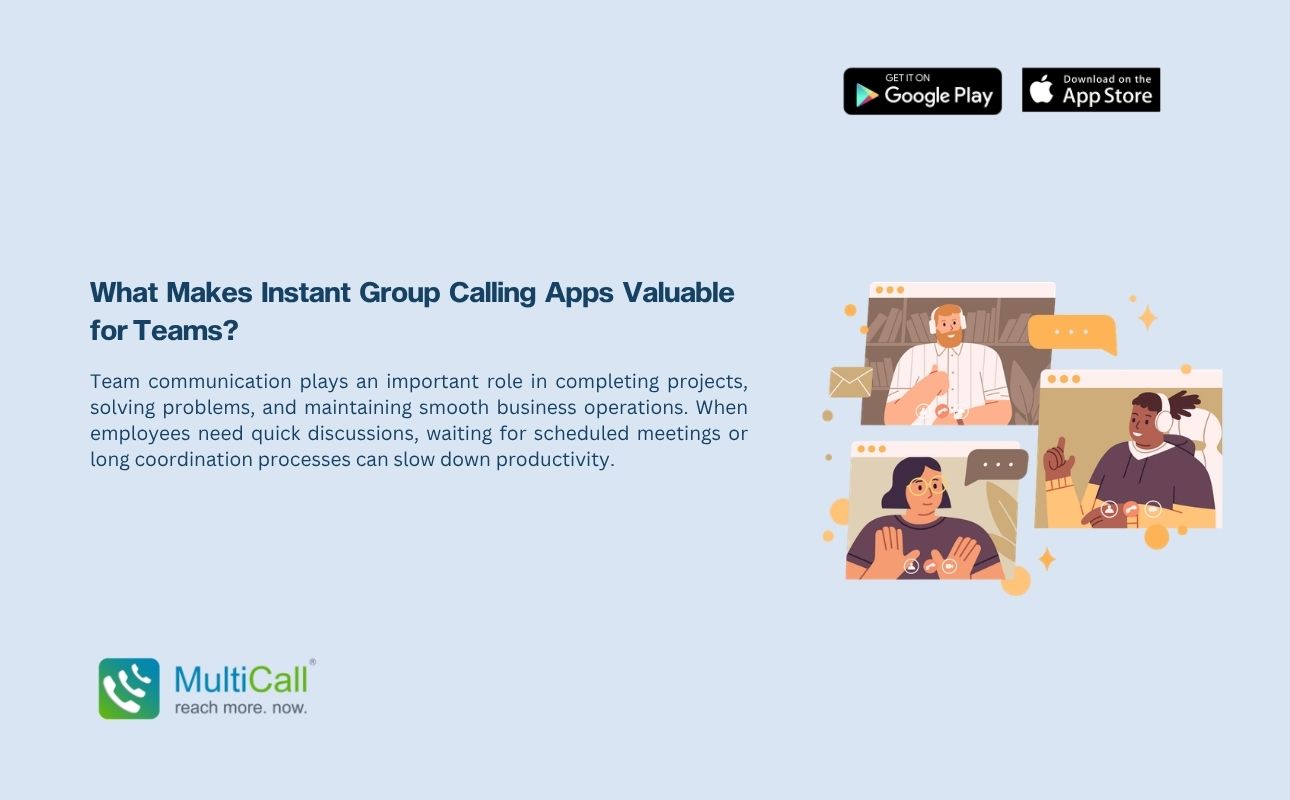
The MultiCall solution is centered around team calling. Group calls over voice make it possible for teams to coordinate schedules, share information, and discuss important topics. MultiCall enables users to connect in the fastest, most reliable, and most secure way possible.

It could be a village doctor trying to connect with a specialist in the city or a mobile medical team updating the hospital about their work. With MultiCall’s PSTN backbone, such calls go through with reliability, without needing high-speed data or Wi-Fi.

Efficiency equals profitability in business; central to that is communication. Countless organizations have miscalculated the cost of an unreliable phone or messaging application. Hours of delays, dropped calls, miscommunication, lost meetings, and disjointed coordination can translate into serious financial loss for an enterprise.
Communication has become less of an amenity and more of an investment. Enterprise voice communication software like MultiCall, with a complete solution for large teams, comes with a very clear and direct return on investment (ROI) through increased productivity, decreased downtimes, and operationally safeguarded communication.