The Shift Toward Simpler, More Reliable Communication
Enterprises nowadays are overwhelmed with numerous communication platforms touting enhanced teamwork, more efficient gatherings, and streamlined processes. Video conferencing has long been a primary feature, enabling virtual face-to-face contact. However, as organizations embrace mixed and remote work arrangements, many are realizing that video can often be more taxing than expected. The need for substantial bandwidth, mental effort, continuous patches, and reliance on robust internet access have introduced fresh obstacles for groups aiming for smooth interaction.
This is precisely where Calling Services leveraging the traditional telephone network (PSTN) and Internet-free Group Calling emerge as strong options. While discussions often revolve around cutting-edge video conferencing, businesses valuing dependability are revisiting the core principles of excellent voice interaction. Audio conferencing, especially through a dependable system such as MultiCall, provides steady intelligibility, immediate reachability, and effortless teamwork—all crucial elements for maintaining business resilience.
When weighing these contemporary video technologies against voice platforms powered by the PSTN, it’s evident that audio continues to serve as the foundation for professional dialogue and continuous business operation.
The Bandwidth Burden of Video Communication
Modern video conferencing systems utilize substantial amounts of data. For one meeting, the baseline required data rate can span from 1.5 Mbps up to 5 Mbps per participant, varying with the chosen video fidelity. In practical scenarios, personnel often experience problems such as stalled visuals, distorted sound, delays, and software failures—particularly when connecting from distant sites, less developed regions, or using cellular links.
The increasing phenomenon of video call strain indicates that while video meetings appear beneficial, they frequently overburden both hardware and network capacity. Staff members have difficulty connecting to sessions due to poor reception, and numerous companies face interruptions because the infrastructure cannot manage the load. These circumstances introduce unreliability into collaborative voice exchanges and lead to communication slowdowns that hinder swift choices.
PSTN-based Calling Services circumvent this challenge completely by utilizing specialized voice networks. Rather than depending on unreliable broadband links, these calls function over robust, high-quality carrier infrastructure, guaranteeing connection even during data network outages. This dependable nature provides PSTN audio a marked edge over systems prioritizing video.
Why Audio Clarity Matters More Than Visual Presence
Businesses increasingly note that many meetings don’t necessitate visual elements. For routine internal exchanges, brief check-ins, updates from remote sites, and client reviews, the demand for seeing others is minimal. The crucial factor is lucidity—ensuring instructions are audible, preventing misinterpretations, and facilitating rapid choices.
Top Audio Conferencing Applications emphasize superior voice quality because executives grasp the impact of communication failures. Just one misinterpreted directive can throw off an entire process. A late piece of information can stop activities. A weak link during a client conversation can erode confidence and standing.
In contrast to video systems that reduce audio fidelity to accommodate video streams, PSTN directs sound via specialized paths, guaranteeing premium PSTN Call quality consistently. Organizations gain enhanced reliability when they focus on robust audio delivery instead of battling to keep a video stream functional.
Stability in Crisis Situations and Remote Locations
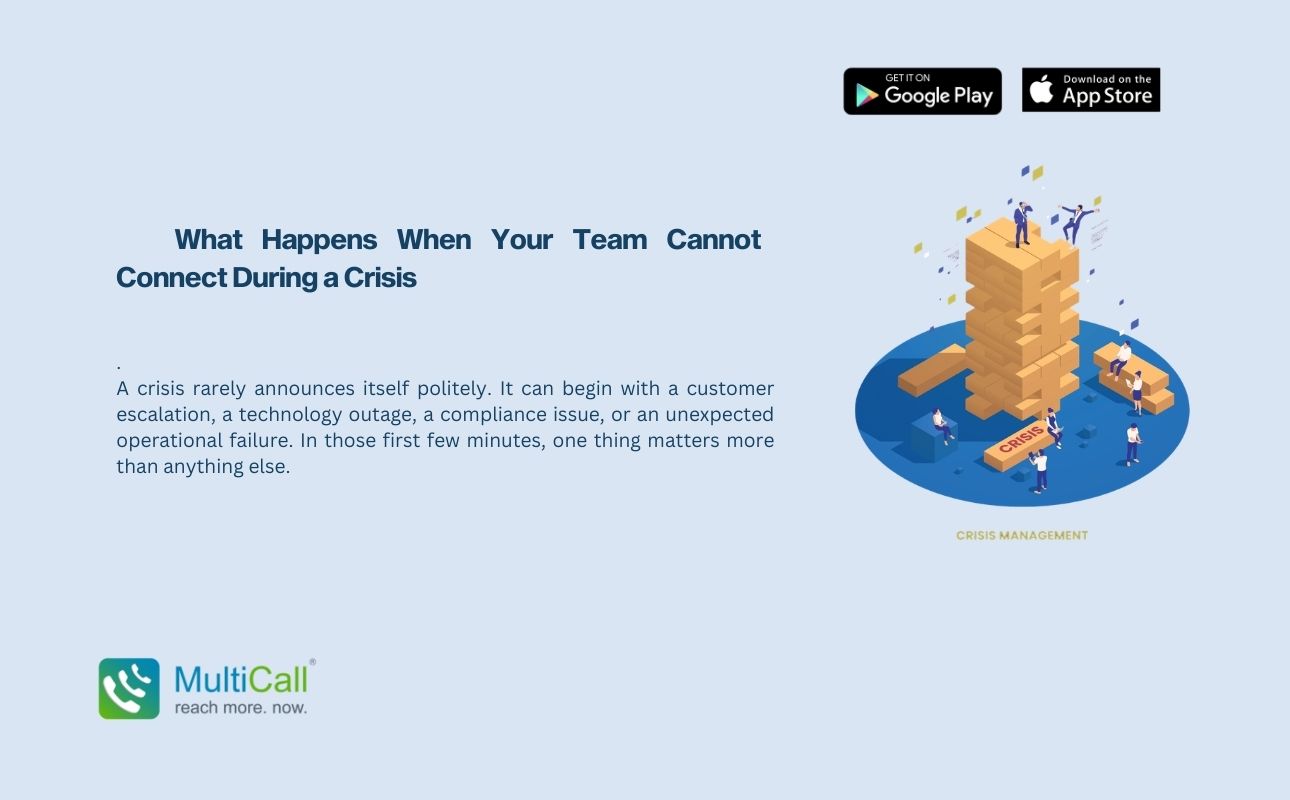
When unforeseen events happen — severe weather, loss of power, severed fiber lines, digital threats, or overloaded networks — internet-dependent tools frequently cease functioning first. This presents a significant challenge for operations in sectors like supply chain, medical services, on-site support, energy, production, and disaster relief.
Voice connectivity utilizing the traditional telephone system (PSTN) retains its functionality even amid severe circumstances. The capability for group calls independent of the internet ensures teams stay in touch when it matters most. Discussions proceed without faltering as they rely on the fundamental telephone infrastructure, which is naturally more robust than systems driven by the internet.
Modern video conferencing solutions cannot assure the same dependable performance. Should the wireless connection drop, the conference ends. However, PSTN audio remains consistently available, establishing itself as the foundation for uninterrupted business dialogue throughout crucial activities.
Lower Cognitive Load and Reduced Fatigue
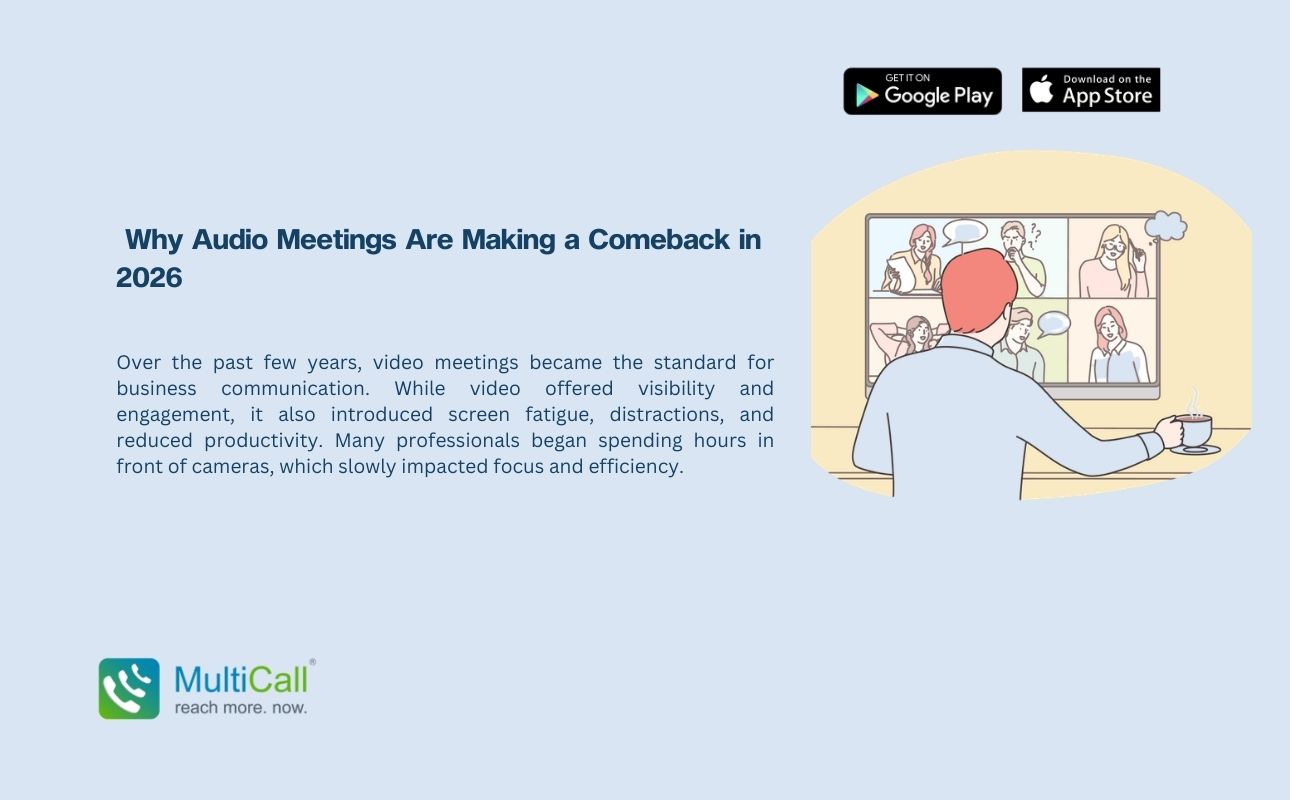
Video calls require sustained visual attention, reading non-verbal cues, and always being prepared to be seen. This elevates mental demands and exhausts staff across longer periods. Staff members have to manage their surroundings, illumination, expressions, and how they appear, resulting in video-related weariness that affects output.
Audio-only interaction fosters a more organic feel. Freed from the obligation of being on screen, group participants can dedicate their full attention to the substance rather than looks. This supports deeper hearing, more lucid thinking, and enhanced involvement — particularly in regular talks.
For Tools that Promote Successful Team Interaction, lessening tension and fostering sound ways of conversing are a crucial element of total performance. Standard telephone audio enables teams to remain focused without diversion, leading to more seamless teamwork.
Privacy and Security Strengths of PSTN Audio
Numerous organizations within controlled sectors such as healthcare, finance, legal services, insurance, infrastructure oversight, and public administration are obligated to follow rigorous communication protocols. Video conferencing solutions frequently retain operational data, access records, meeting URLs, and participant details on cloud-based systems. This elevates the risk of encountering digital security hazards.
Safeguarding group conversations via PSTN-integrated applications offers superior defense for these exchanges. Since the calls bypass the public internet, the potential avenues for attack are reduced. Additional capabilities like call number obfuscation further shield personal details during interactions involving different teams or outside parties.
This fusion of PSTN-based protection and centralized administrative oversight allows entities to uphold regulatory adherence while keeping internal operations shielded.
Consistency Across Large and Distributed Teams
As the number of attendees rises, video conferencing tends to become less dependable. Larger groups necessitate more video feeds, increased data usage, and a higher likelihood of system strain.
Conversely, systems built on voice technology manage growth more smoothly. Solutions utilizing PSTN for efficient group calls allow hundreds to participate without any drop in fidelity. Audio performance does not suffer under heavy usage to the extent that video does.
Consequently, PSTN audio is perfect for organizational broadcasts, company-wide assemblies, emergency management, and multi-unit updates.
Why Video Cannot Replace Voice as the Foundation of Business Communication
Video certainly has its merits—it’s particularly useful for presentations, showcasing products, or in educational settings. However, as the bedrock for routine daily functions, video lacks the robustness and dependability found in traditional phone connections. Organizations require means of connection that function reliably, no matter the location or circumstances.
Voice interaction remains enduring because it’s accessible to virtually everyone. Regardless of whether an individual has a mobile, a basic handset, or a desk phone, the standard telephone network guarantees dependable access. In this current period where workforces are frequently mobile, this widespread usability is a significant plus.
For this reason, standard voice calls still surpass even the top video conferencing platforms when measured by practical dependability.
Conclusion
The corporate landscape is leaning towards ease of use, dependability, and broad availability. Though video remains a valuable asset, it’s ill-suited as the default communication method for all scenarios. Voice solutions that utilize PSTN provide unequaled steadiness, clear transmission, and quick response. These systems minimize hurdles, lower expenses, and sustain teams regardless of their connection quality.
MultiCall is central to this shift, merging superior PSTN calling with intelligent capabilities such as appointment setting, contact hiding, voice insights, and rapid conference calls. As Voice API integration becomes standard within company platforms, spoken interaction is growing more sophisticated and embedded than previously imagined.
When video falters due to network constraints or audience exhaustion, voice triumphs. And when maintaining business resilience is key, PSTN audio offers the most robust and trustworthy underpinning for contemporary communication.