
multicall

MultiCall's Role in Facilitating Effective Crisis Management

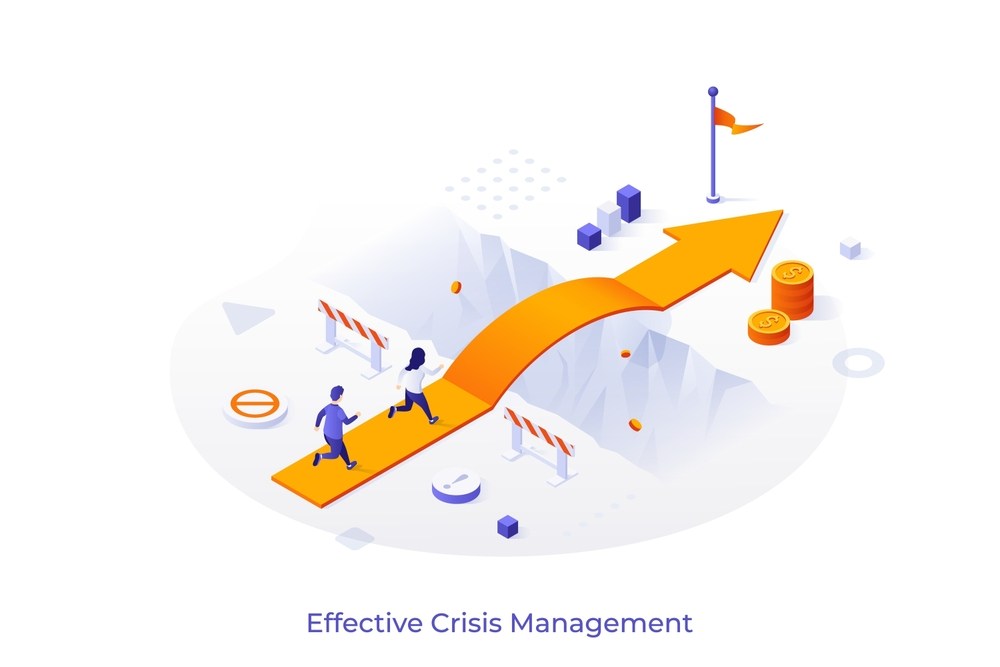
In times of crisis, communication becomes more critical than ever. MultiCall provides a robust platform that can play a pivotal role in crisis management by ensuring that timely and effective communication is maintained during emergencies. This blog discusses how organizations can leverage MultiCall to enhance their crisis management efforts.

Immediate Response Capabilities

One of the key features of MultiCall is the ability to quickly set up calls with multiple participants. In a crisis situation, where every second counts, being able to instantly communicate with all relevant stakeholders is invaluable. MultiCall enables organizations to disseminate information rapidly and coordinate response efforts without delays, which can be critical to minimizing the impact of the crisis.

Coordinating Remote Teams

During a crisis, coordination among team members who may be dispersed across various locations is essential. MultiCall facilitates seamless communication with remote teams, ensuring that everyone stays informed and aligned with the crisis response strategy. This is particularly important when physical presence is restricted, as in the case of natural disasters or public health emergencies.

Scalable and Flexible Communication

Crisis situations often require the ability to scale operations quickly. MultiCall’s scalable solution can accommodate anything from small-scale briefings to large-scale emergency communications. Its flexibility also allows organizations to adapt their communication strategy as the situation evolves, which is often necessary during prolonged crisis events.

Ensuring Continuity of Operations

For many organizations, maintaining operational continuity is crucial, even in a crisis. MultiCall helps ensure that key operations can continue by providing a reliable communication tool that supports decision-making and problem-solving discussions among leaders, regardless of their physical locations. This continuity is essential not only for the organization’s survival but also for providing support and services that may be critical during the crisis.

Robust and Reliable Communication

In a crisis, reliable communication is a must, and MultiCall’s platform is designed to be robust under pressure. It provides clear, uninterrupted communication that organizations can rely on, even when other systems might fail. This reliability makes it an excellent choice for emergency preparedness plans.

Training and Preparedness

Preparedness is key to effective crisis management. MultiCall can be used for training sessions and simulations that prepare organizational teams for emergency scenarios. These sessions can be conducted regularly and remotely, ensuring that all team members are well-prepared and aware of their roles and responsibilities during a crisis.

Conclusion

MultiCall’s ability to provide immediate, scalable, and reliable communication makes it an essential tool for effective crisis management. Organizations can leverage MultiCall to enhance their preparedness, coordinate better during emergencies, and ensure continuity of operations when it matters most. In a world where crises can arise unexpectedly, having a dependable communication tool like MultiCall can make a significant difference in the outcome.

By incorporating MultiCall into their crisis management strategies, organizations can ensure they are better equipped to handle emergencies efficiently and effectively.

Contact Form


apple-store-app
google-play-app

YOU MAY ALSO LIKE

communication

Communication Stability as a Business Continuity Tool

Business continuity depends on consistent and reliable communication. During disruptions, whether technical failures, natural events, or sudden operational challenges, teams must stay connected to maintain productivity. Audio conferencing offers a stable solution, allowing enterprises to continue operations seamlessly.

Read More »
voice backup

Why Enterprises Should Have a Backup Voice Strategy

Unexpected disruptions can hit any business. Internet outages, technical failures, or emergencies can stop normal communication, affecting productivity and decision-making. Having a backup voice strategy ensures enterprises remain connected, respond quickly, and maintain operations even during disruptions.

Read More »
real time communication

Why Real-Time Voice Communication Wins in Emergency Scenarios

Emergencies demand speed and precision. When unexpected events strike, whether in business, healthcare, or field operations, delays in communication can cost time, resources, and even lives. Real-time voice communication ensures teams connect instantly, make quick decisions, and respond effectively.

Read More »
audio secure

The Real Value of Simple, Secure Group Calling

In busy enterprises, communication should be simple, reliable, and secure. Complex platforms or unreliable connections can slow down collaboration and increase risks. Simple secure group calling provides a foundation for effective teamwork, allowing employees to focus on their work while staying connected and aligned.

Read More »
audio

 Why Audio Communication Is Still the Backbone of Enterprises

Even in the era of video calls and chat platforms, audio communication remains the most reliable and effective way for enterprises to connect teams, partners, and clients. Clear voice interactions allow organizations to share information instantly, make decisions faster, and maintain alignment across departments. Audio remains the backbone because it combines clarity, accessibility, and speed in ways that other tools often cannot match.

Read More »