The Rise of Instant Collaboration
Company interaction has moved past typical meetings and extended preparation periods. Workgroups now demand prompt alignment—swift replies, live status updates, and adaptable dialogue across different sites. MultiCall closes this divide with a rapid conference calling solution crafted for actual business settings where network access is intermittent.
Why Instant Group Calling Matters
Contemporary enterprises succeed through swiftness. Postponed messages, sluggish electronic mail chains, or untrustworthy video conferences can jeopardize business results. MultiCall allows for direct team discussions without software installations, dependence on the net, or complex setup. This straightforwardness transforms how organizations execute group dialogue.
PSTN-Based Reliability for Business Operations
MultiCall utilizes PSTN-based telephony services to establish steadfast voice connection, contrasting with VoIP applications that rely on data throughput. When personnel are traveling, on location, or in remote locales, PSTN keeps the voice link solid. This fosters smooth business interaction for firms operating through challenging areas.
Effective Team Collaboration Without App Fatigue
Numerous effective team interaction platforms necessitate logins, updates, and high-speed data. MultiCall removes these obstacles. Participants are brought into the discussion directly via their telephone number. They require no smartphone, no specific software, and no access credentials. This renders MultiCall accessible to every team member, irrespective of device capability.
Smart Scheduling for Business Growth
Immediate interaction is vital, yet organized coordination is equally crucial. MultiCall incorporates call organization utilities that assist supervisors in forethought. With alerts and computerized dialing, teams sustain rigor and uniformity without manual schedule upkeep. This adds to streamlined group calling provisions.
Security and Privacy as Core Features
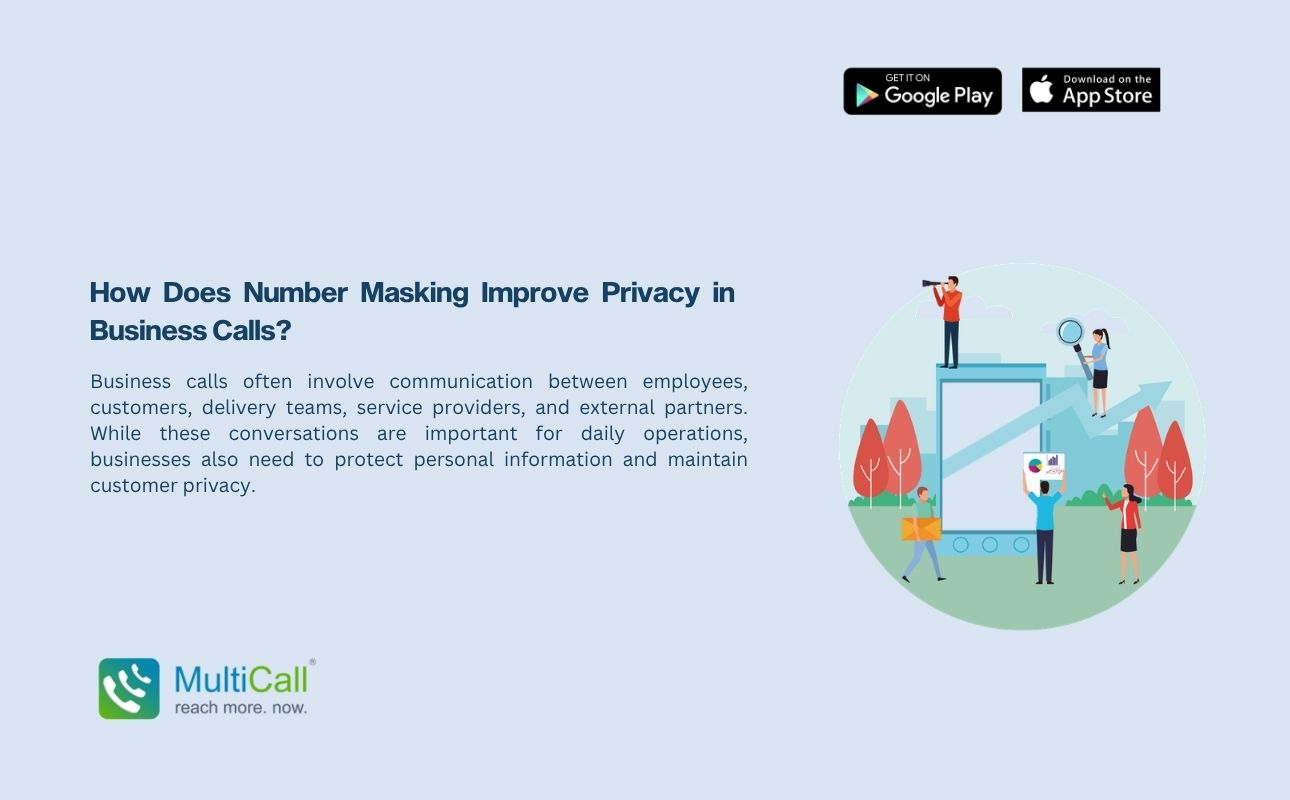
MultiCall’s protected architecture includes number obfuscation during calls, positioning it as a prime selection for corporations valuing secrecy. Team members, external partners, and patrons engage without revealing personal digits. This builds confidence and lessens the likelihood of misuse.
Cost-Efficient Communication for Scaling Companies
Enterprises internationally seek economical calling options that deliver strong returns. MultiCall negates the requirement for costly video systems, VoIP subscriptions, or specialized hardware. By leveraging existing telephone infrastructure, companies cut overhead while broadening their communication reach.
Future-Proofing Communication with Voice API Integration
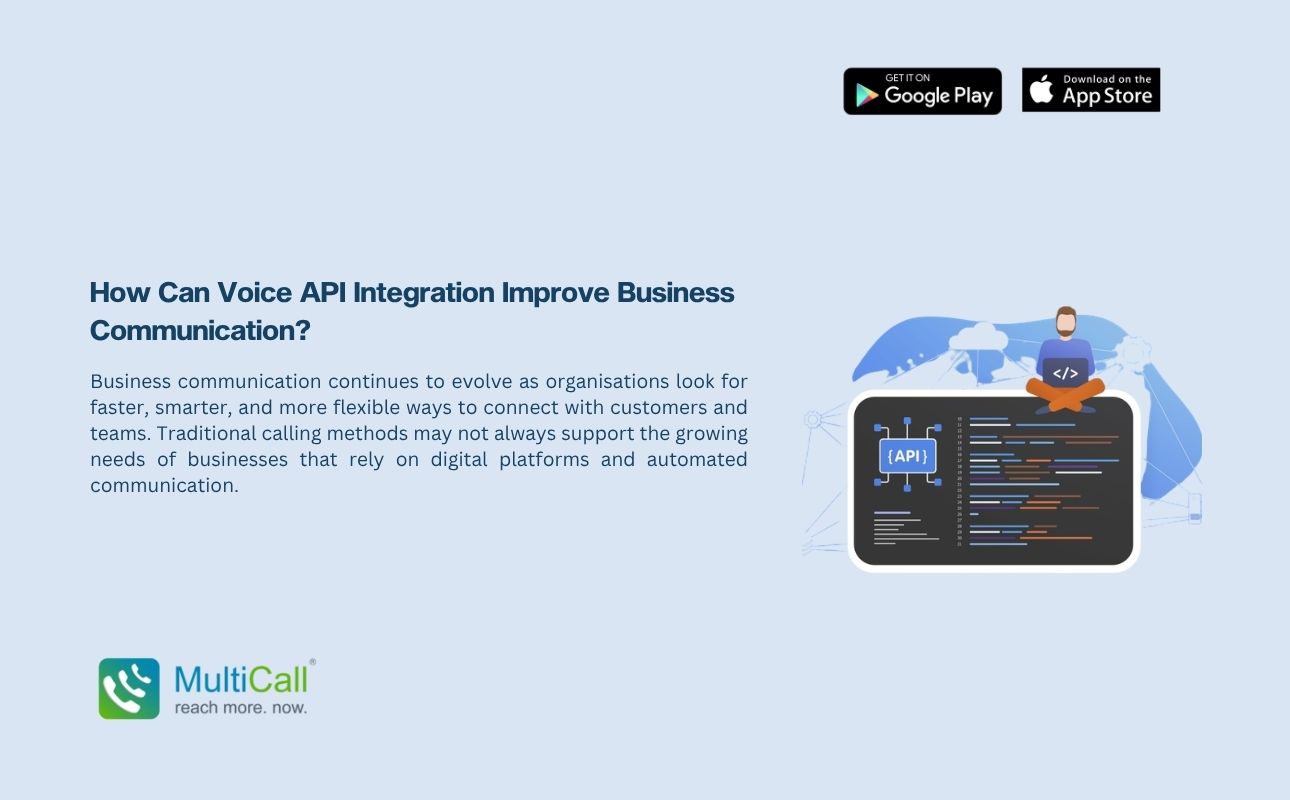
MultiCall connects with enterprise platforms via voice API integration to offer automation, performance metrics, and thorough documentation. Organizations can embed calling functionalities within their client management systems, support desks, or project trackers, making interaction more intelligent and foreseeable.
Summary
Immediate alignment will characterize the next era of business exchange. MultiCall spearheads this progression through its rapid group calling, privacy-focused structure, PSTN stability, and economical design. It presents the ideal fusion of velocity, security, and ease of use, establishing it as the forward-looking recourse for conference call business needs.