The Everyday Struggle With Repetitive Logins
Workplace interaction is now the foundation of current business, with groups heavily dependent on portable gadgets, spread-out procedures, and rapid synchronization to maintain progress. However, a significant hurdle in everyday exchanges is unexpectedly straightforward: the continuous necessity to sign in, verify identity numerous times, input security codes, and traverse different programs merely to link up with coworkers.
This drag on proceedings diminishes output, interrupts teamwork, and causes hold-ups that affect entire business units. Constant Access Calling Programs remove this needless impediment by granting teams uninterrupted entry to communication, circumventing recurrent validation procedures. MultiCall serves as a prime illustration of how this advance boosts effectiveness, integrating continuous sign-in with external telephone network (PSTN) Calling Services to forge an uninterrupted, perpetually available way to communicate.
How Continuous Login Minimizes Downtime
Maintaining a constant login status minimizes inactivity by enabling individuals to stay linked perpetually. In the majority of software, personnel must repeatedly enter credentials or reconfirm who they are, particularly following program refreshes, device reboots, or extended lulls.
Staff members waste valuable moments daily awaiting one-time passwords, re-logging due to lapsed sessions, or resolving entry complications. While this break might seem small individually, when aggregated across numerous staff members and extended timeframes, the reduction in efficiency becomes substantial.
MultiCall eradicates this entirely by preserving user authentication constantly, guaranteeing that anyone utilizing the Group Calling Application can join or commence calls without delay. This fluid accessibility is vital in operational settings where delays are unacceptable, such as in supply chain, sales, medical services, building trades, production, and client assistance.
Reliable Communication Beyond Internet Limitations
Separate from applications requiring an internet connection, MultiCall utilizes High Quality PSTN Calling, letting workforces link up via mobile networks even when data is unreliable or absent. This is particularly vital for extensive, dispersed enterprises needing Effective Group Calling Solutions spanning city, countryside, far-flung, and mobile work settings.
VoIP platforms and Modern Video Conferencing setups frequently fail under weak connections, resulting in stalled visuals, delayed sound, and lost dialogues. MultiCall, conversely, provides Group Calling Independent of Internet, ensuring continuous voice interaction even when Wi-Fi strength is low or cellular data fluctuates.
Persistent session access becomes even more beneficial here, as the user bypasses the need to wait for an application to boot or verify credentials online. Through MultiCall, they just take the voice call and enter right away.
Why Always-On Login Benefits High-Mobility Teams
Workgroups requiring precise information exchange see the greatest advantages from continuous sign-in. For example, mobile crews performing checks or setups must have unbroken voice contact with their managers. Stay-signed-in access lets them relay developments right away as events occur.
Support staff operating across different areas need steady connection to coworkers for prompt replies, and they can’t have their flow disrupted by app sign-ins or verification issues. Traveling sales personnel moving between client appointments count on rapid contact, notably when discussing costs or verifying stock.
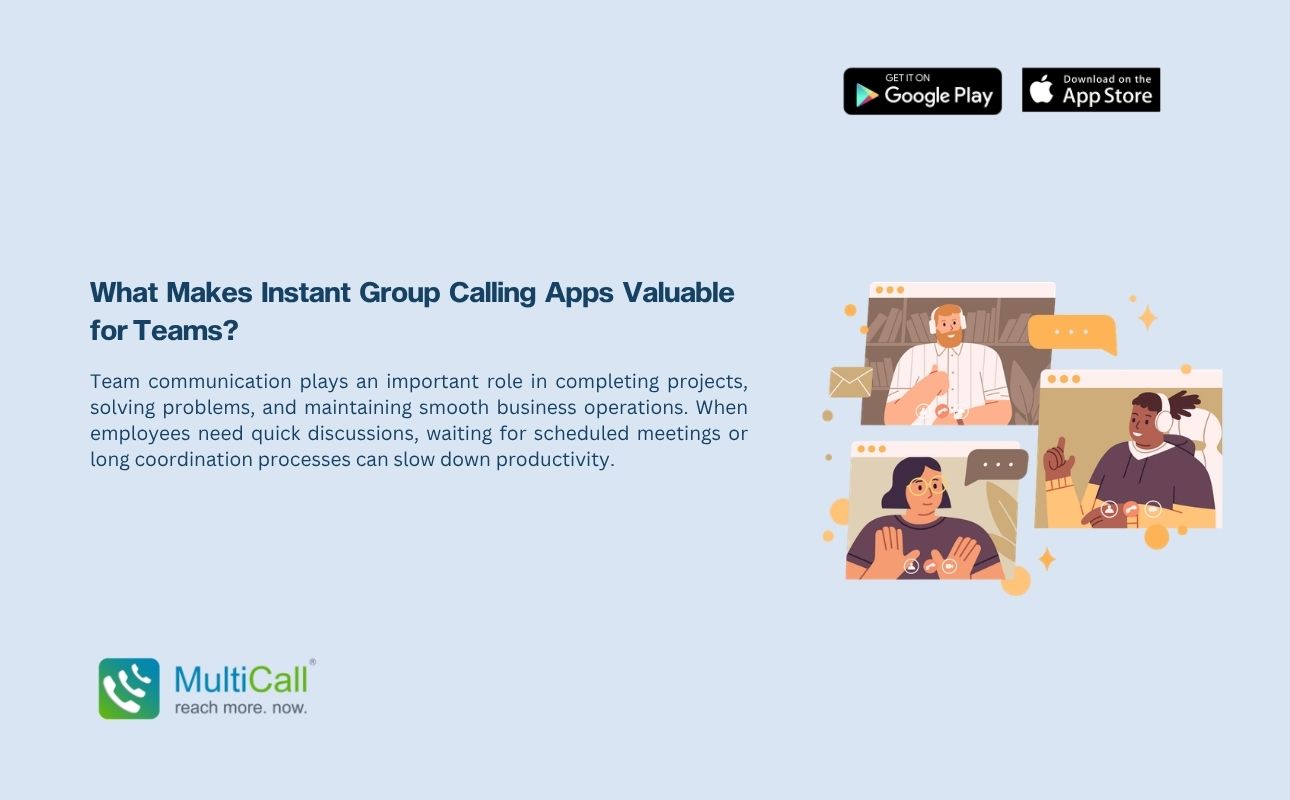
Unbroken login means they can join group voice apps instantly, bypassing the need to find meeting codes or wait for voice tools to launch. This immediate link nurtures client bonds, improves reaction times, and aids in securing agreements quicker.
Enhanced Productivity With Added MultiCall Features
MultiCall improves this convenience with tools like Caller ID masking, setting up calls in advance, and proactive alerts. While the main gain from staying logged in is availability, it gains even more power when paired with Caller ID Obfuscation during calls. This keeps private numbers concealed, safeguarding privacy while keeping professional dialogue flowing.
Sales groups, healthcare workers, finance experts, and public servants all depend on this level of privacy. Persistent login also allows for better operation of Call Programming Tools. Users can plan calls within the application and trust that, when the scheduled time arrives, they will connect instantly without wrestling with login details.
Automatic notifications support participation, removing slowdowns from overlooked meeting links or access hurdles. These capabilities together foster an atmosphere where Effortless Professional Dialogue is standard practice, not the exception.
Continuous Login as the Future of Workplace Communication
The path forward for corporate dialogue centers on eliminating barriers hindering swift team interactions, rather than introducing more intricacy. Apps featuring Continuous Sign-On resolve a notably straightforward yet highly beneficial hurdle in digital interaction.
When paired with the dependability of telephone network-rooted Calling Services, MultiCall establishes a unified dialogue structure where teams maintain their pace, irrespective of network stability, equipment constraints, or user familiarity with digital tools. Never needing to log in repeatedly is beyond a simple ease of use—it’s a tactical benefit.
This grants enterprises the capacity to operate at greater speed, react more promptly, and cooperate seamlessly. For enterprises in pursuit of an Affordable Calling Option that merges ease of use, safety, and trustworthiness, MultiCall distinguishes itself as a voice-centric system built for tangible results.