


REDUCING DOWNTIME: MULTICALL AS A BACKUP COMMUNICATION CHANNEL FOR IT TEAMS
The problem is, when critical technology goes down, the communication channels IT teams depend on, such as VoIP, chat, or cloud-based services, often go with it.
It’s necessary to gather your team, and set forth to brief them. In this process, you ensure that you have discussed the latest trends and developments with them, along with the goals of the organization, and the opportunities and threats ahead.
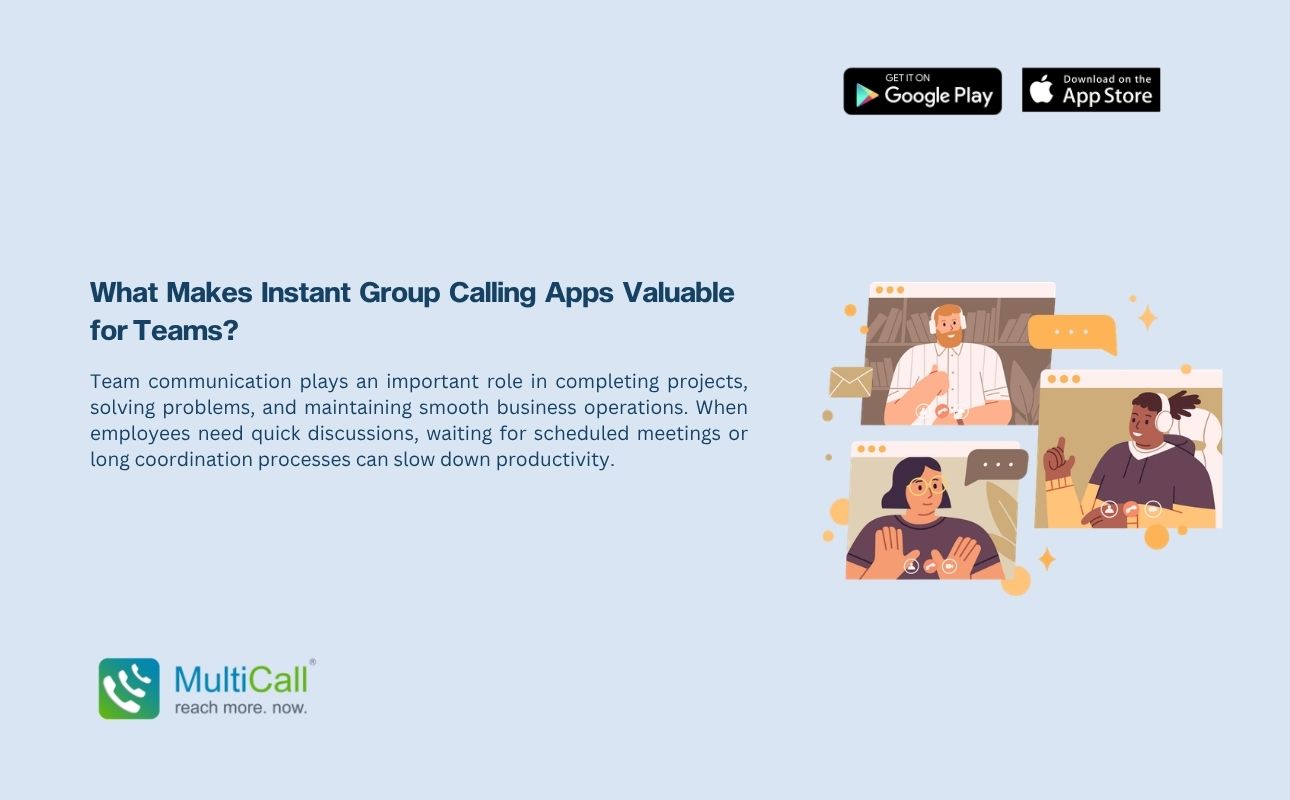
Your team will need to hear important news from you; regardless of whether it’s good or bad. This is also a factor critical towards recognizing and motivating your team on call. One such tool to help you gather your team is MultiCall, a calling app that allows group collaboration, and calling many with the ease of calling one.
Both the ability to effectively communicate and to swiftly allocate tasks are dependent on giving and taking feedback. At this point, the leader sits with the team and lets them know exactly how they are doing. This is inclusive of considering the following questions:
Are they meeting your expectations?
What are their goals and challenges? How can you help?
This also means at the same time that you request feedback for yourself as well, particularly in light of what they would like to see from you as a leader. Taking notes is critical in effective MultiCalling, so document the specified areas of improvement.
Greater receptivity of feedback would signify a more efficient and effective allocation of tasks. As a result, one would have a more streamlined communication among teams therein.
We live in a world with multiple channels and sources that lead to an ocean of information. But the relevance, validity, and reliability of this information are only as strong as the questions asked about them.
The element of asking questions is one of the most useful communication tools that anyone and everyone should have in their toolkit. It results in one becoming a more connected and genuine communicator, making it a very important art to master with regard toward providing team feedback.
Asking open questions is the first step in this regard; starting with “how”, “what”, “when”, “where”, “who” or “why”. Basically, these cannot be answered with a simple “yes” or “no”. In a group call you are likely to use open questions when:
You want to help change the mindset of those you’re on call with.
All relationships entail a give and take. Even the introductory handshake requires the giving of one hand and the taking of another. This applies just as much to collaboration as well. In fact, it’s the core of it. The ability to provide relevant feedback which is constructive and new can only happen when you give and take from one another while working as a team.
As a result, you can have a workforce that can continually grow. There is always a give and take relationship for a team. In these, what’s given and taken is knowledge, information and most of all feedback.

The problem is, when critical technology goes down, the communication channels IT teams depend on, such as VoIP, chat, or cloud-based services, often go with it.

MultiCall’s primary value proposition for NGOs lies in enabling HQ-foster connections with field-based teams through high-quality voice calls. Social projects are challenging in themselves; by facilitating multi-person calls in low-connectivity environments, MultiCall brings teams closer.

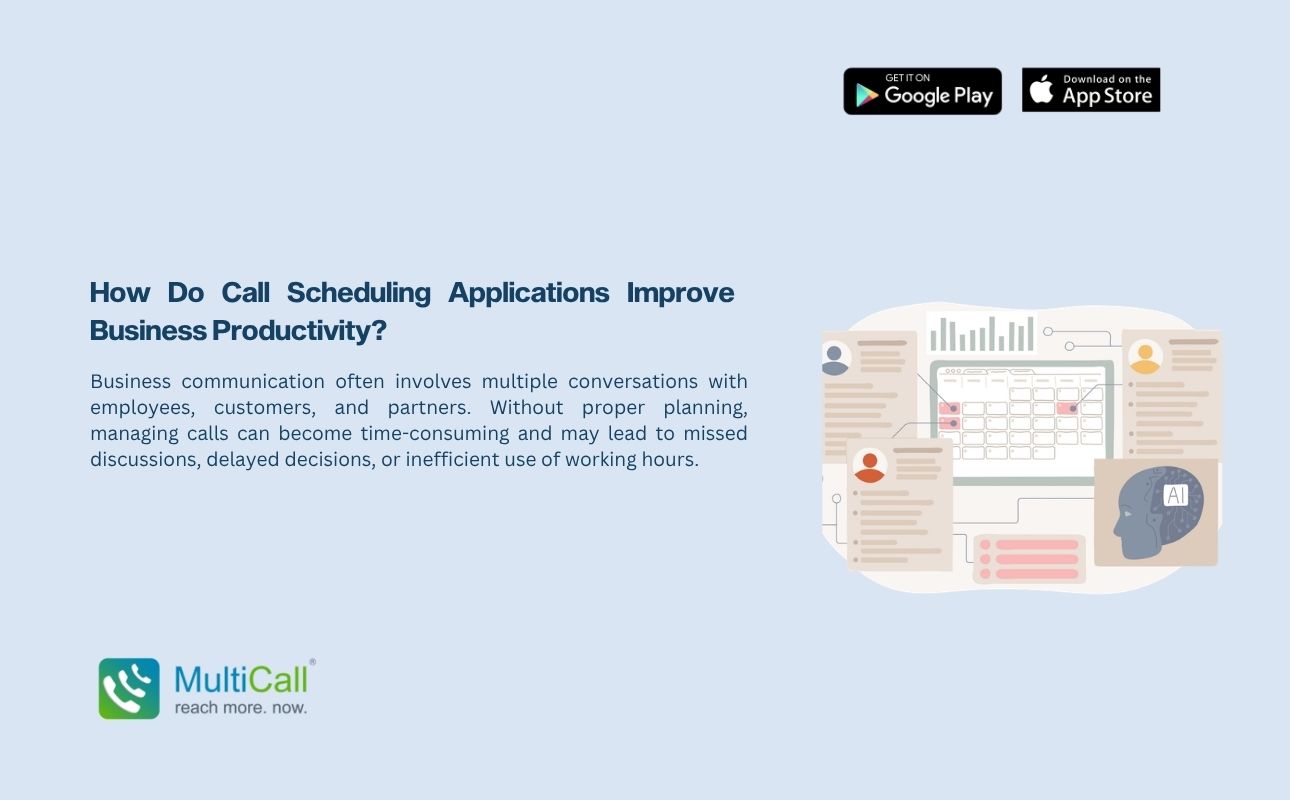
Large enterprises are all about collaboration. Enter MultiCall’s voice communication system that effortlessly connects multiple departments via unlimited group calling and smart scheduling.
Video conferencing often makes interdepartmental meetings inaccessible for many teams. When departments can’t meet without lags or face login issues and other video call mishaps, communication bottlenecks happen.

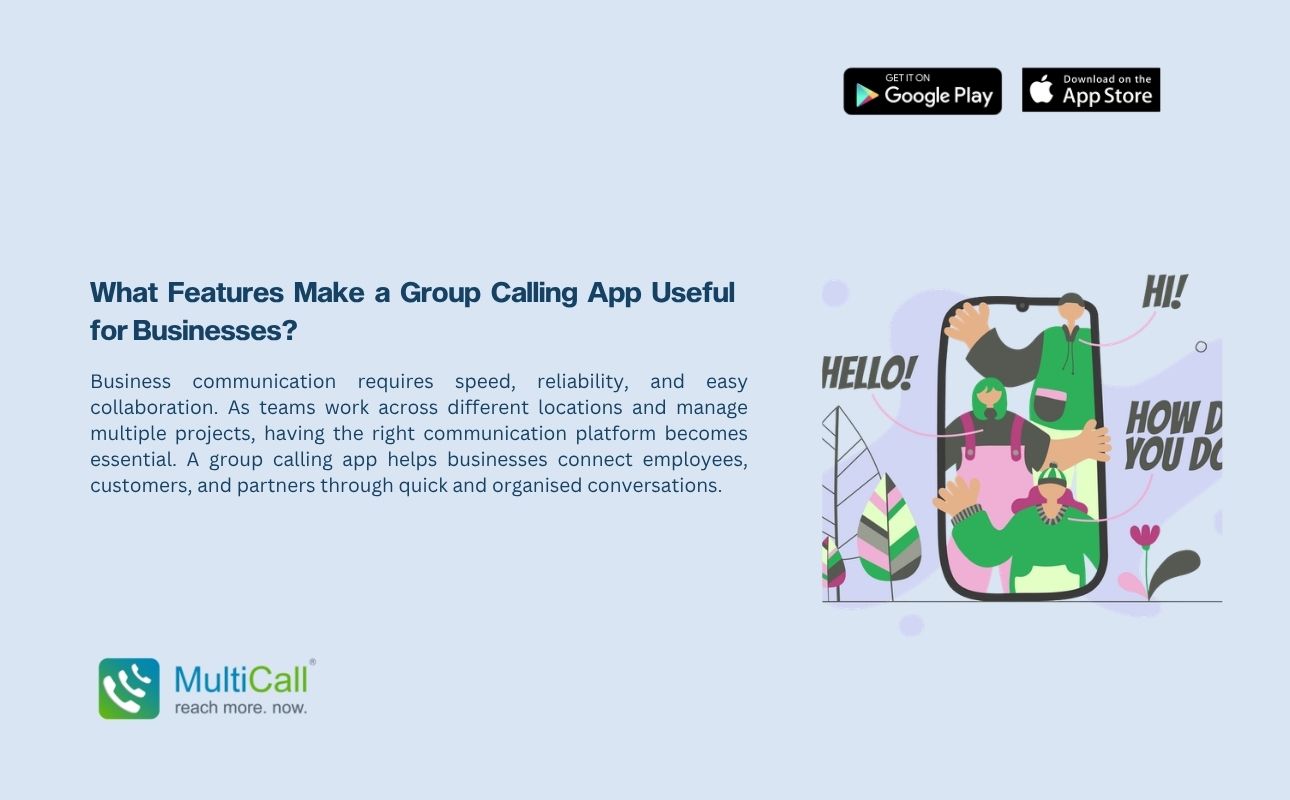
The MultiCall solution is centered around team calling. Group calls over voice make it possible for teams to coordinate schedules, share information, and discuss important topics. MultiCall enables users to connect in the fastest, most reliable, and most secure way possible.

It could be a village doctor trying to connect with a specialist in the city or a mobile medical team updating the hospital about their work. With MultiCall’s PSTN backbone, such calls go through with reliability, without needing high-speed data or Wi-Fi.

Efficiency equals profitability in business; central to that is communication. Countless organizations have miscalculated the cost of an unreliable phone or messaging application. Hours of delays, dropped calls, miscommunication, lost meetings, and disjointed coordination can translate into serious financial loss for an enterprise.
Communication has become less of an amenity and more of an investment. Enterprise voice communication software like MultiCall, with a complete solution for large teams, comes with a very clear and direct return on investment (ROI) through increased productivity, decreased downtimes, and operationally safeguarded communication.