Sound interaction forms the foundation of any thriving enterprise. Yet, as companies grow, the expense linked to communication frequently climbs. From cross-border calls to teamwork software, organizations can encounter substantial outlays if their communication framework isn’t managed smartly. Fortunately, intelligent calling options exist to enable entities to fine-tune their interaction methods, lower operational expenses, and amplify the effectiveness of every conversation. By utilizing resources such as PSTN-dependent calling features and budget-friendly calling plans, firms can simplify workflows while achieving savings.
The Increasing Demand for Fiscal Responsibility in Interaction
For businesses, particularly those with dispersed teams or personnel working remotely, communication expenditures can rapidly mount. Standard telephone services, internet-based voice tools, and video conferencing platforms frequently involve concealed charges, lengthy commitments, and variable rates. The opacity in pricing can leave organizations struggling to regulate their spending. This is where advanced calling systems become valuable. These systems offer a transparent and steady cost model, assisting companies in wielding influence over expenses efficiently.
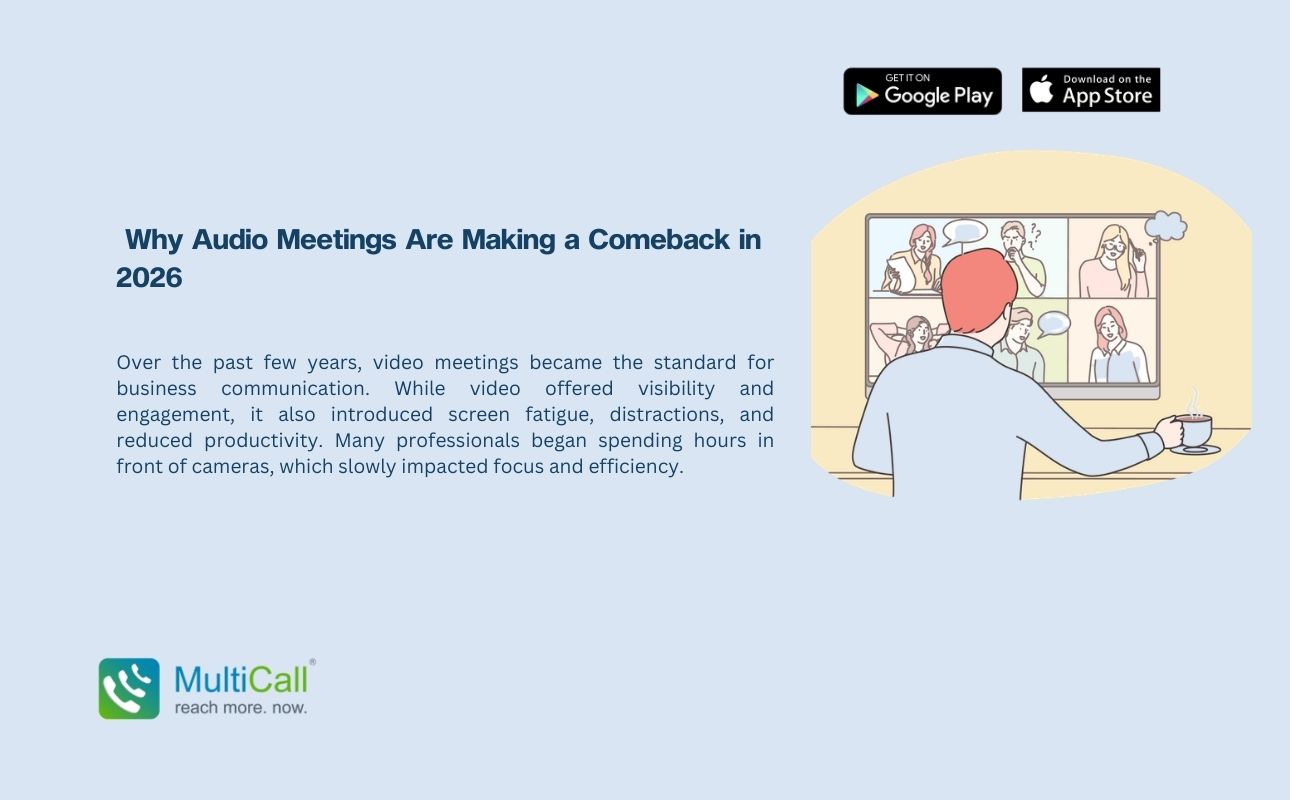
A crucial element of expense management is pinpointing superfluous spending. For instance, if a company leans heavily on video conferences, when the majority of discussions could be managed via voice calls, the outlay for video usage, data requirements, and other related fees might be too high. By transitioning toward voice-centric interaction methods, businesses can notably decrease expenditures on bandwidth while sustaining superior quality exchanges.
How Smart Calling Solutions Help with Cost Control
Reduced Dependency on Internet Data: A number of methods for staying in touch, particularly those for video meetings, demand a consistent web link with ample capacity to operate well. Utilizing services that employ the traditional telephone network allows organizations to sidestep data-intensive web calls, lessening the need for web capacity and lowering related expenditures.
Scalability and Flexibility: As enterprises expand, their needs for staying connected evolve. Clever calling options, such as immediate conference call applications, provide growth-oriented packages, enabling firms to pay only for the functionalities they require. Organizations can increase or decrease capacity according to how much they use things, without being bound to lengthy agreements or set structures, simplifying cost management.
Simplified Billing: By adopting an all-in-one solution for team calls in business communications, companies can combine their communication spending into a single, easily forecasted monthly statement. Instead of older communication approaches involving several suppliers with differing charges, smart calling systems simplify the payment process, making it simpler for businesses to monitor spending and pinpoint chances for savings.
Call Scheduling Applications: A prime strategy for reducing communication expenditure is to be smart about *when* calls take place. Applications for setting up calls let businesses arrange them for particular moments, avoiding unneeded excess usage or concurrent calls. Planning calls also helps diminish lost time due to unanswered or postponed connections, which can contribute to overall operating expenses.
Maximizing Value with Cost-Efficient Calling Solutions
Controlling expenditures involves more than just cutting costs; it’s about extracting the greatest worth from committed capital. Cost-effective calling systems empower organizations to strike this equilibrium by delivering superior communication quality at a sensible rate. Whether deploying traditional phone lines for dependable, clear voice interactions or utilizing straightforward dialing methods for faster participant connection, companies can maintain an efficient communication setup without excessive outlay.
Furthermore, enterprises can select from diverse packages—usage-based fees, all-you-can-call alternatives, or adaptable monthly agreements—that fit their precise requirements. This breadth of choices lets businesses select the most suitable arrangement, guaranteeing they attain peak benefit from every unit of currency expended.
Benefits of Using PSTN-Based Calling Services for Cost Control
Despite the rise of Voice over Internet Protocol (VoIP) services, traditional PSTN calling retains significant advantages for financial oversight. A primary benefit is that PSTN connections are generally immune to problems that affect internet-reliant calls, such as dropped data segments or network overload. This yields sharper, more dependable interactions, minimizing the necessity for subsequent calls or messages due to unclear exchanges.
In addition, PSTN calling can prove more economical for particular geographic areas or call types. For instance, organizations can leverage PSTN solutions for domestic or overseas calls without requiring costly data packages or video conferencing subscriptions. By integrating economical calling methods, businesses can communicate assuredly, free from worry about unforeseen charges or connection failures.
Streamlining Communication for Global Teams
For companies operating internationally, managing communication expenditures becomes even more vital. Cross-border calls, particularly those made often, can rapidly inflate bills. Utilizing group call applications or PSTN-based systems enables organizations to hold international discussions without accumulating massive telephone expenses. This concurrently removes the necessity for pricey hardware or intricate software, allowing firms to keep their communication tools straightforward and economical.
Ensuring Security Without Compromising Cost
Although managing expenses is crucial, organizations should never trade off safety for lower prices. Protected group call applications feature encryption, guaranteeing all business exchanges are safe without driving up spending. Furthermore, by employing apps with continuous login, companies can lessen the effort dedicated to overseeing user entry, boosting security without the added expense of several authentication tiers.
Conclusion
Intelligent calling systems are about more than just ease of use; they also ensure organizations can sustain strong communication effectiveness without overspending. By embracing budget-friendly calling options, making use of PSTN-reliant calling services, and employing call planning software, businesses can gain command over their communication outlays. These resources not only lower operating expenditures but also simplify dialogue, boost team synergy, and elevate output. The outcome is a more adaptable, economical, and linked enterprise prepared to succeed in the current competitive environment.