
multicall

Voice Quality Wars: What Sets HD Audio Calling Apps Apart in 2025  

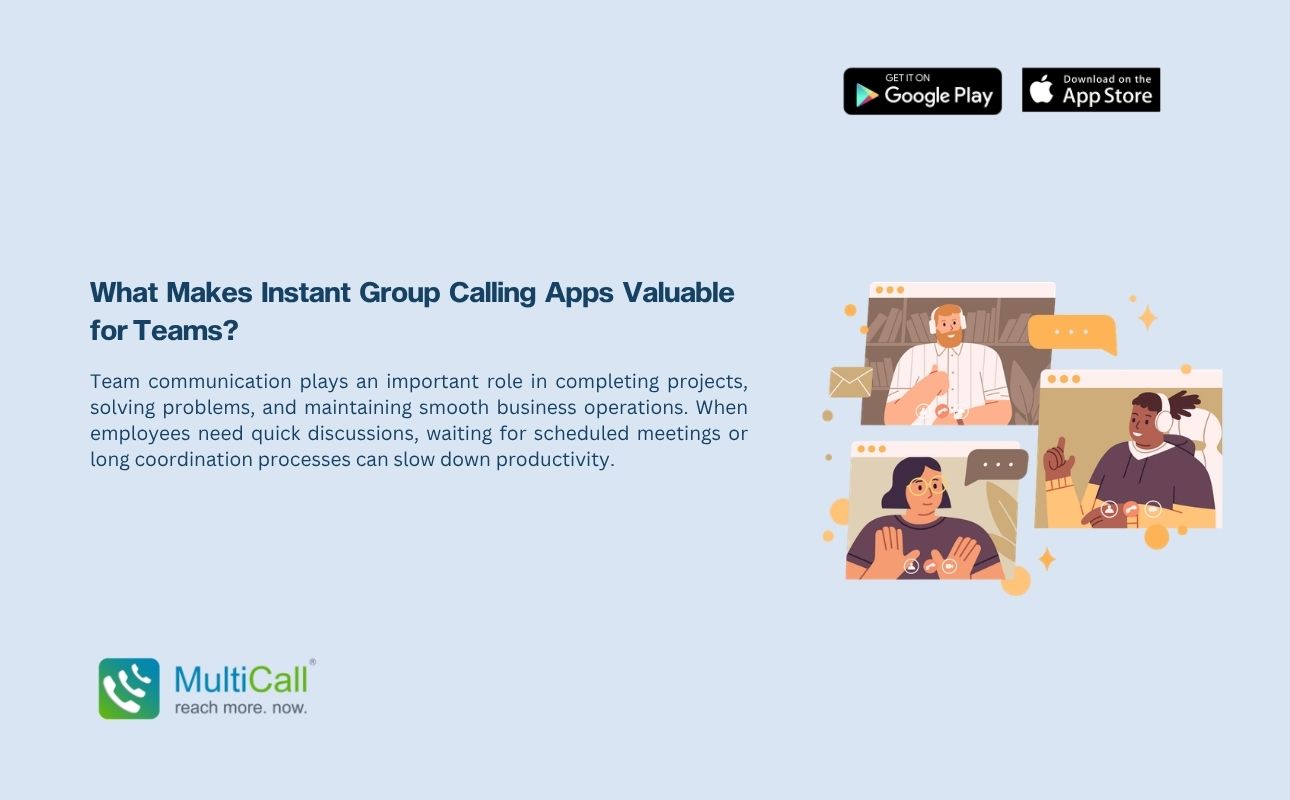
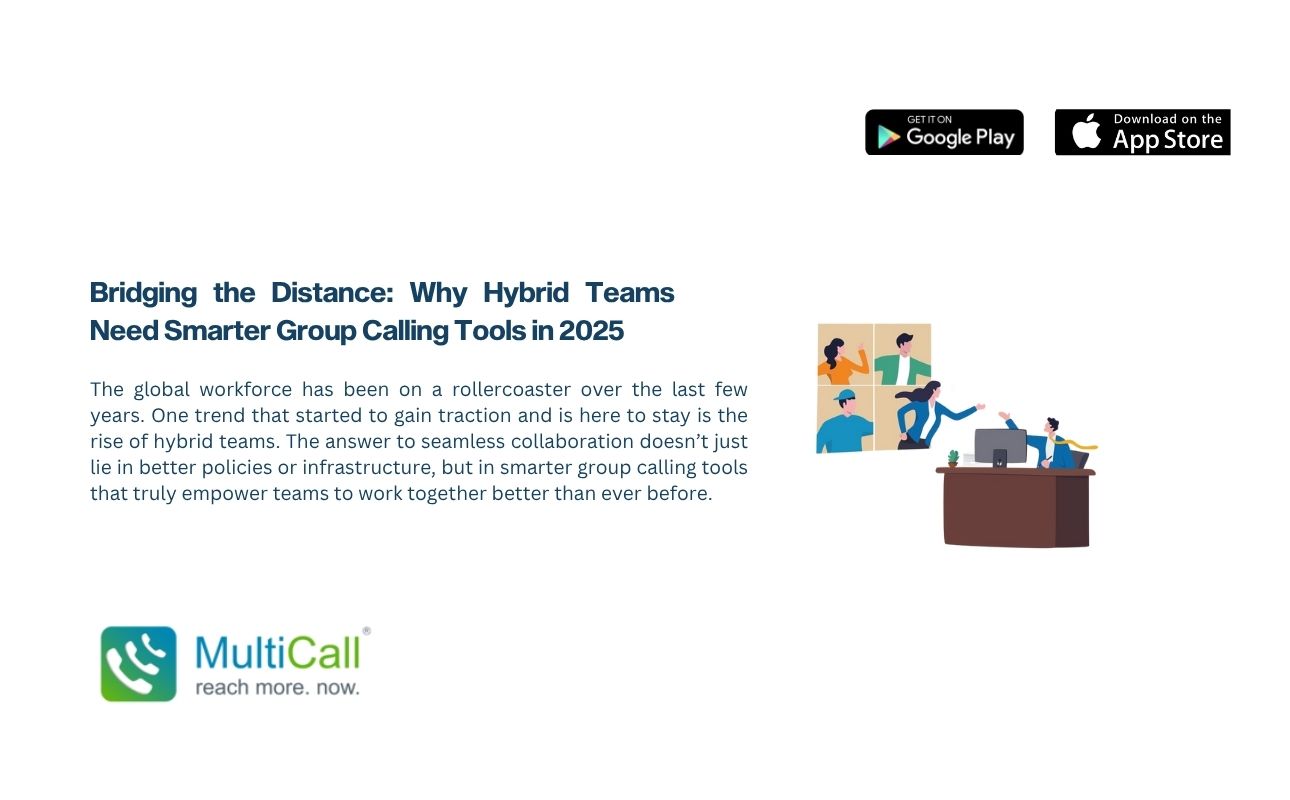
The global workforce has been on a rollercoaster over the last few years. One trend that started to gain traction and is here to stay is the rise of hybrid teams. The answer to seamless collaboration doesn’t just lie in better policies or infrastructure, but in smarter group calling tools that truly empower teams to work together better than ever before.

The Hybrid Conundrum: Meeting Demands from Every Angle

By 2025, working from home, working from the office, or anywhere in between has become the new normal for organizations around the globe. Teams are now more dispersed across time zones, devices, schedules, and work styles than ever before. The days of simply dialing in on video conferencing or plain old voice calls just won’t cut it. Organizational leaders have found that they need to plug in the “collaboration gap” using advanced group calling tools. These can’t be clunky, obtrusive, or just be digital facsimiles of past practices.

Group Calling = Productivity

Efficiency and productivity are also major takeaways when using next-gen group calling solutions. There is less time spent on “he said-she said” and more time on just doing the work. Group calling tools are also built to integrate with calendars, CRMs, project management systems, cloud storage, etc., all the way down to endpoints. This allows companies to form one unified, accessible, and secure communication center.

Keeping Data Safe and Sound

Meetings and calls have a way of often involving sensitive discussions. No surprise then that data privacy is becoming a top priority among users of group calling tools. Newer platforms are offering a much-needed sense of calm and confidence with features like end-to-end encryption, role-based access, and other security controls. These are all along with assuring meeting participants that their products are compliant with major data protection and privacy regulations such as GDPR, HIPPA, and others. Data privacy will be a critical differentiator for calling services to break into more highly regulated industries such as healthcare, law, and finance.

Conclusion

As hybrid work becomes the new normal for many, the future of group calling is right here right now. The time is now to invest in and future-proof your organization with smarter next-gen calling tools that will not just help your organization survive but truly thrive in a hybrid-first world. After all, in the next new world of work, successful organizations will be those that find innovative ways to truly empower and enable teams to connect, collaborate, understand each other better, and get more things done more quickly and easily. Here’s to a future of connecting in smarter ways than ever before.

Ready to supercharge your hybrid team?

Find out which group calling tools are at the forefront in 2025, and give your team the very best in smart communication tools. Book a meeting with our group calling experts and find the perfect solution for your organization.

Contact Form


apple-store-app
google-play-app

YOU MAY ALSO LIKE

audio

 How Audio Meetings Keep Teams Focused and Efficient

In fast-paced workplaces, distractions can slow progress and reduce productivity. Meetings are meant to align teams, share updates, and make decisions, but poorly managed sessions can waste time. Audio meetings provide a streamlined way to keep teams focused, engaged, and efficient.

Read More »
collaboration

Why Coordination Matters More Than Collaboration Tools

Many enterprises invest heavily in collaboration tools, expecting them to solve all communication challenges. While tools are helpful, coordination is what truly drives efficiency. Without clear coordination, even the most advanced platforms cannot ensure smooth workflows, timely decision-making, or productive teamwork.

Read More »
communication

 The Competitive Edge of Faster Internal Communication

In today’s fast-moving business environment, speed matters. Teams that communicate quickly can respond to challenges, seize opportunities, and make decisions before competitors. Faster internal communication gives enterprises a strategic advantage, improving collaboration and overall efficiency.

Read More »
communication

Communication Stability as a Business Continuity Tool

Business continuity depends on consistent and reliable communication. During disruptions, whether technical failures, natural events, or sudden operational challenges, teams must stay connected to maintain productivity. Audio conferencing offers a stable solution, allowing enterprises to continue operations seamlessly.

Read More »
voice backup

Why Enterprises Should Have a Backup Voice Strategy

Unexpected disruptions can hit any business. Internet outages, technical failures, or emergencies can stop normal communication, affecting productivity and decision-making. Having a backup voice strategy ensures enterprises remain connected, respond quickly, and maintain operations even during disruptions.

Read More »