multicall

Know the 4 Styles of Communication

Let’s rewind prior to the pandemic and look back at our workplace. There’d be one colleague who’d always be filled with energy, giving a high-five handshake when he meets you. There’d be another team member who’d like to keep to herself, but nods when you meet in the hallway. The list goes on, but the bottom line is, right from the start, we all have different communication styles.

Many a conflict and misunderstanding between team members take root with the differences in communication styles. In the current situation still peppered with work-from-home offices (thus preventing you from seeing face-to-face), this becomes crucial.

It’s therefore important to ensure that what messages you’re sending are also being interpreted in the manner you intended when sending them. Knowing how to do this means we have to learn about the four different communication styles as well as how to relate to each one.

Director

Two things drive a person with this style of communication:

  • The need to get deliverables done,
  • The need to control the way they are executed.

This kind of person is therefore comfortable in an environment where they are able to manage others and take control. With an orientation towards pace and goals, Directors are focused on bottom-line results and achieving success. This kind of mentality makes them innate leaders, but to a team with differing capabilities and pace, it also means they can come across as unreasonable or insensitive. So, how do you communicate with a director?

  • Keep things clear, concise, and fast.
  • Be well-prepared to provide solutions to their problems.
  • Once you’ve settled into the call, bypass the chatter, and get down to work.
  • Avoid going into too much detail about any one given aspect, unless specifically asked.
  • Find out their goals and provide clearly outlined options.
  • Back up your progress statements by showing the appropriate numbers.
  • Show how goals have been achieved.

Socializer

Socializers are the kind of people who are fun to be around. They’d see to always make others laugh, and they revel on being the center of attention. Brimming with charisma and energy, they want to be where the action is.

In a business context, they have conviction, especially in being good at selling others on visions and goals. Their enthusiasm and charm make them influential. However, they can sometimes be impulsive; making decisions and taking risks without verifying the facts first.

They don’t disregard their intuition; going with “what their gut is tells them.  This sort of impulse however can mean that they have short attention spans, and find it difficult to be alone. So, how do you communicate with such a person?

  • Take time to build a relationship with them.
  • Assist them in making a list of priorities, while skipping trivial details and dull material.
  • After a meeting, elaborate clearly about the who, what, when, where and why of tasks.
  • Put everything down in writing.
  • Be slow to criticize, and recognize their work.

Thinker

As may seem self-explanatory by the name, thinkers are analytical, and oriented toward problem-solving and detail. They usually are slow toward decision-making; deliberate about the choices they proceed forward with.

Prior to choosing a path, they view problems from every angle, evaluating its cost-benefit ratio. However, the high expectations of others and themselves that come with this can make them come across as excessively critical, possibly pessimistic. They are also uncertainty-intolerant, they usually want to see promises in writing. Thus, how do we communicate with a thinker?

  • Take it slow; give them the necessary time and/or space to think things through.
  • Be well-prepared to answer their questions thoroughly with precise data.
  • Put everything down in writing.
  • Deliver on your promises.

Relator

Of the four styles of communication, this one is the most people-oriented. Relators are warm and nurturing people. Above anything else, they value interpersonal relationships. In a business team, they are loyal employees, devoted friends and excellent team players. They are pacifist by nature, often avoiding conflicts. Much like thinkers, they plan down to the last detail, and are averse to risks. This is especially since they value dependability, stability and genuineness. Communicating with them requires the following steps:

  • Be patient and show sincere interest in them as a person.
  • Alleviate their fears by clearly explaining how changes will benefit them.
  • Be predictable and follow through with your stated promises.
  • Be warm and inviting. Focus on their feelings.

With diverse communication styles, when people bring together their skills and expertise, they can identify problems and evaluate potential solutions, so that work can move forward. One such tool to help in this case is MultiCall, a group calling app dedicated to let you call many with the ease of calling one. Below are some guides for such team growth and upkeep amid current times of working remotely:

Plan for a perfect networking call

Ways to resolve conflicts within remote teams

What to avoid when managing remote teams

How to build a good remote team culture

Now that you know the benefits of good team connectivity, let’s see how you create good team connectivity and reach more!

Contact Form


apple-store-app
google-play-app

YOU MAY ALSO LIKE

Why Do Financial Institutions Still Prefer Conference Calls for Sensitive Discussions?

Financial institutions operate in an environment where every conversation matters. Whether discussing investment strategies, regulatory updates, customer information, or internal business decisions, communication must be secure, reliable, and uninterrupted. While video conferencing platforms have become common for daily collaboration, many banks, financial firms, insurance companies, and investment organizations continue to rely on conference calls for sensitive discussions.

Read More »

How Can HR Teams Conduct Company-Wide Announcements Without Technical Issues?

Emergencies leave little room for delays. Whether it’s a system outage, a natural disaster, a cybersecurity incident, or an operational crisis, businesses must communicate quickly and clearly with employees, leadership teams, and key stakeholders. In these situations, the communication method itself can influence how effectively an organization responds.

Read More »

Is There a Better Alternative to Sharing Meeting Links for Business Calls?

Business meetings have evolved significantly over the years. While online meeting platforms have made remote collaboration easier, they have also introduced new challenges. Participants often struggle with expired meeting links, forgotten passwords, software downloads, and internet connectivity issues. These small obstacles can quickly turn into major productivity losses, especially when meetings involve clients, executives, or time-sensitive discussions.

Read More »

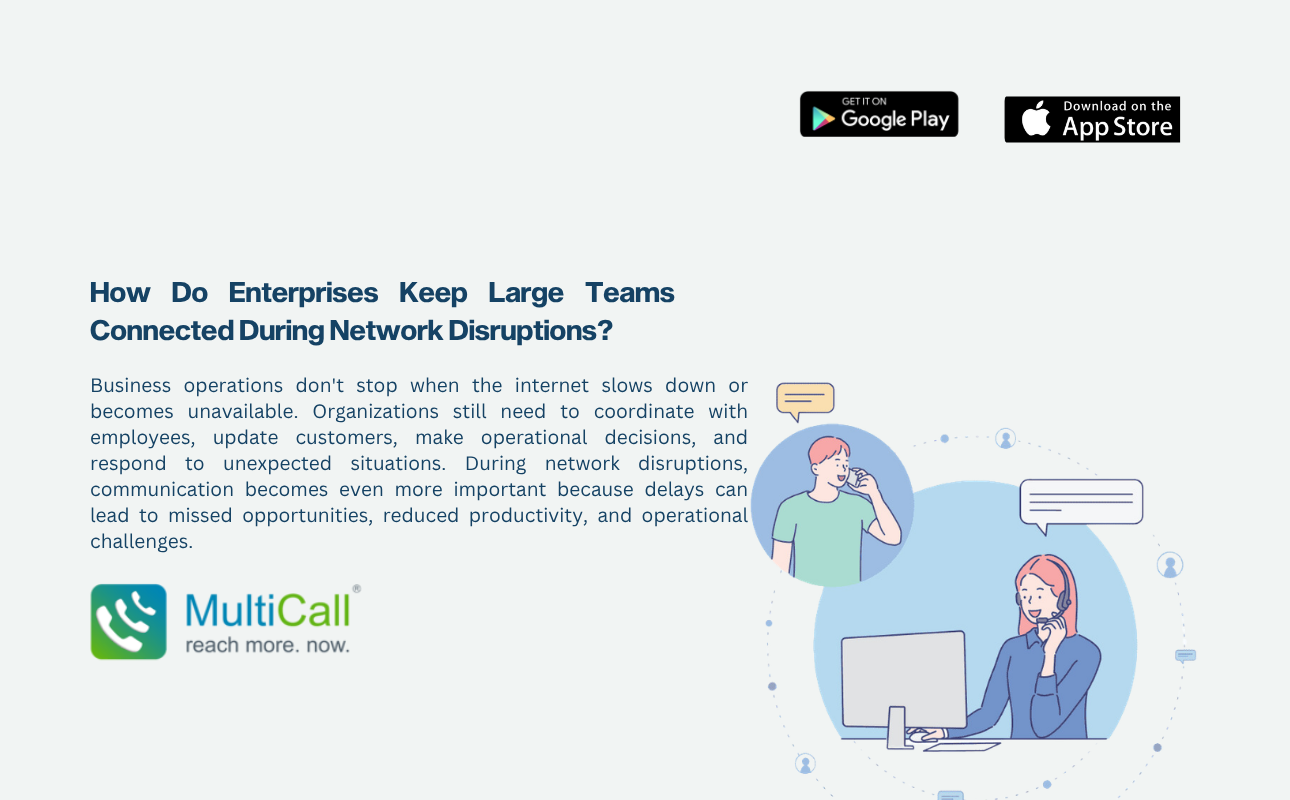
How Do Enterprises Keep Large Teams Connected During Network Disruptions?

Business operations don’t stop when the internet slows down or becomes unavailable. Organizations still need to coordinate with employees, update customers, make operational decisions, and respond to unexpected situations. During network disruptions, communication becomes even more important because delays can lead to missed opportunities, reduced productivity, and operational challenges.

Read More »

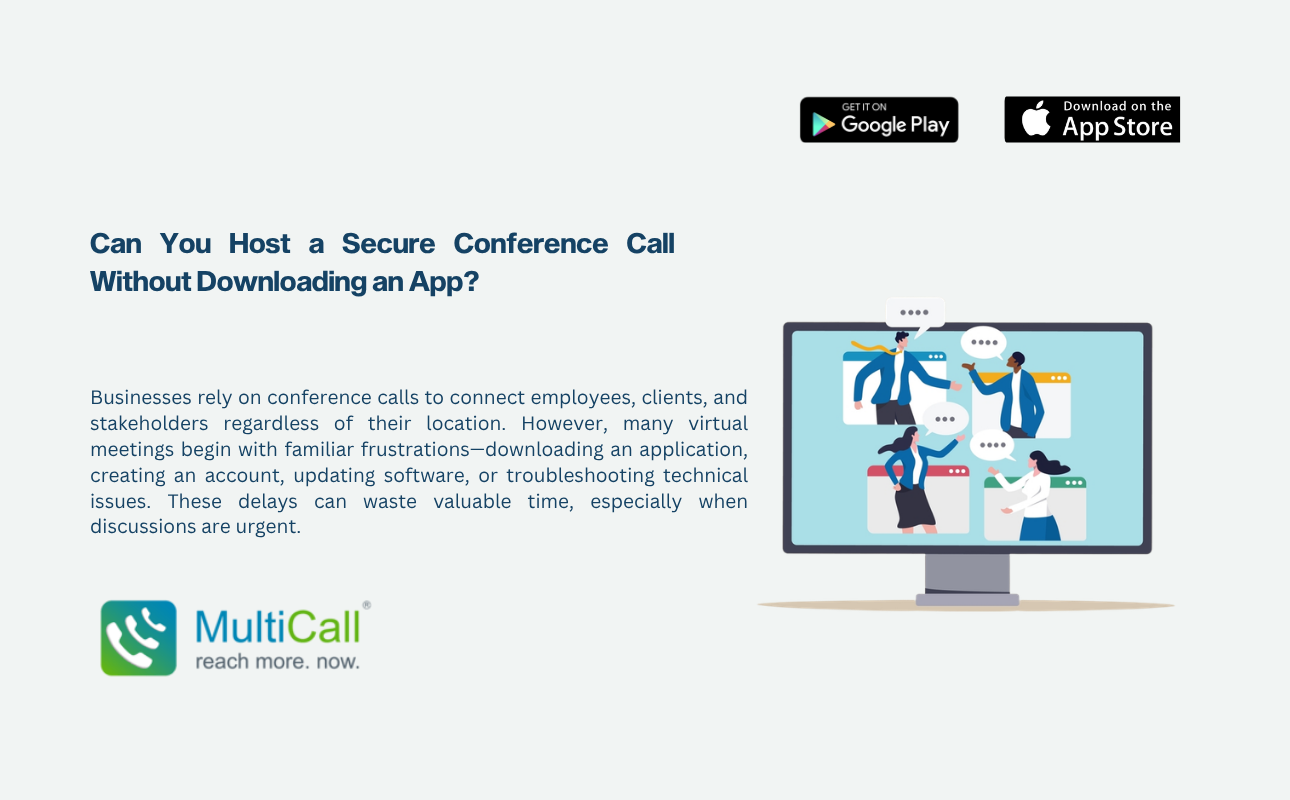
Can You Host a Secure Conference Call Without Downloading an App?

Businesses rely on conference calls to connect employees, clients, and stakeholders regardless of their location. However, many virtual meetings begin with familiar frustrations—downloading an application, creating an account, updating software, or troubleshooting technical issues. These delays can waste valuable time, especially when discussions are urgent.

Read More »