How Do Enterprises Keep Large Teams Connected During Network Disruptions?
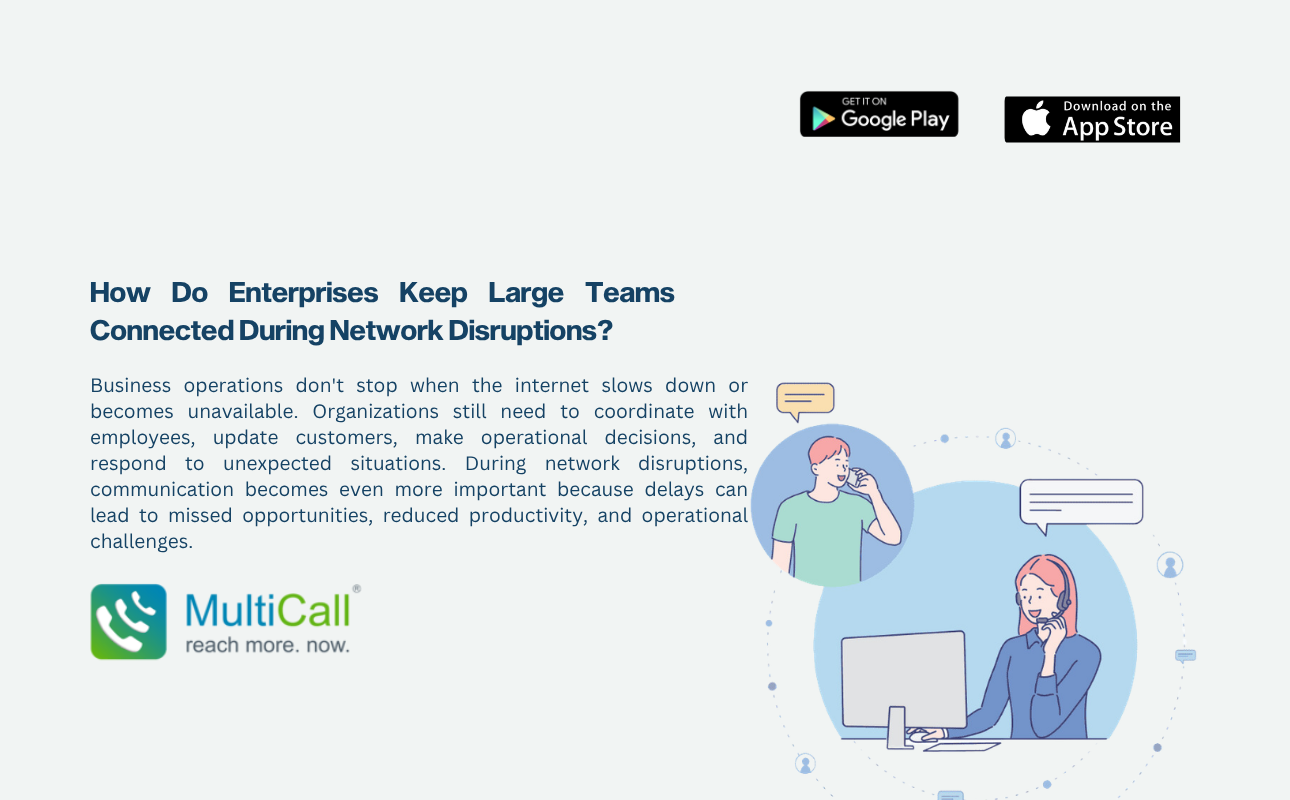
Business operations don’t stop when the internet slows down or becomes unavailable. Organizations still need to coordinate with employees, update customers, make operational decisions, and respond to unexpected situations. During network disruptions, communication becomes even more important because delays can lead to missed opportunities, reduced productivity, and operational challenges.
To stay connected during these situations, many enterprises rely on communication solutions that are not entirely dependent on internet connectivity. Reliable voice communication ensures that important conversations continue without interruption, helping teams collaborate when they need it most.
Network Disruptions Can Affect Business Continuity
Network outages can occur for several reasons, including internet service failures, power interruptions, cyber incidents, system maintenance, or natural disasters. Even a short disruption can impact meetings, project updates, customer support, and internal coordination.
Businesses that rely solely on internet-based communication platforms often experience:
- Interrupted meetings
- Poor audio quality
- Delayed decision-making
- Missed updates
- Reduced employee productivity
Having a dependable backup communication method allows organizations to continue operations while minimizing disruptions.
Voice Communication Provides a Reliable Alternative
When internet connectivity becomes unreliable, traditional voice communication continues to perform consistently. Unlike online meeting platforms that depend on stable bandwidth, PSTN-based Calling Services use established telephone networks to connect participants.
This allows employees to participate in important discussions using their mobile phones or landlines without worrying about unstable internet connections.
For enterprises that operate across multiple locations, voice calling provides an additional layer of business continuity that supports uninterrupted communication.
Connect Large Teams Without Technical Barriers
Coordinating communication across hundreds or even thousands of employees can be challenging during an outage. Sending meeting links or asking employees to troubleshoot technical issues only adds unnecessary delays.
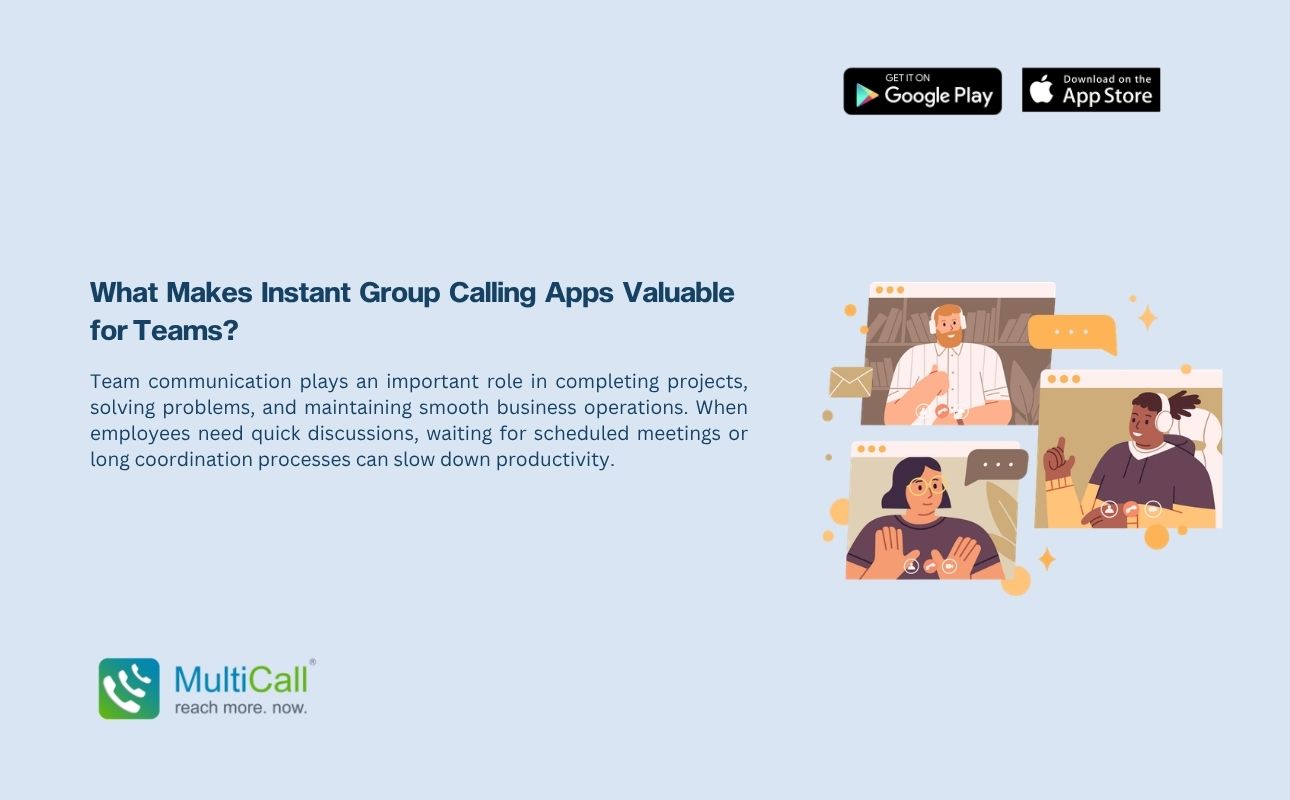
Using Instant Group Calling Apps, organizations can quickly connect entire departments, regional offices, or leadership teams through a single conference call. Participants simply answer their phones and join the discussion without downloading software or configuring devices.
This streamlined approach helps businesses communicate quickly during time-sensitive situations.
Maintain Clear Communication Across Multiple Locations
Large enterprises often have employees working in headquarters, branch offices, manufacturing facilities, warehouses, retail outlets, and remote locations. During network disruptions, keeping every location informed becomes critical.
Voice conferencing allows organizations to share updates, assign responsibilities, and coordinate actions simultaneously. Whether it’s informing field teams about operational changes or updating regional managers, voice communication keeps everyone aligned without relying entirely on internet infrastructure. This improves response times and reduces confusion during unexpected events.
Schedule Important Calls Before They Become Urgent
Preparation is an essential part of business continuity planning. Organizations that regularly communicate with distributed teams benefit from scheduling recurring meetings in advance.
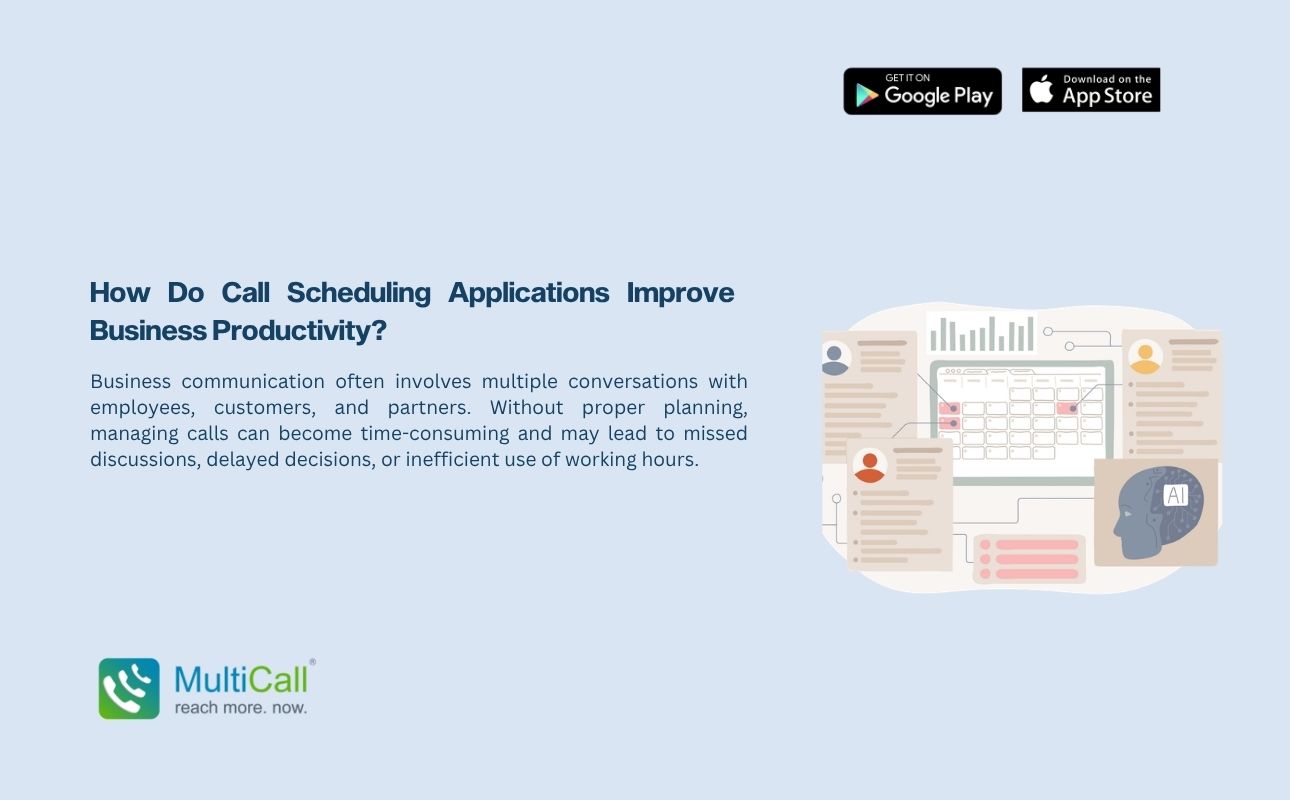
With Call Scheduling Applications, enterprises can organize leadership meetings, department updates, operational reviews, and emergency communication sessions with minimal manual effort. Automated scheduling ensures participants receive timely notifications and are prepared for important discussions.
When unexpected situations arise, businesses can also initiate immediate conference calls to provide real-time updates across the organization.
Improve Participation with Simple Access
One common challenge during emergencies is ensuring everyone can join the conversation quickly. Complex login procedures or software installation requirements can delay communication.
Voice conferencing simplifies participation by allowing employees to answer a phone call and immediately join the discussion. This ease of access is particularly valuable for frontline workers, traveling employees, and field staff who may have limited access to computers or high-speed internet.
Reducing technical barriers helps enterprises communicate more efficiently when every minute matters.
Secure Communication During Critical Operations
Network disruptions often coincide with situations that require confidential business discussions. Executive teams may need to review operational risks, financial impacts, or customer communication strategies.
Reliable conferencing platforms with Number Masking in Calls help protect participant privacy by keeping personal phone numbers hidden during group discussions. This additional layer of privacy supports secure communication while maintaining professionalism across enterprise meetings.
Protecting sensitive information remains an important consideration regardless of the communication method being used.
Support Business Growth with Flexible Communication
As organizations expand, communication becomes more complex. Multiple offices, larger teams, and diverse work environments require scalable solutions that can adapt to changing business needs.
Modern voice conferencing platforms provide the flexibility to communicate with employees, partners, suppliers, and customers without adding unnecessary technical complexity. Whether it’s a scheduled leadership meeting or an urgent operational update, businesses can keep conversations flowing even when internet services are disrupted.
This flexibility strengthens collaboration and improves overall organizational resilience.
Conclusion
Network disruptions are unpredictable, but communication failures don’t have to be. Enterprises that invest in reliable voice conferencing solutions are better prepared to keep employees informed, coordinate responses, and maintain business continuity during unexpected situations.
By combining dependable voice communication with features like PSTN-based Calling Services, Instant Group Calling Apps, Call Scheduling Applications, and Number Masking in Calls, businesses can reduce downtime and improve operational resilience.
Solutions like MultiCall enable enterprises to stay connected through secure, reliable, and easy-to-use conference calling, ensuring that critical conversations continue even when internet connectivity doesn’t.