Why Reliable Audio Infrastructure Is a Competitive Advantage
In today’s competitive business environment, communication is not just a support function, it is a strategic advantage. Companies that communicate faster, clearer, and more reliably often outperform others. While many organizations focus on tools and platforms, the real strength lies in having a reliable audio infrastructure that supports seamless communication at all times.
The Role of Audio Infrastructure in Business Performance
Audio communication remains one of the most direct and effective ways to connect teams, clients, and stakeholders. When the infrastructure behind it is strong, communication becomes smooth and uninterrupted.
Businesses using Efficient Group Calling Solutions can ensure that conversations happen without delays or disruptions. This reliability directly impacts productivity, as teams can focus on discussions instead of dealing with technical issues.
A strong audio foundation supports faster workflows and better coordination across the organization.
Instant Connectivity Drives Speed
Speed is a major factor in gaining a competitive edge. Companies that respond quickly to situations are more likely to succeed in dynamic markets.
With Instant Group Calling Apps, teams can connect immediately and address issues in real time. This eliminates the need for back and forth communication and ensures that decisions are made quickly.
Faster communication leads to quicker execution, which is essential for staying ahead of competitors.
Enhancing Team Collaboration
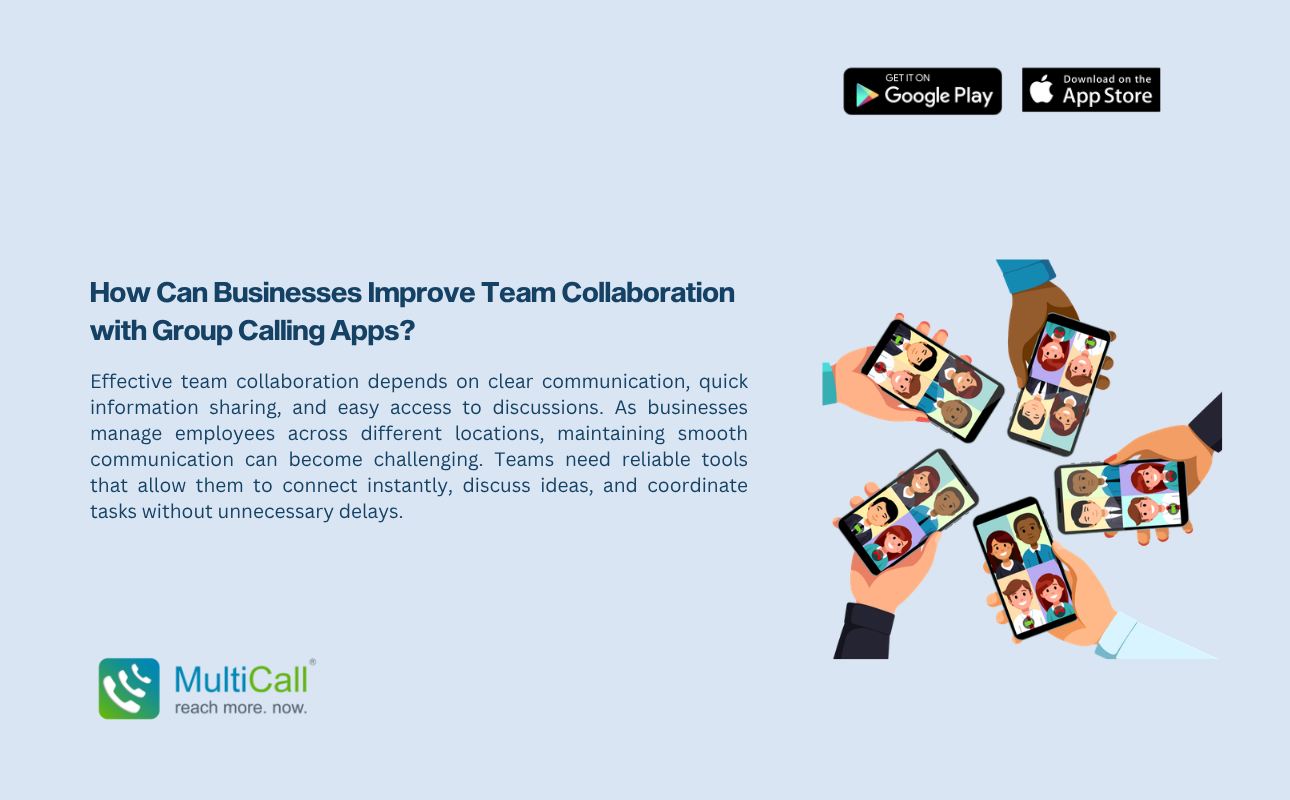
Collaboration becomes more effective when communication is simple and reliable. Teams need to connect frequently to share updates, resolve issues, and align their efforts.
A well designed Group Calling App allows employees to join discussions easily, regardless of their location. This ensures that collaboration is not limited by geography or technical barriers.
Better collaboration results in improved efficiency and stronger team performance.
Ensuring Security and Privacy in Communication
As businesses grow, the need for secure communication becomes more important. Sensitive discussions must be protected from unauthorized access or exposure.
Features like Number Masking in Calls add an extra layer of privacy by protecting personal contact details. This is especially useful in scenarios involving customer interactions or external communication.
Secure communication builds trust and ensures that business information remains protected.
Maintaining Consistency with Persistent Access
Frequent logins and access issues can disrupt communication and waste time. Reliable audio infrastructure includes systems that allow users to stay connected without repeated authentication.
Persistent Login Calling Apps help maintain continuous access, ensuring that users can join calls quickly without delays. This consistency improves user experience and keeps communication smooth.
When access is simple and reliable, teams can focus more on their work and less on technical processes.
Streamlining Meeting Management
Managing meetings efficiently is an important part of business communication. Delays in scheduling or organizing calls can affect productivity.
Using Call Scheduling Applications, teams can plan meetings in advance, set reminders, and ensure that all participants are prepared. This structured approach reduces confusion and improves time management.
Efficient scheduling ensures that meetings are purposeful and aligned with business goals.
Supporting Scalability and Growth
As organizations expand, their communication needs increase. A reliable audio infrastructure must be able to handle growing teams and higher communication volumes.
Solutions built for Efficient Group Calling Solutions can scale with the business, supporting more participants and frequent interactions without compromising quality.
Scalable communication systems allow businesses to grow without facing operational challenges.
Reducing Downtime and Communication Failures
Unreliable communication systems can lead to missed opportunities and operational disruptions. Downtime during important discussions can affect decision making and business outcomes.
By investing in strong audio infrastructure, businesses can minimize such risks. Reliable systems ensure that calls remain connected and communication flows smoothly at all times.
Reducing failures in communication helps maintain consistency and builds confidence within teams.
Improving Overall Business Efficiency
When communication is reliable, every part of the organization benefits. Teams can coordinate better, decisions are made faster, and workflows become more efficient.
Using tools like Instant Group Calling Apps and Call Scheduling Applications, businesses can create a structured communication environment that supports productivity.
Efficient communication is a key driver of overall business performance.
Conclusion
Reliable audio infrastructure is more than just a technical requirement, it is a competitive advantage. It supports instant connectivity, enhances collaboration, ensures security, and improves overall efficiency.
By adopting solutions like Group Calling App, Persistent Login Calling Apps, and Number Masking in Calls, businesses can strengthen their communication systems and stay ahead in a competitive market.
In the end, organizations that invest in reliable communication are better equipped to respond quickly, collaborate effectively, and achieve long term success.