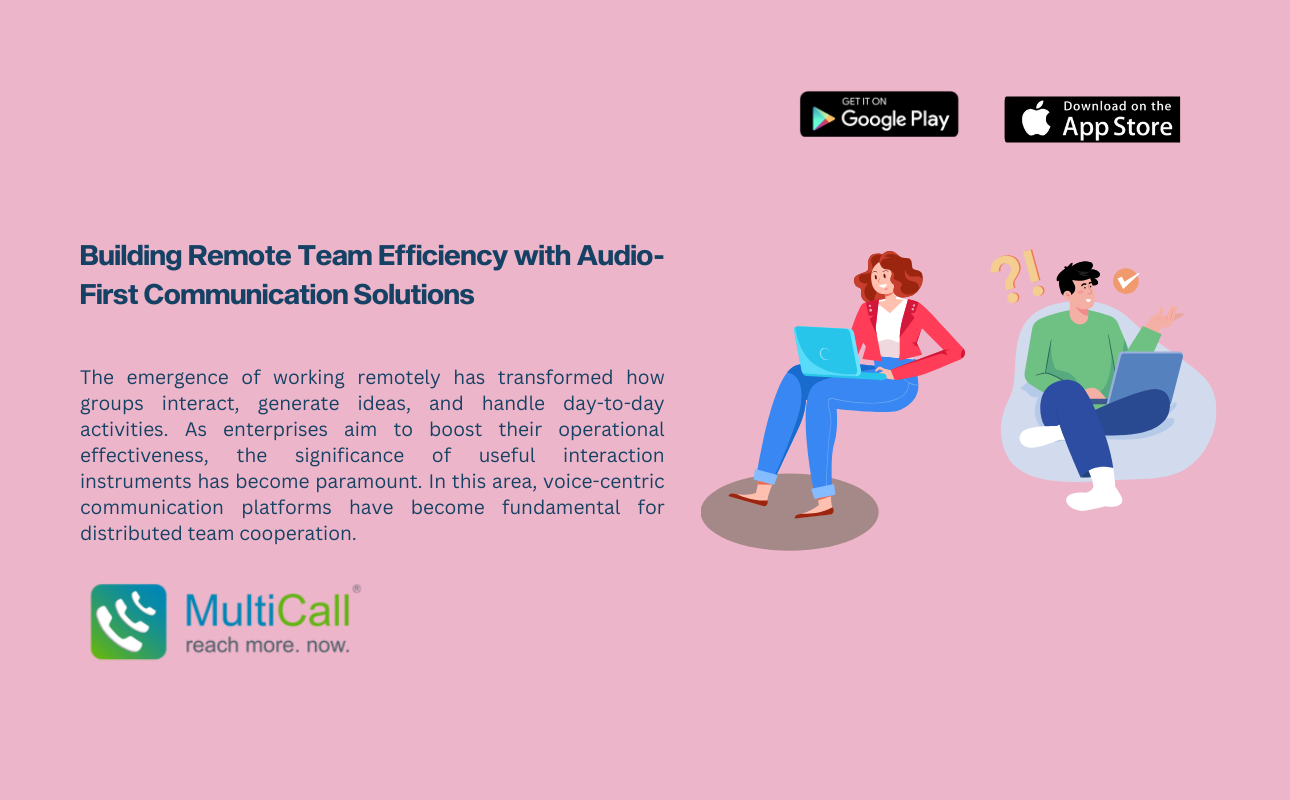
The emergence of working remotely has transformed how groups interact, generate ideas, and handle day-to-day activities. As enterprises aim to boost their operational effectiveness, the significance of useful interaction instruments has become paramount. In this area, voice-centric communication platforms have become fundamental for distributed team cooperation. Predominantly utilizing voice conferencing, these instruments offer lucidity, steadiness, and user-friendliness, positioning them as an excellent fit for companies employing distributed or blended workforces.
The Shift to Remote Work and Communication Challenges
The move toward remote operations introduced several difficulties, chiefly impacting communication. Although video conferencing utilities gained traction, they frequently present demands on network capacity, technological hiccup, and interruptions. For teams working apart, successful interaction ought to be straightforward, dependable, and readily scalable. This is the niche where sound-first options, such as calling services rooted in the traditional phone network (PSTN), offer a trustworthy substitute.
In contrast to video conferencing reliant on the web, voice-priority systems leverage established telephony grids, guaranteeing superior audio exchanges free from common internet-linked issues like delays or weak signals. These systems extend beyond mere call placement; they are engineered to help personnel maintain connection via pristine sound, even amid spotty internet access.
Why Audio-First Communication Works for Remote Teams
Within a remote organizational structure, teams are dispersed across various schedules, geographic locations, and hardware. Communication tools prioritizing audio aim to remove the obstacles inherent in depending on video for teamwork. By providing immediate access to group calling applications and those featuring continuous sign-in capabilities, organizations can assure their personnel can link up effortlessly, regardless of time or location.
The directness of voice-only sessions permits participants to concentrate on the discussion’s substance, rather than being sidetracked by visuals. Furthermore, audio-first alternatives decrease the necessity for substantial data consumption, rendering them an economical selection for distant groups facing restricted network availability.
Improved Focus and Productivity with Audio-Only Calls
A primary benefit of prioritizing audio communication is that it encourages sharper focus during calls. With video conferencing, interruptions can readily occur, such as sounds from the surroundings, delays in the video feed, or even the way attendees look, which can draw attention away from the core discussion. Conversely, sound-only conferencing tools assist participants in honing in on the spoken exchange, resulting in more fruitful dialogues.
This simplified mode of interaction proves particularly valuable for effective team communication platforms, enabling groups to have in-depth, significant discussions without the visual clutter of video conferences. Audio-centric communication also streamlines the user journey. For enterprises, this translates to less time needed for setup, faster connection establishment, and a smoother communication path.
Seamless Integration with Daily Workflows
Incorporating audio-first methods into day-to-day operations boosts communication effectiveness while keeping it in sync with organizational requirements. Call arrangement software permits teams to arrange and structure meetings beforehand, ensuring all parties are aligned. Utilizing an application to set up calls helps organizations spare the time and effort otherwise consumed by manual coordination, boosting overall output.
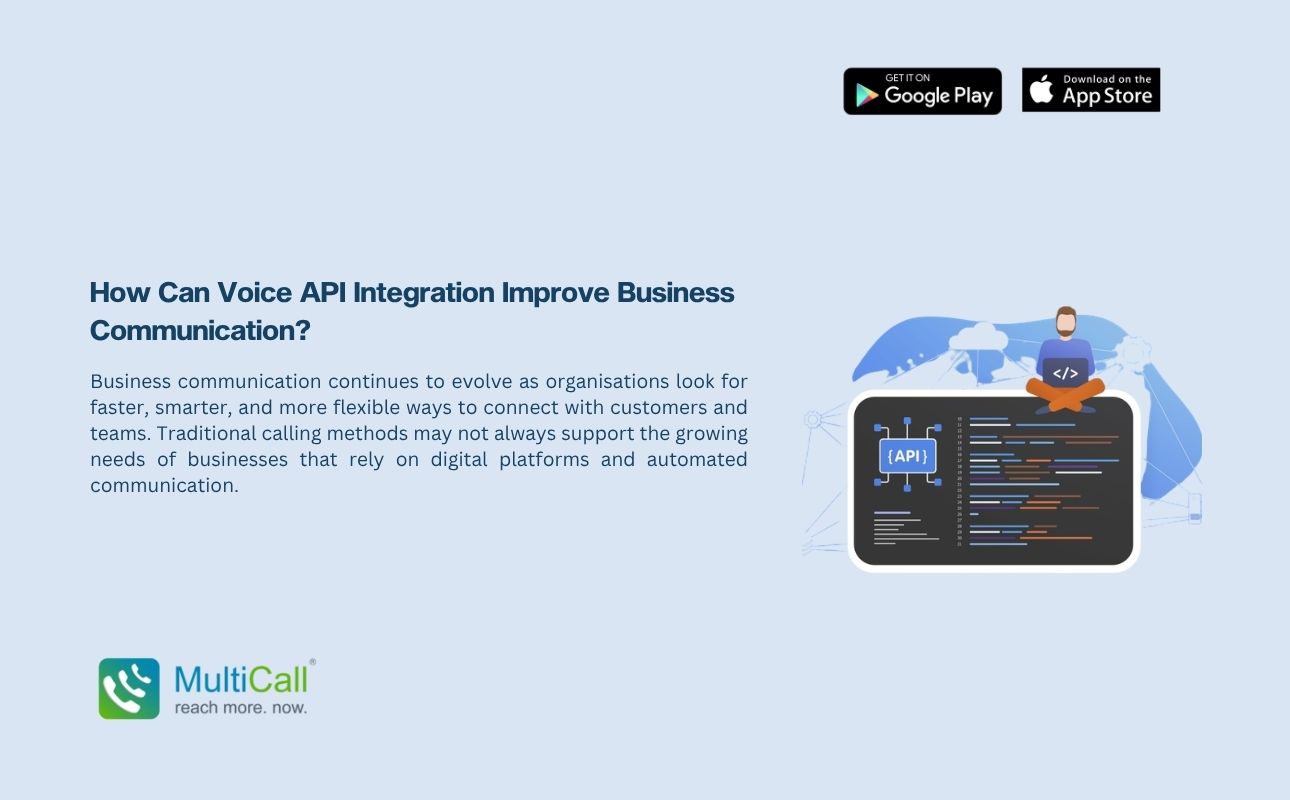
Moreover, numerous companies employ voice API integration to embed sound-based features into their current software. This can encompass functionalities such as automated notifications, personalized call management, and even immediate retrieval of prior discussions, further optimizing conversational flow and team effectiveness.
The Role of High-Quality PSTN Calling
In dispersed team environments, internet disruptions or connection problems are a common occurrence. High-caliber Public Switched Telephone Network (PSTN) calling guarantees call continuity even when internet conditions are subpar. By using PSTN-based calling services, geographically separated staff members can join group discussions, participate in team sessions, and collaborate meaningfully—irrespective of whether they possess a rapid, dependable internet link. This renders PSTN a crucial utility for remote groups situated where internet access is inconsistent.
Additionally, PSTN telephony assures that discussions maintain security and clarity, which is paramount when addressing private or sensitive material. Organizations can rely on the dependability and protection of PSTN-based group calls to safeguard their exchanges while remaining accessible.
Cost-Effectiveness and Scalability
Work settings done remotely demand interaction platforms that are both economical and adaptable. Employing budget-friendly calling options that emphasize voice-centric capabilities enables firms to cut down on setup expenses while still providing excellent clarity in conversations. As organizations expand, these systems can readily adjust to handle more participants and offer supplementary functionalities such as programmed call setup, oversight, and review.
Through a standardized, voice-first communication hub, groups can effortlessly manage extensive group conversations and remove the necessity for several different communication utilities. This lowers ancillary expenses and streamlines the dialogue flow.
Security and Privacy in Audio Communication
In an era marked by regular data compromises, guaranteeing protected communication is crucial for enterprises. Numerous safe group calling applications incorporate sophisticated scrambling mechanisms, guaranteeing that sensitive business discussions stay confidential. Utilizing services linked to the traditional phone network (PSTN) adds a supplementary safeguard, since PSTN links are naturally less susceptible to dangers originating from the internet. Companies can depend on these protected, audio-centric communication methods to uphold the soundness and privacy of their exchanges.
Conclusion
As working offsite keeps molding the contemporary professional setting, incorporating voice-first communication approaches is growing more critical than before. By furnishing high-caliber, dependable, and expandable instruments for team interaction, businesses can guarantee their geographically dispersed staff remain linked and effective. Whether utilizing services via the regular phone network, immediate group calling software, or prudent spending calling means, voice-first interaction furnishes a trustworthy bedrock for teamwork, assisting groups in reaching conclusions quicker and carrying out tasks with greater adeptness.
Harness the strength of voice-first communication and release the complete capability of your distributed team.