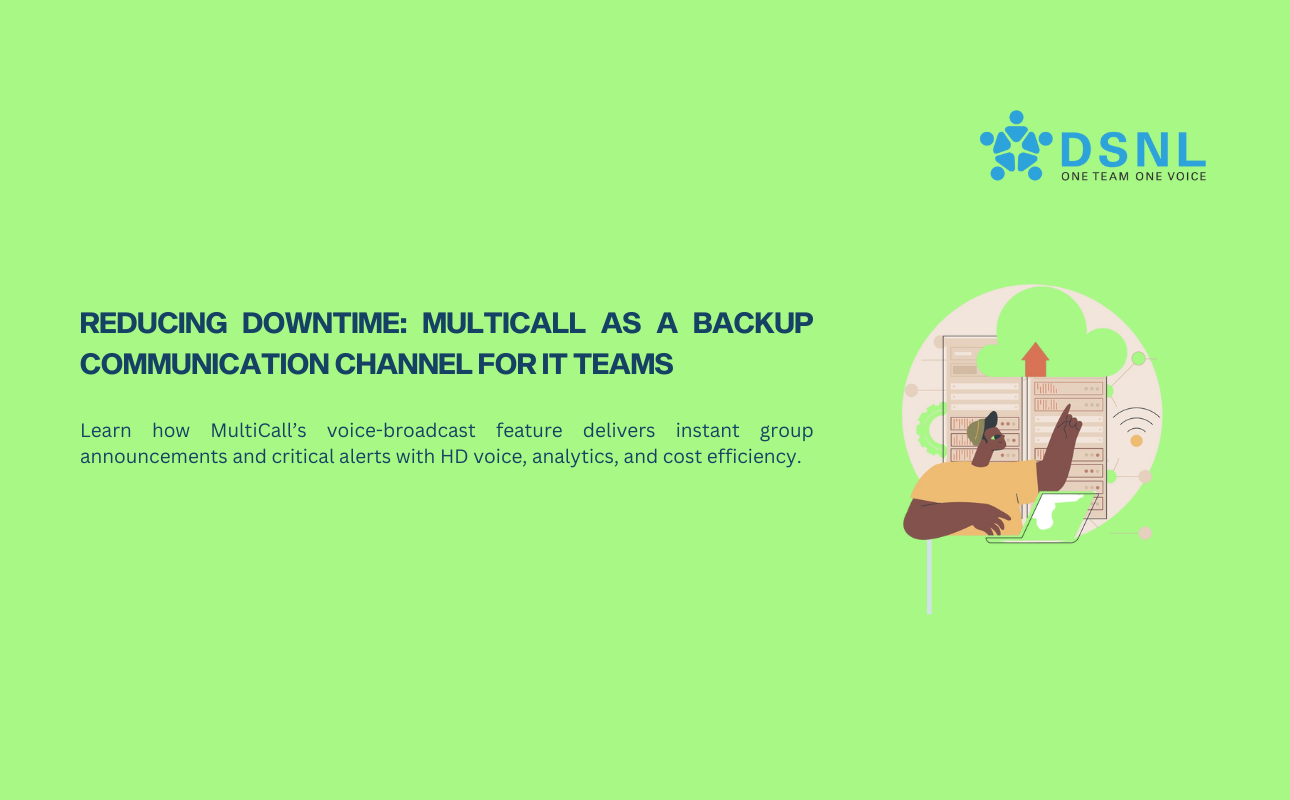
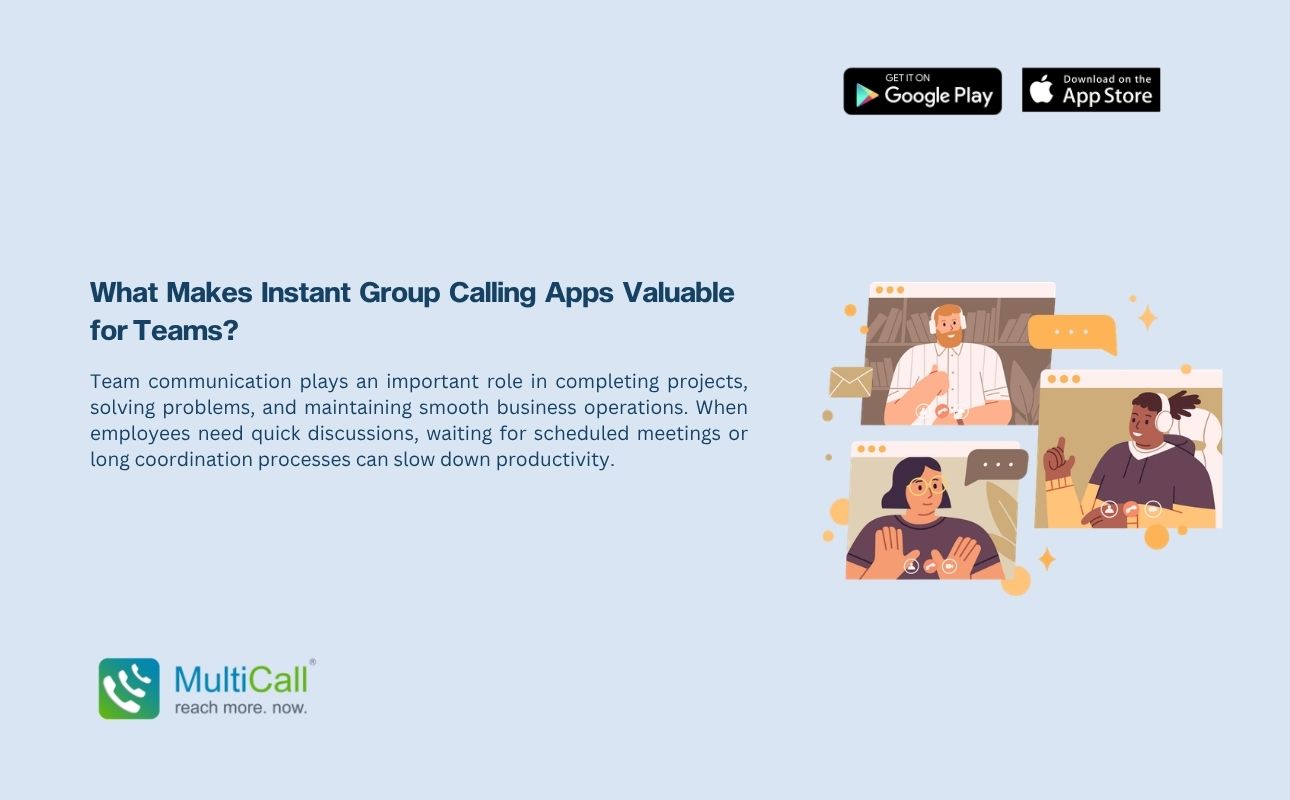
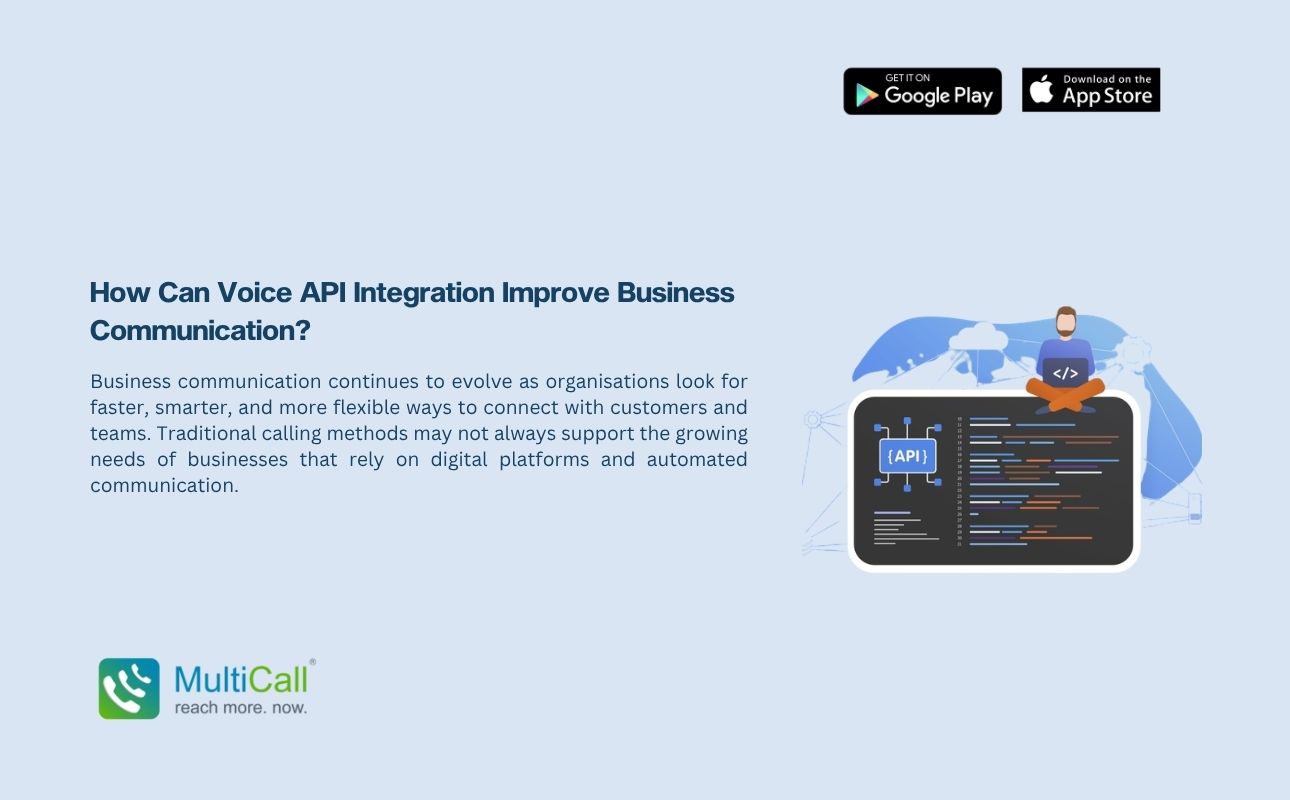
The problem is, when critical technology goes down, the communication channels IT teams depend on, such as VoIP, chat, or cloud-based services, often go with it.
This is where MultiCall comes in. Designed to operate with zero internet dependency, MultiCall gives IT teams a robust, voice-first backup channel for any team that needs to coordinate on time-sensitive issues or operational continuity.
Here’s why MultiCall matters for IT and technology leaders:
An Unwavering Backup
With just a few seconds of downtime costing millions in losses, MultiCall lets teams sync in real time, respond immediately, and collaborate without interruption in any situation, no matter what connectivity issues arise.
Backup Channel for IT Use Cases
In other scenarios, system failure requires scheduling meetings on the fly for crisis management and rollback.
Scheduling an internal huddle around business-critical problems during unexpected situations isn’t an option—it has to happen within seconds. And when incidents are resolved and things go back to normal, teams need a platform for internal debriefs that’s just as effective.
For all these IT use cases, traditional phone systems and chat apps don’t always cut it, but MultiCall does.
Built for Zero-Downtime
Cloud does not equal continuous connectivity. When IT workflows involve on-site workers, remote calls, or third parties, workers need an easy solution to get everyone on the line without toggling between tools or struggling to connect across mobile, on-premise, or hosted workloads. Enter MultiCall.
Flexible Group Calling for Critical Response
MultiCall keeps the lines of communication open for teams to keep coordinating and sharing updates in real time—facilitating an efficient recovery and faster response.
MultiCall: Quick Setup, No Apps Needed
Deploying MultiCall is easy for IT, and it gets teams on calls almost instantly. There’s no meeting link to copy or a mobile app to open. Simply click a name or number to dial into or schedule a call right from the web interface.
What’s more, IT admins needn’t build out new infrastructure or log complicated account setups.
Group calling in MultiCall starts right away, without asking team members to first download an app or exchange contact numbers.
Voice vs Video: Communicating at Speed
Video calls are a staple in any business communication portfolio. When infrastructure or security is threatened, however, IT and tech teams can’t always risk video calls. The added network bandwidth and processing power that video calls require often leave audio as the more practical choice in high-urgency situations.
With an adaptive video-to-audio fallback, MultiCall ensures that internal, cross-department IT teams can continue collaborating and strategizing on calls, regardless of local network conditions or server loads.
Uncompromised Security with Built-In Admin Controls
Information security is one area where communication depends on strict processes and auditing standards. Calls can be centrally managed in MultiCall’s admin portal for comprehensive oversight.
MultiCall’s onboarding audit features make it easy to securely share numbers and masking settings without compromising data privacy and internal security controls. This is especially important for IT outsourcing and service providers, as vendors are no longer a third-party risk if they don’t even know what your internal numbers are.
The Takeaway
From remote workers to out-of-office technicians, tech companies and IT operations need teams that can collaborate, respond, and recover no matter what issues or concerns arise.
MultiCall is a communications channel that gives IT leaders and decision-makers that kind of peace of mind. Call us today to know more.