Why Are Businesses Switching Back to Voice Calls for Critical Communication?
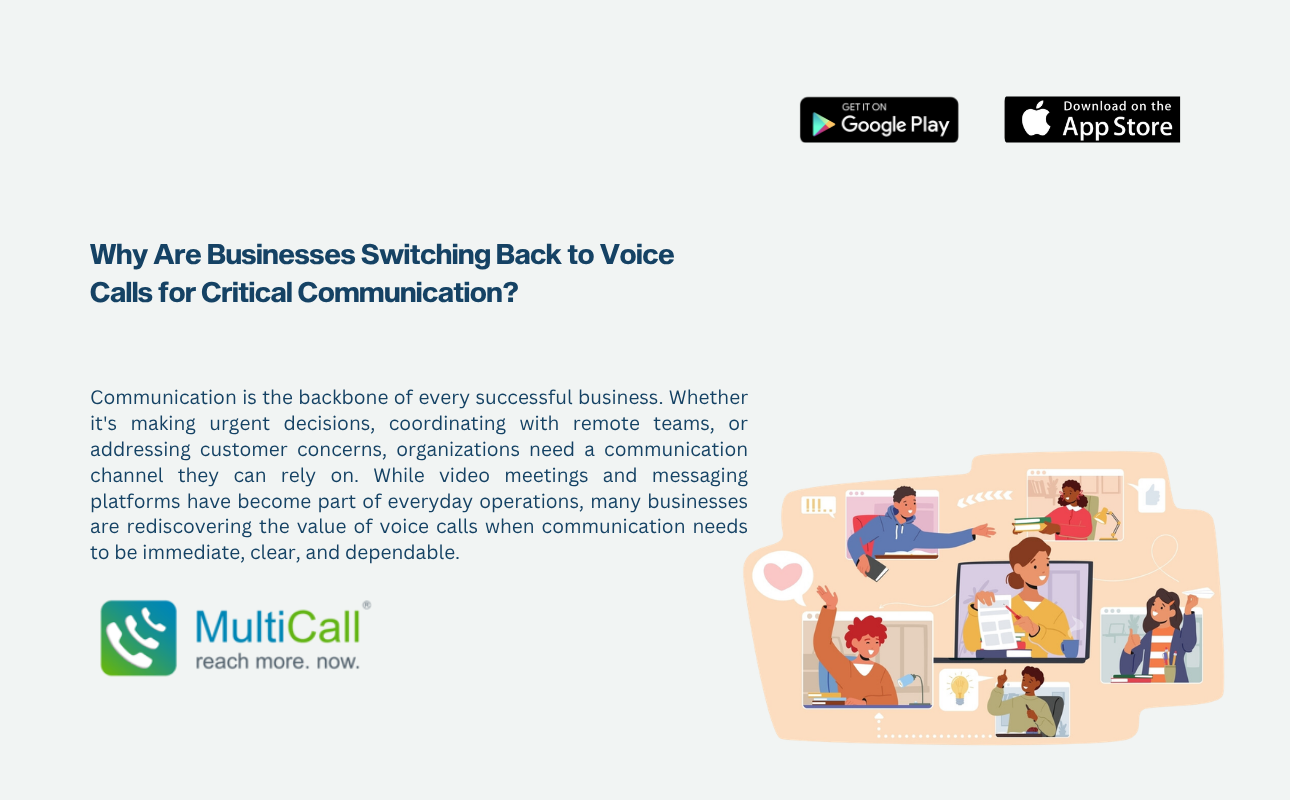
Communication is the backbone of every successful business. Whether it’s making urgent decisions, coordinating with remote teams, or addressing customer concerns, organizations need a communication channel they can rely on. While video meetings and messaging platforms have become part of everyday operations, many businesses are rediscovering the value of voice calls when communication needs to be immediate, clear, and dependable.
Voice calls eliminate many of the common challenges associated with internet-based meetings, making them a preferred choice for critical business conversations.
Why Reliability Matters More Than Ever
Business communication often takes place under tight deadlines. A delayed meeting or a poor connection can slow down decision-making and impact productivity. This is especially true during emergency situations, executive discussions, or customer escalations where every minute counts.
Unlike internet-dependent platforms, PSTN-based Calling Services use traditional telephone networks to deliver stable and consistent communication. This reduces the risk of dropped calls, buffering, or connectivity issues, allowing businesses to stay connected when it matters most.
Faster Collaboration Without Technical Delays
Employees spend valuable time dealing with meeting links, software updates, login issues, and compatibility problems. These technical hurdles may seem minor, but they can delay important conversations and reduce overall efficiency.
A reliable Group Call Business Communication solution allows participants to join discussions quickly using their existing phone numbers. There’s no need for complicated setup processes or extensive technical knowledge, enabling meetings to begin on time and focus on the conversation rather than troubleshooting.
Voice Calls Keep Everyone Connected
Many businesses have employees working from different locations, including offices, client sites, warehouses, and remote areas. Internet connectivity isn’t always consistent in every environment, making online meetings difficult to manage.
Voice calls provide greater accessibility because participants only need access to a phone network. This ensures that employees, partners, and customers can stay connected regardless of their location, helping businesses maintain smooth communication across distributed teams.
Security Remains a Top Priority
Critical conversations often involve confidential business information such as financial reports, strategic planning, legal matters, or customer data. Organizations must ensure these discussions remain protected.
Choosing Secure Group Calling Apps gives businesses the confidence to conduct important meetings with enhanced privacy and controlled access. Security features help protect sensitive information while supporting compliance with organizational communication policies.
As businesses continue to prioritize data protection, secure voice communication has become an essential part of corporate operations.
Better Productivity Through Simplicity
Communication tools should simplify work—not make it more complicated. Voice calls reduce unnecessary steps by allowing participants to answer a call and immediately join the discussion. This straightforward approach improves attendance, reduces delays, and helps employees spend more time solving business problems instead of dealing with technology.
The simplicity of voice communication also makes it easier to involve external stakeholders such as customers, vendors, consultants, and partners without requiring additional software or training.
A Cost-Effective Communication Choice
Businesses constantly evaluate operational costs while looking for ways to improve efficiency. Maintaining multiple communication platforms, supporting technical infrastructure, and managing software licenses can become expensive over time.
Voice conferencing offers an effective alternative for organizations seeking dependable communication without increasing operational complexity. Since most employees already have access to mobile or landline phones, businesses can maximize existing resources while reducing additional technology investments.
Supporting Modern Business Operations
Although video conferencing remains valuable for presentations and visual collaboration, voice communication continues to play an important role in daily business operations. Many organizations now combine multiple communication channels based on the nature of the conversation.
For quick decision-making, urgent discussions, executive meetings, and business continuity planning, voice calls often provide the fastest and most dependable solution. This balanced approach allows businesses to improve responsiveness while ensuring communication remains uninterrupted.
Organizations looking for Seamless Business Communication are increasingly adopting voice conferencing solutions that combine reliability, simplicity, and enterprise-grade performance.
Conclusion
Businesses are not moving away from digital collaboration—they are choosing communication methods that best suit each situation. When conversations are time-sensitive or business-critical, voice calls offer unmatched reliability, accessibility, and ease of use.
By leveraging dependable communication solutions, organizations can improve collaboration, reduce technical barriers, and ensure important discussions happen without interruption. Platforms like MultiCall help businesses simplify critical communication through reliable audio conferencing, enabling teams to stay connected whenever clear and immediate conversations matter most.