Author: multicall_57
-

What Are the Benefits of Easy Dialing Solutions for Businesses?
Business communication depends on speed, accuracy, and convenience. Employees often handle multiple calls every day, including customer conversations, team discussions, and partner interactions. When calling processes are complicated or time-consuming, it can affect productivity and create unnecessary delays.
-
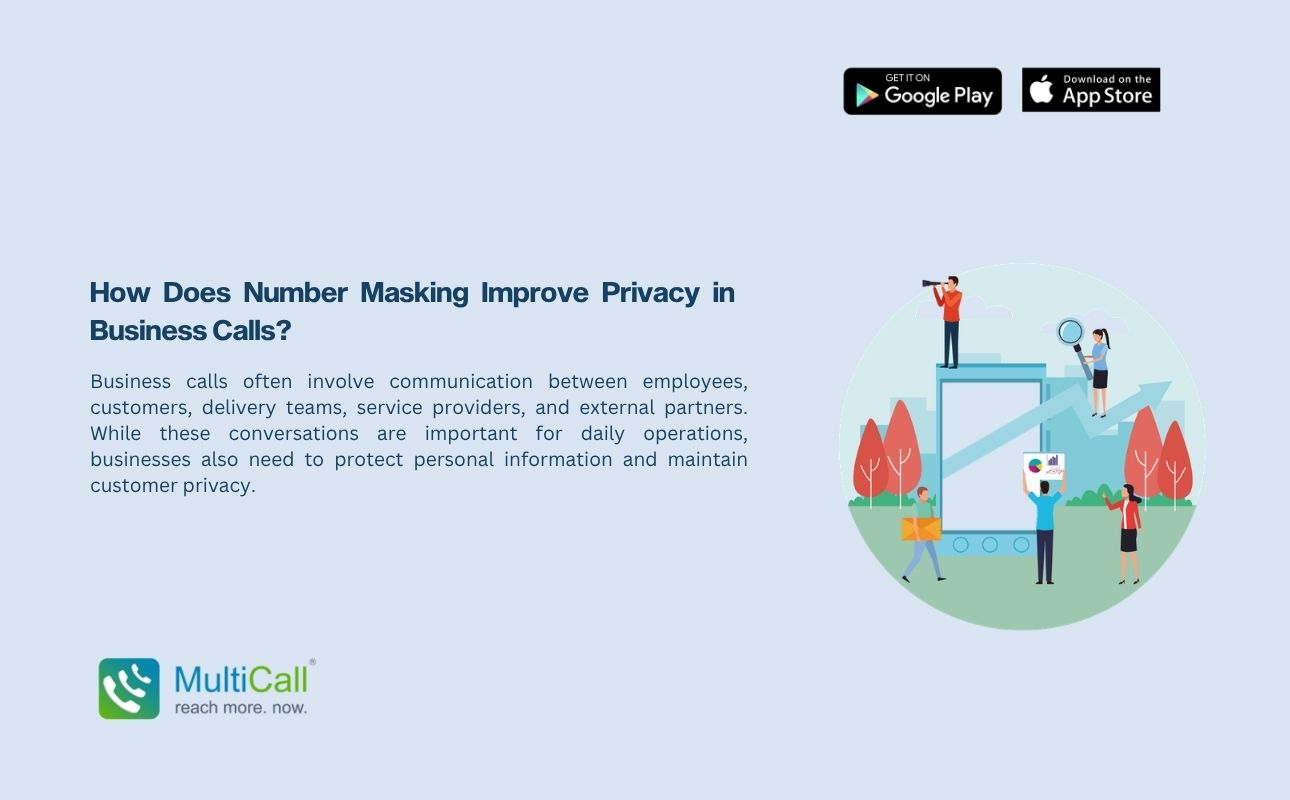
How Does Number Masking Improve Privacy in Business Calls?
Business calls often involve communication between employees, customers, delivery teams, service providers, and external partners. While these conversations are important for daily operations, businesses also need to protect personal information and maintain customer privacy.
-
Why Do Companies Need Seamless Business Communication Tools?
Effective communication is the foundation of successful business operations. Companies need employees, customers, and partners to exchange information quickly and clearly to maintain productivity and build strong relationships.
-
How Can Businesses Reduce Calling Costs with Smart Solutions?
Business communication is essential for daily operations, customer support, and team collaboration. However, managing communication expenses can become challenging, especially for organisations that handle frequent calls with employees, customers, and partners.
-
What Makes Instant Group Calling Apps Valuable for Teams?
Team communication plays an important role in completing projects, solving problems, and maintaining smooth business operations. When employees need quick discussions, waiting for scheduled meetings or long coordination processes can slow down productivity.
-
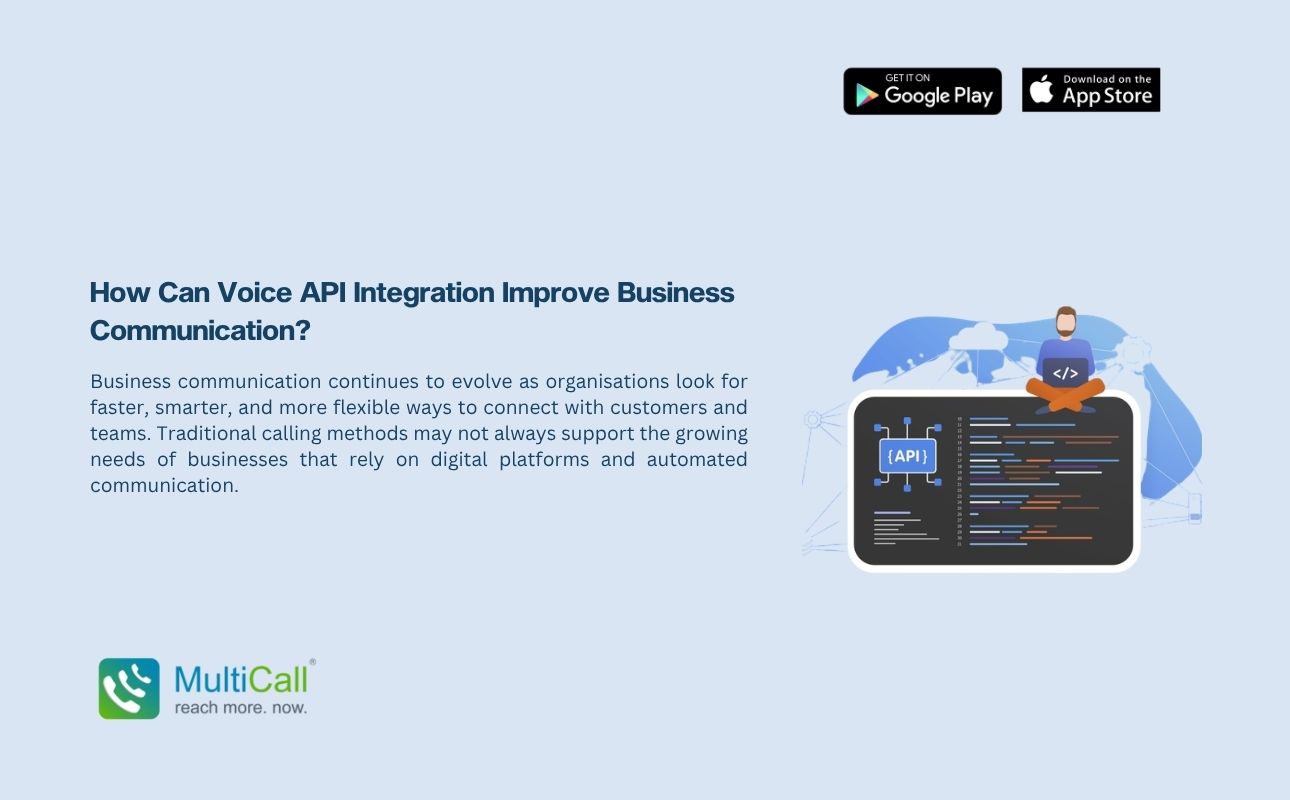
How Can Voice API Integration Improve Business Communication?
Business communication continues to evolve as organisations look for faster, smarter, and more flexible ways to connect with customers and teams. Traditional calling methods may not always support the growing needs of businesses that rely on digital platforms and automated communication.
-
Why Are Businesses Choosing Secure Group Calling Apps?
Business communication often involves sensitive discussions, customer information, project updates, and internal decisions. As teams connect through digital platforms, maintaining privacy and protecting conversations have become important priorities for organisations.
-
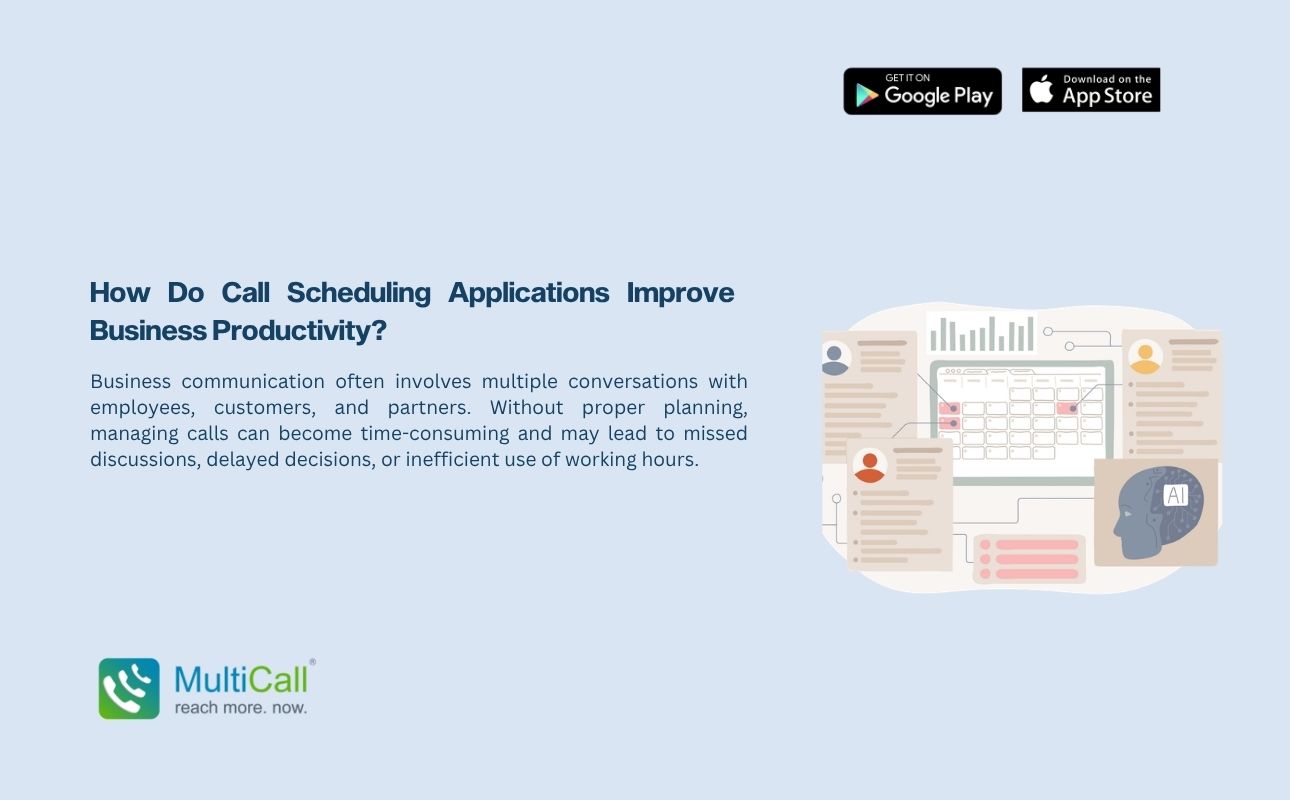
How Do Call Scheduling Applications Improve Business Productivity?
Business communication often involves multiple conversations with employees, customers, and partners. Without proper planning, managing calls can become time-consuming and may lead to missed discussions, delayed decisions, or inefficient use of working hours.
-
What Features Make a Group Calling App Useful for Businesses?
Business communication requires speed, reliability, and easy collaboration. As teams work across different locations and manage multiple projects, having the right communication platform becomes essential. A group calling app helps businesses connect employees, customers, and partners through quick and organised conversations.
-
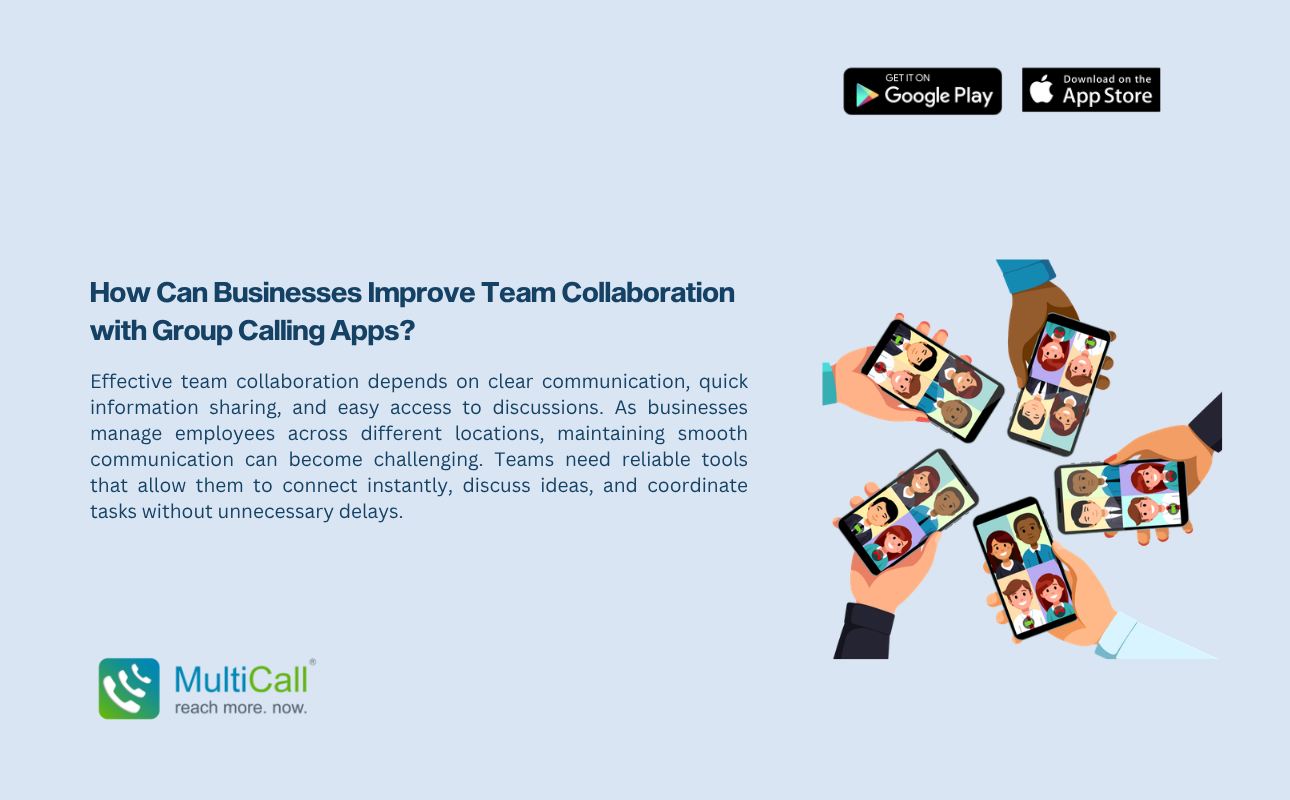
How Can Businesses Improve Team Collaboration with Group Calling Apps?
Effective team collaboration depends on clear communication, quick information sharing, and easy access to discussions. As businesses manage employees across different locations, maintaining smooth communication can become challenging. Teams need reliable tools that allow them to connect instantly, discuss ideas, and coordinate tasks without unnecessary delays.