Category: Business Communications
-

Can a Conference Call Platform Improve Customer and Partner Communication?
Strong relationships with customers and business partners are built on clear, timely, and consistent communication. Whether discussing project updates, resolving customer concerns, onboarding new partners, or planning future business strategies, organizations need communication tools that are reliable and easy to use.
-
What Should You Look for in an Enterprise Conference Calling Solution?
Communication is at the heart of every successful enterprise. From executive meetings and client discussions to project updates and company-wide announcements, organizations depend on conference calling to keep teams connected. However, not all conference calling platforms are designed to meet the demands of modern businesses.
-
How Can Businesses Improve Attendance for Important Conference Calls?
A conference call is only successful when the right people join at the right time. Whether it’s a leadership meeting, client discussion, project review, or company-wide announcement, low attendance can delay decisions, reduce productivity, and create communication gaps.
-
Why Do Financial Institutions Still Prefer Conference Calls for Sensitive Discussions?
Financial institutions operate in an environment where every conversation matters. Whether discussing investment strategies, regulatory updates, customer information, or internal business decisions, communication must be secure, reliable, and uninterrupted. While video conferencing platforms have become common for daily collaboration, many banks, financial firms, insurance companies, and investment organizations continue to rely on conference calls for…
-
How Can HR Teams Conduct Company-Wide Announcements Without Technical Issues?
Emergencies leave little room for delays. Whether it’s a system outage, a natural disaster, a cybersecurity incident, or an operational crisis, businesses must communicate quickly and clearly with employees, leadership teams, and key stakeholders. In these situations, the communication method itself can influence how effectively an organization responds.
-
Is There a Better Alternative to Sharing Meeting Links for Business Calls?
Business meetings have evolved significantly over the years. While online meeting platforms have made remote collaboration easier, they have also introduced new challenges. Participants often struggle with expired meeting links, forgotten passwords, software downloads, and internet connectivity issues. These small obstacles can quickly turn into major productivity losses, especially when meetings involve clients, executives, or…
-
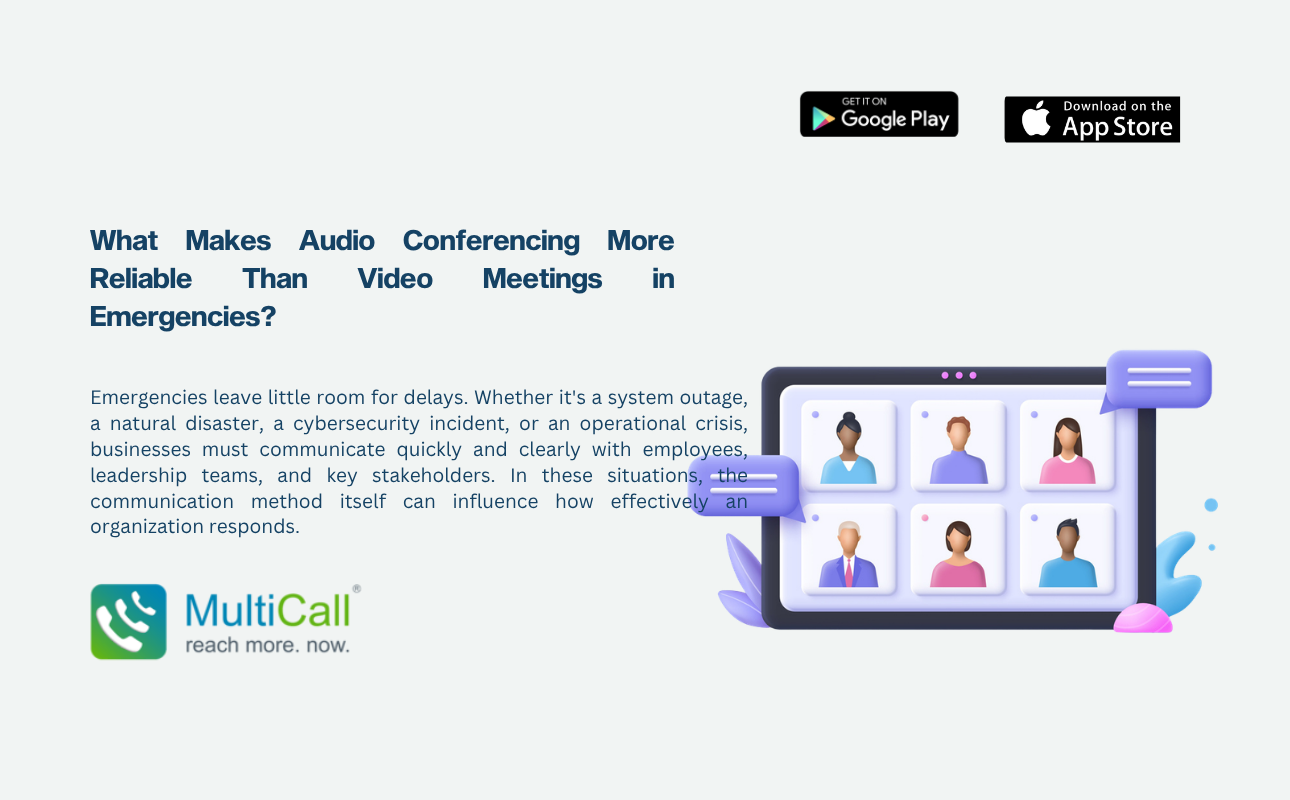
What Makes Audio Conferencing More Reliable Than Video Meetings in Emergencies?
Emergencies leave little room for delays. Whether it’s a system outage, a natural disaster, a cybersecurity incident, or an operational crisis, businesses must communicate quickly and clearly with employees, leadership teams, and key stakeholders. In these situations, the communication method itself can influence how effectively an organization responds.
-
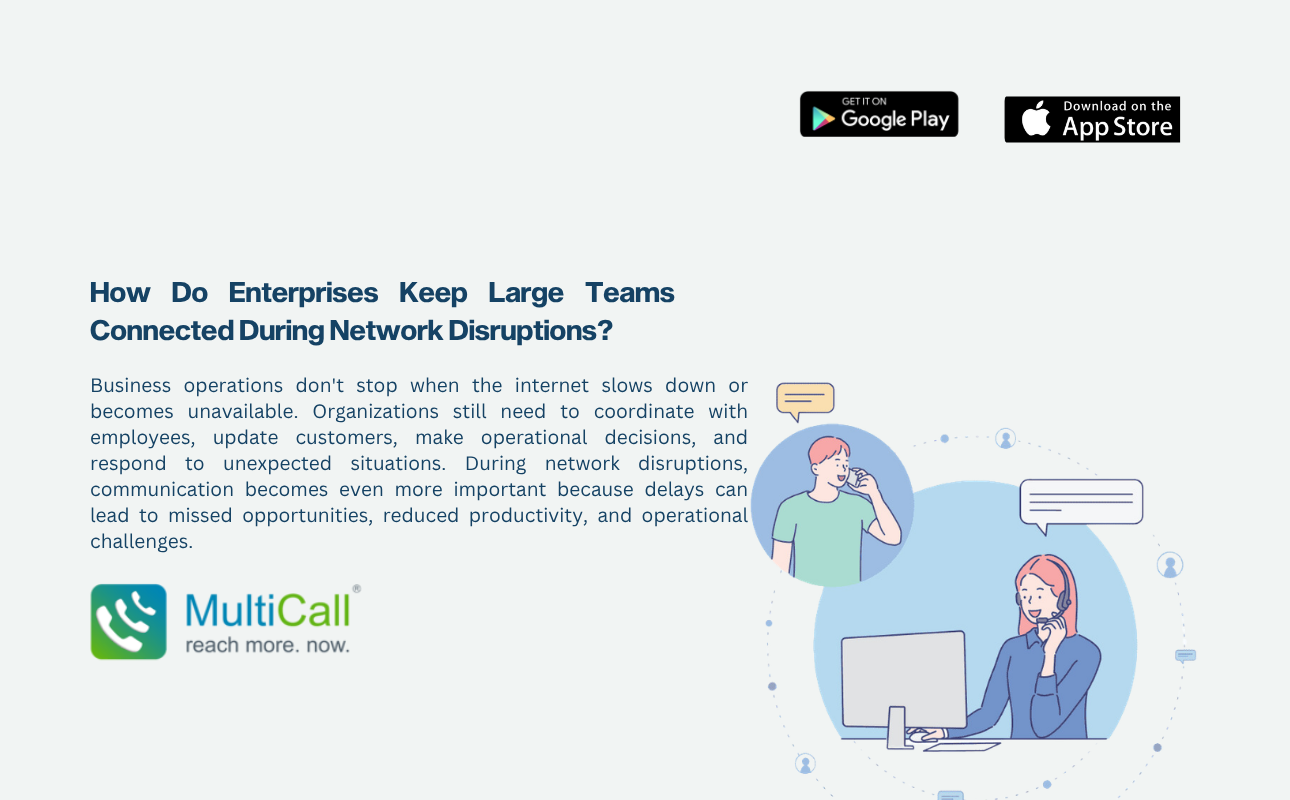
How Do Enterprises Keep Large Teams Connected During Network Disruptions?
Business operations don’t stop when the internet slows down or becomes unavailable. Organizations still need to coordinate with employees, update customers, make operational decisions, and respond to unexpected situations. During network disruptions, communication becomes even more important because delays can lead to missed opportunities, reduced productivity, and operational challenges.
-
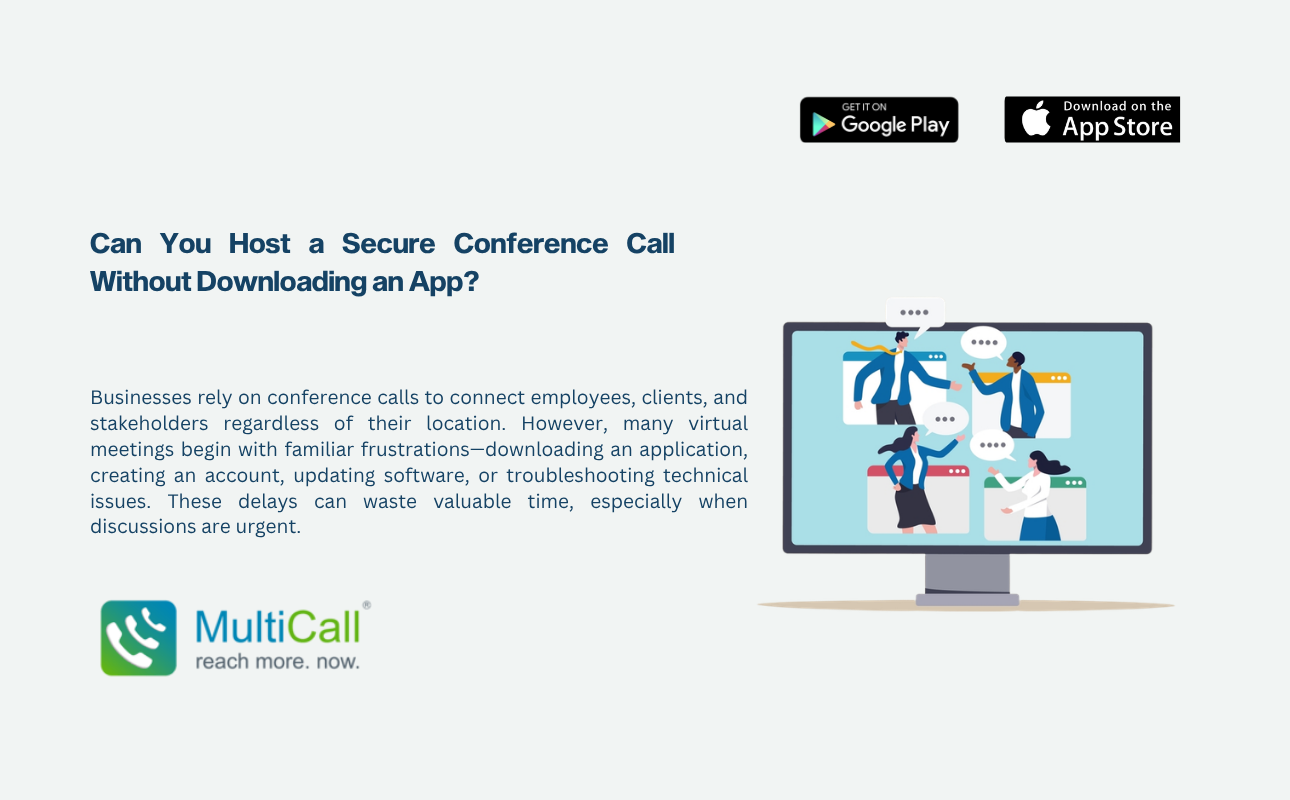
Can You Host a Secure Conference Call Without Downloading an App?
Businesses rely on conference calls to connect employees, clients, and stakeholders regardless of their location. However, many virtual meetings begin with familiar frustrations—downloading an application, creating an account, updating software, or troubleshooting technical issues. These delays can waste valuable time, especially when discussions are urgent.
-
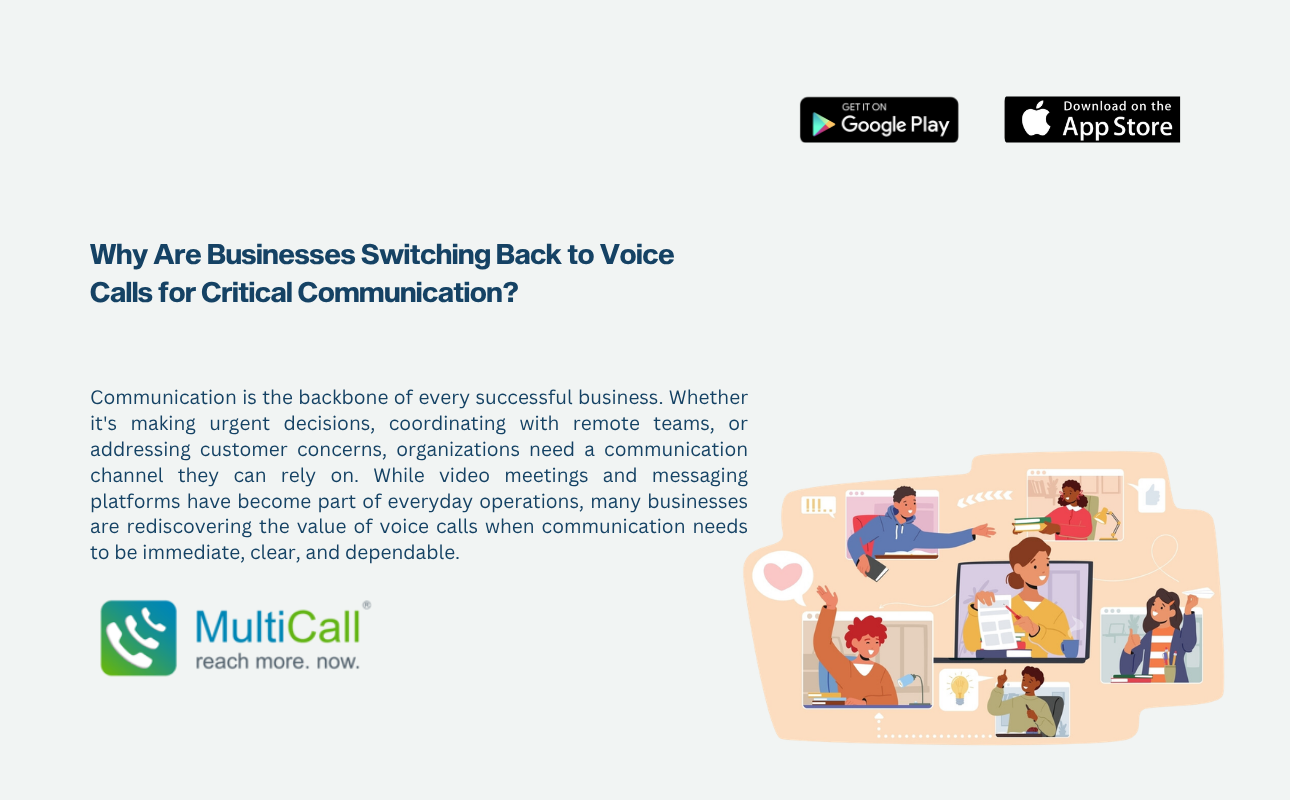
Why Are Businesses Switching Back to Voice Calls for Critical Communication?
Communication is the backbone of every successful business. Whether it’s making urgent decisions, coordinating with remote teams, or addressing customer concerns, organizations need a communication channel they can rely on. While video meetings and messaging platforms have become part of everyday operations, many businesses are rediscovering the value of voice calls when communication needs to…